
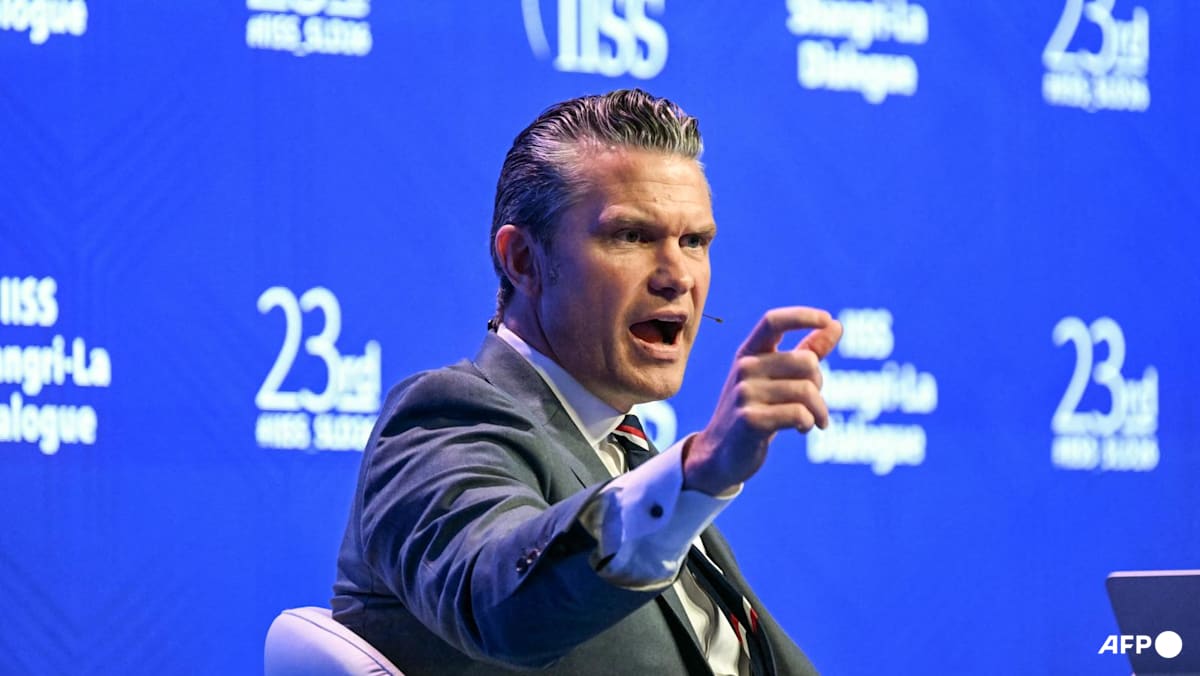
Unrealistic’ for Southeast Asia to meet Hegseth’s defence spending demand amid Sino-US rivalry
The Great Indo-Pacific Balancing Act: Will US Pressure Push ASEAN Toward Beijing?
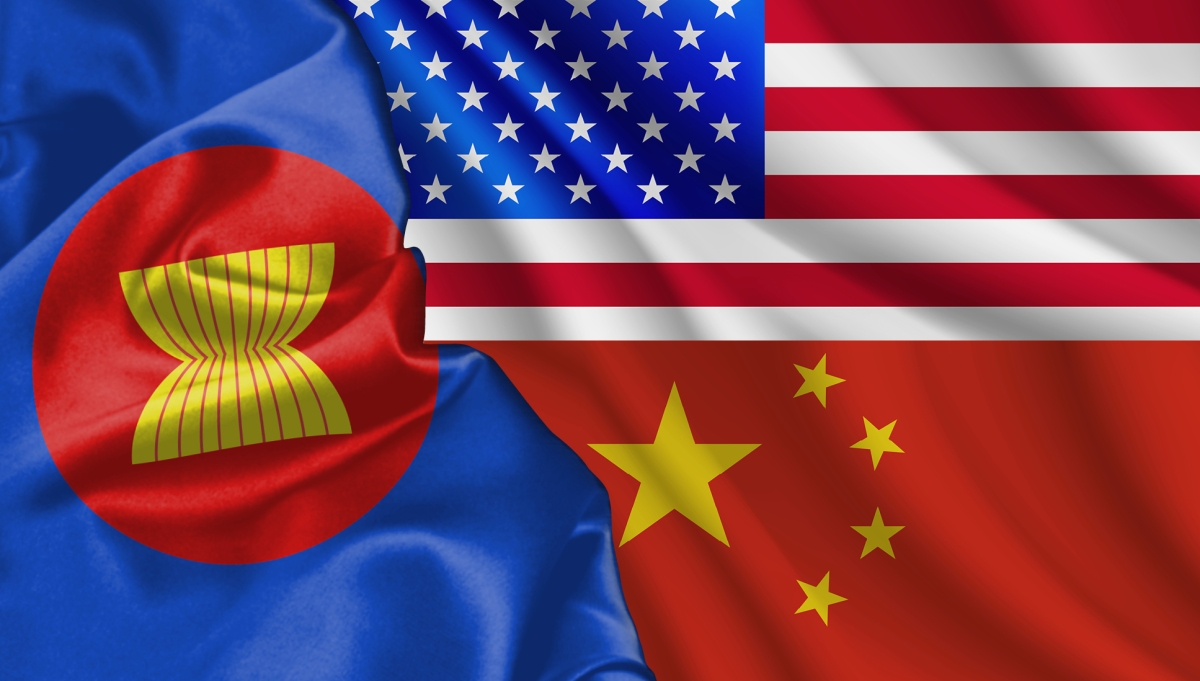
For decades, Southeast Asia has been the ultimate geopolitical chessboard. Today, the game has shifted from simple diplomacy to a high-stakes tug-of-war between Washington and Beijing. At the heart of this tension is a concept known as “burden-sharing”—the US expectation that its allies spend more on their own defense to counter Chinese influence.
But here is the reality: when the US uses a “stick” instead of a “carrot,” it risks creating a vacuum that China is more than happy to fill. For nations like Thailand and the Philippines, the pressure to increase military spending isn’t just a budget issue; it’s a diplomatic minefield.
The Danger of Punitive Diplomacy
Washington’s current strategy often leans toward economic and trade pressures to coerce partners into aligning with its security goals. However, experts warn that Here’s counterproductive. When trade policies erode trust, the “goodwill” that sustains military alliances begins to evaporate.
Beijing has noticed this opening. While the US is often viewed as volatile—shifting policies with every election cycle—China presents itself as the “stable, predictable alternative.” By offering deeper economic integration and infrastructure projects through the Belt and Road Initiative (BRI), China isn’t just building roads; it’s building loyalty.
If the US continues to antagonize partners over defense budgets, it may find that its “allies” are merely partners of convenience, ready to pivot the moment the cost of alignment exceeds the benefit.
Leveraging the “Asset Game”: Minerals and Access
Southeast Asian nations are not passive players in this game. They possess critical leverage that prevents the US from simply “punishing” them into submission. The most potent of these assets are critical minerals and strategic geography.
Take Indonesia, for example. As the world’s largest nickel producer, Indonesia holds the keys to the global EV battery supply chain. By leveraging these critical minerals, Jakarta can negotiate from a position of strength, essentially trading resource access for diplomatic leniency.
Similarly, military access remains a prized commodity. The US needs bases and overflight rights to maintain force projection in the Pacific. If Washington pushes too hard on spending, it risks losing the very access it needs to keep China in check.
The Rise of the “Middle Power” Shield
To avoid being crushed between two superpowers, we are seeing a burgeoning trend: the pivot toward middle powers. Rather than choosing between the US and China, ASEAN states are deepening ties with nations like Japan, Australia, India, and Türkiye.
This “multi-alignment” strategy serves as a diplomatic shock absorber. By diversifying their security and economic portfolios, these countries reduce their vulnerability to coercion from either Washington or Beijing. [Internal Link: How India is expanding its Act East Policy]
This trend suggests a future where the Indo-Pacific is not a bipolar region, but a multipolar one. The goal for these smaller nations is simple: ensure that no single power has enough leverage to dictate their domestic or foreign policy.
The Battle for Hearts and Minds
Geopolitics isn’t just about missiles and minerals; it’s about perception. Currently, China is winning the public diplomacy war in several parts of Southeast Asia. While the US is often seen as a distant power imposing demands, China is viewed as a neighbour investing in growth.
Recent shifts in public opinion, exacerbated by US involvement in volatile global conflicts, have made Washington appear increasingly unpredictable. For a business owner in Bangkok or a politician in Jakarta, “predictability” is often more valuable than “democracy” or “security guarantees.”
Frequently Asked Questions (FAQ)
A: Burden-sharing refers to the US expectation that its allies contribute a larger share of the financial and military costs of collective defense, reducing the sole reliance on US resources.
Q: Why is Indonesia’s role so critical in the Indo-Pacific?
A: Indonesia possesses massive reserves of critical minerals (like nickel) and holds a strategic geographic position that is essential for maritime security and US military access in Asia.
Q: How do ASEAN countries avoid picking a side between the US and China?
A: They use “strategic hedging,” which involves maintaining security ties with the US while pursuing deep economic partnerships with China, and diversifying relations with middle powers like Japan and India.
Q: Could the US actually lose its influence in Southeast Asia?
A: While unlikely to disappear entirely, the US risks losing effective influence if it relies on punitive measures rather than collaborative diplomacy, potentially driving allies closer to China.
What do you think? Is the US doing enough to maintain its influence in Asia, or is the “burden-sharing” approach a strategic mistake? Let us know your thoughts in the comments below, or subscribe to our newsletter for more deep dives into global geopolitics.