

US and Iran Exchange Military Strikes Near Strait of Hormuz
The Evolution of Asymmetric Warfare: Drones and the New Frontline
The recent escalations in the Persian Gulf highlight a fundamental shift in modern conflict. We are no longer looking at traditional fleet-on-fleet engagements. Instead, the primary tools of coercion have become low-cost, high-impact autonomous systems.
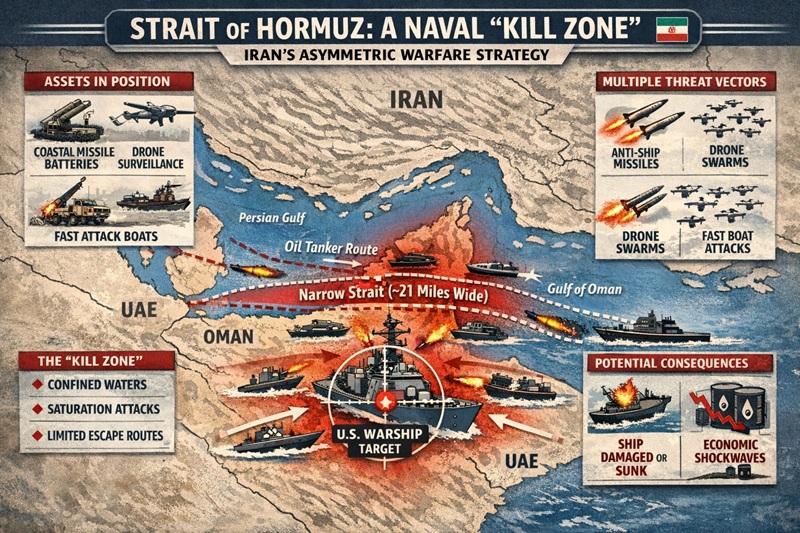
The use of drones to challenge naval superiority in the Strait of Hormuz represents a “democratization” of air power. When a ground control station can threaten a multi-billion dollar carrier strike group with a swarm of relatively cheap UAVs, the strategic calculus changes for every superpower involved.
Looking forward, we can expect a surge in “swarm intelligence” technology. Rather than single drone strikes, future trends point toward coordinated attacks designed to overwhelm Aegis combat systems and other missile defense shields. This creates a persistent state of “grey zone” warfare—conflict that stays just below the threshold of full-scale war but keeps global markets in a state of constant anxiety.
Chokepoint Diplomacy: The Strategic Leverage of the Strait
Control over maritime transit is the ultimate geopolitical lever in the Middle East. The tension between the U.S. Insistence on “freedom of navigation” and Iran’s claim to regional management is not just about water; it is about legitimacy and sovereignty.
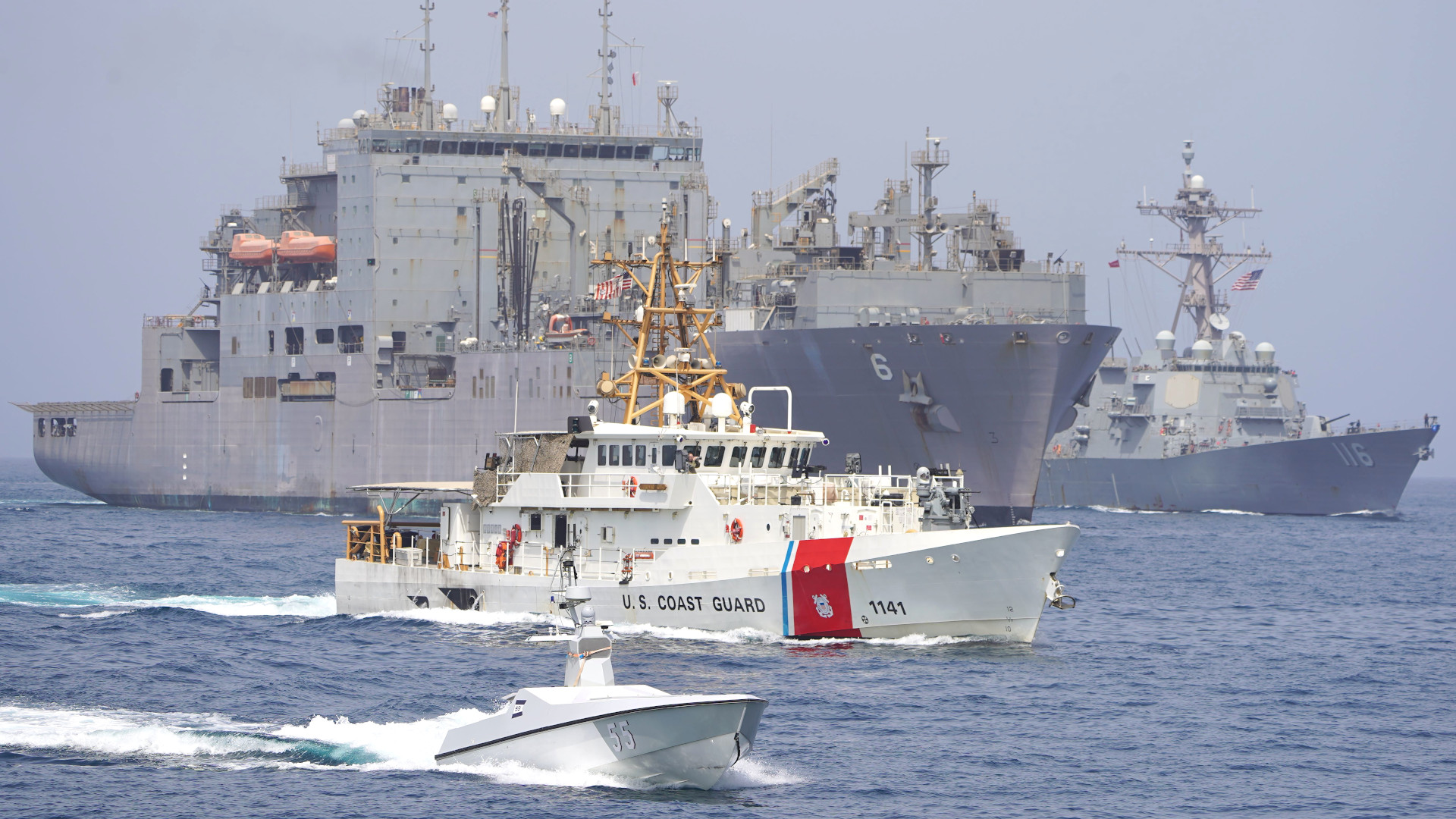
The trend of “warning shots” and the forced redirection of commercial vessels suggests a move toward a more aggressive form of maritime policing. By targeting non-military vessels, actors can signal strength to the international community without necessarily triggering a direct military response from a superpower.
We are likely to see an increase in “coalitions of the willing”—small, ad-hoc naval task forces designed to escort tankers. However, as seen with the involvement of nations like Oman and Kuwait, the role of regional mediators is becoming more precarious. These states are often caught between the need for U.S. Security guarantees and the reality of sharing a border with a determined regional power.
The “Maximum Pressure” Cycle
The rhetoric of negotiating “on the last verse” indicates a psychological approach to diplomacy. This strategy relies on creating a sense of inevitability and desperation in the opponent. However, history shows that when a regime feels its survival is at stake, it often pivots from diplomacy to “spoiler” tactics—creating chaos to force a better deal.
Experts suggest that the future of these negotiations will not be found in a single grand bargain, but in a series of incremental, tactical “de-escalation windows” that allow both sides to save face while reducing the immediate risk of miscalculation.
Regional Stability and the Domino Effect
The interception of missiles in Kuwait demonstrates that no single country in the Gulf is an island. The integration of missile defense systems across borders is becoming a necessity. We are seeing a trend toward a “regional shield” where data is shared in real-time to track incoming threats.
However, this interdependence also creates a vulnerability. A single misidentified target or a technical glitch in an automated defense system could trigger a chain reaction of retaliatory strikes. The risk of “accidental escalation” is currently at its highest point in decades.
For more on how regional alliances are shifting, see our analysis on Regional Alliances in the 21st Century or explore the latest reports from Reuters on Gulf security.
Frequently Asked Questions
Why is the Strait of Hormuz so critical to the global economy?
It is the only sea passage from the Persian Gulf to the open ocean. Because so much of the world’s oil flows through it, any disruption threatens global energy security and can cause immediate inflation in fuel and transport costs.

What is “Asymmetric Warfare” in this context?
It is a strategy where a smaller or less powerful force uses unconventional tactics—such as drones, cyberattacks, or naval mines—to offset the conventional military superiority of a larger power.
How does Oman fit into the conflict?
Oman traditionally acts as a diplomatic bridge between the West and Iran. However, as the U.S. Pushes for total freedom of navigation and Iran seeks regional control, Oman’s role as a neutral mediator is increasingly challenged.
Join the Conversation
Do you believe diplomatic pressure is more effective than military deterrence in the Persian Gulf? Or is a new security framework needed for the Strait of Hormuz?
Share your thoughts in the comments below or subscribe to our Global Intelligence newsletter for weekly deep-dives into geopolitical risk.