
US and Iran Near Deal to End War and Reopen Strait of Hormuz
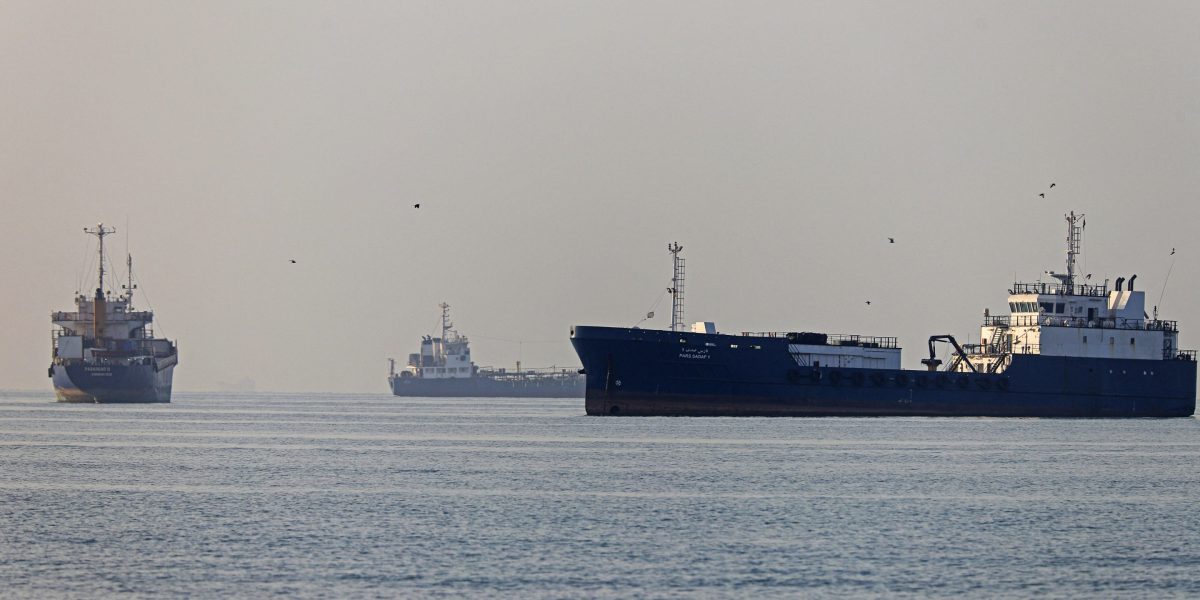
The United States and Iran are nearing an agreement to end the war and reopen the Strait of Hormuz, according to reports on the diplomatic progress. Pakistan Prime Minister Shehbaz Sharif stated Saturday that a deal is closer than “ever before” and could be finalized within 24 hours, with Pakistan preparing for an electronic signing followed by technical talks next week.
This potential breakthrough follows three days of exchanges of fire between Iran, the U.S., and Israel. U.S. Central Command reported late Friday via social media that it intercepted several Iranian attack drones targeting commercial ships in the Strait of Hormuz.
The conflict, initiated by the U.S. and Israel on Feb. 28, has disrupted oil and natural gas shipments from the Persian Gulf. While a fragile ceasefire has existed since April 7, global energy supplies remained crimped, raising fuel and food prices.
How will the nuclear program be handled?
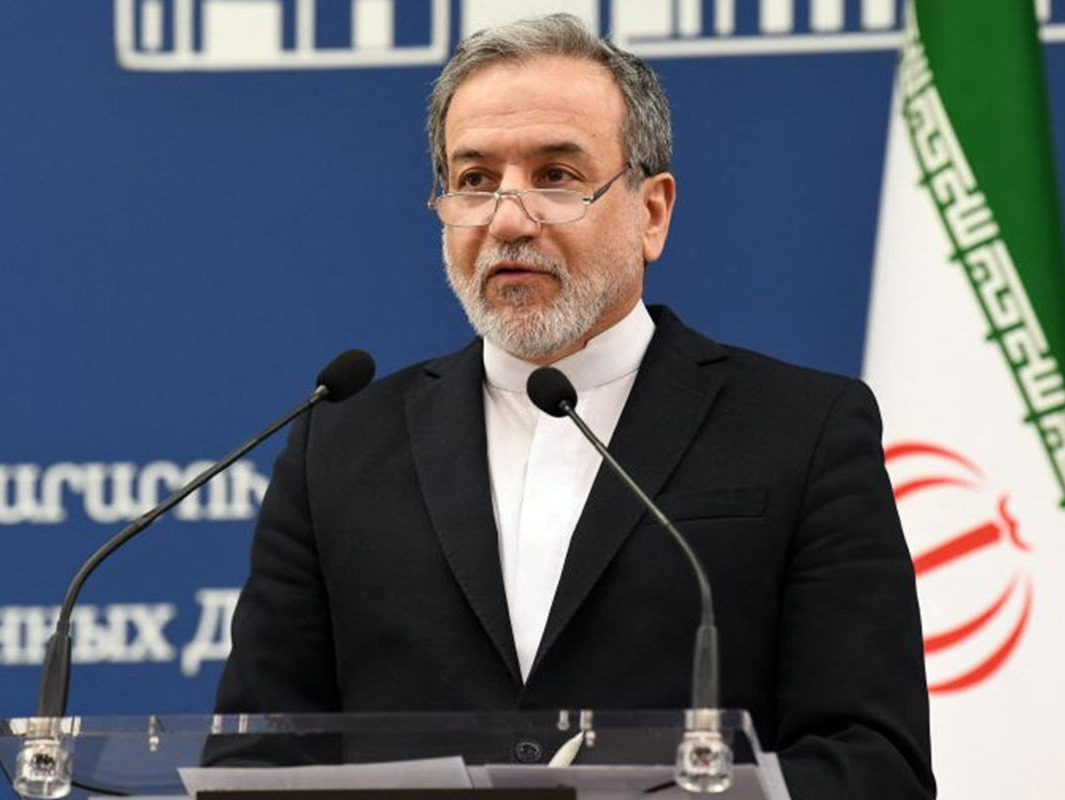
Iranian Foreign Minister Abbas Araghchi said Friday that terms regarding Iran’s nuclear program would be finalized within 60 days of the initial signing. Araghchi noted that parties may decide to extend this period.
A senior U.S. administration official, speaking on condition of anonymity, said the agreement would start the process of removing or destroying Tehran’s highly enriched uranium. This uranium is believed to be located under three nuclear sites hit by American strikes last year.
The U.S. and Israel have previously cited fears of an atomic weapon as a primary reason for the war, while Tehran maintains its nuclear efforts are for peaceful purposes.
What are the conditions for reopening the Strait of Hormuz?
The emerging agreement includes provisions to reopen the vital shipping lane, according to the senior U.S. official. However, disputes remain over payment for transit.

Foreign Minister Araghchi stated Iran seeks a deal allowing Tehran to charge ships “for services rendered” during transit. The U.S. and other nations have stated that Iran’s current toll system violates international law.
Will Iran receive sanctions relief?
Three regional officials, speaking anonymously, said the deal is expected to include the release of frozen Iranian assets and the phased lifting of sanctions. These officials expect a signing ceremony in the coming days once Washington and Tehran approve the text.
What happens next with Israel and Lebanon?
The status of Lebanon remains a point of contention. Iran has insisted that any deal must include a ceasefire in Lebanon, where Israel is fighting the proxy militia Hezbollah.
Israeli Defense Minister Israel Katz warned Friday that Israel may still act independently toward Iran. Katz stated Israel will not withdraw from occupied zones in Gaza, Syria, and Lebanon, nor from northern refugee camps in the Israeli-occupied West Bank.
Fighting in southern Lebanon continued as of Saturday.
Frequently Asked Questions
When is the deal expected to be signed?
Prime Minister Shehbaz Sharif stated Saturday that the deal is expected to be finalized within 24 hours.
What is the timeline for resolving nuclear disputes?
According to Foreign Minister Abbas Araghchi, terms for the nuclear program will be finalized within 60 days after the initial agreement is signed.
Will Israel pull out of Lebanon or Gaza?
No. Defense Minister Israel Katz stated Friday that Israel would not pull out of the zones it is occupying in Lebanon, Syria, and Gaza.
Do you believe a phased lifting of sanctions is sufficient to ensure long-term stability in the Strait of Hormuz?