
US and Iran Reach Preliminary Agreement to End Hostilities and Lift Sanctions
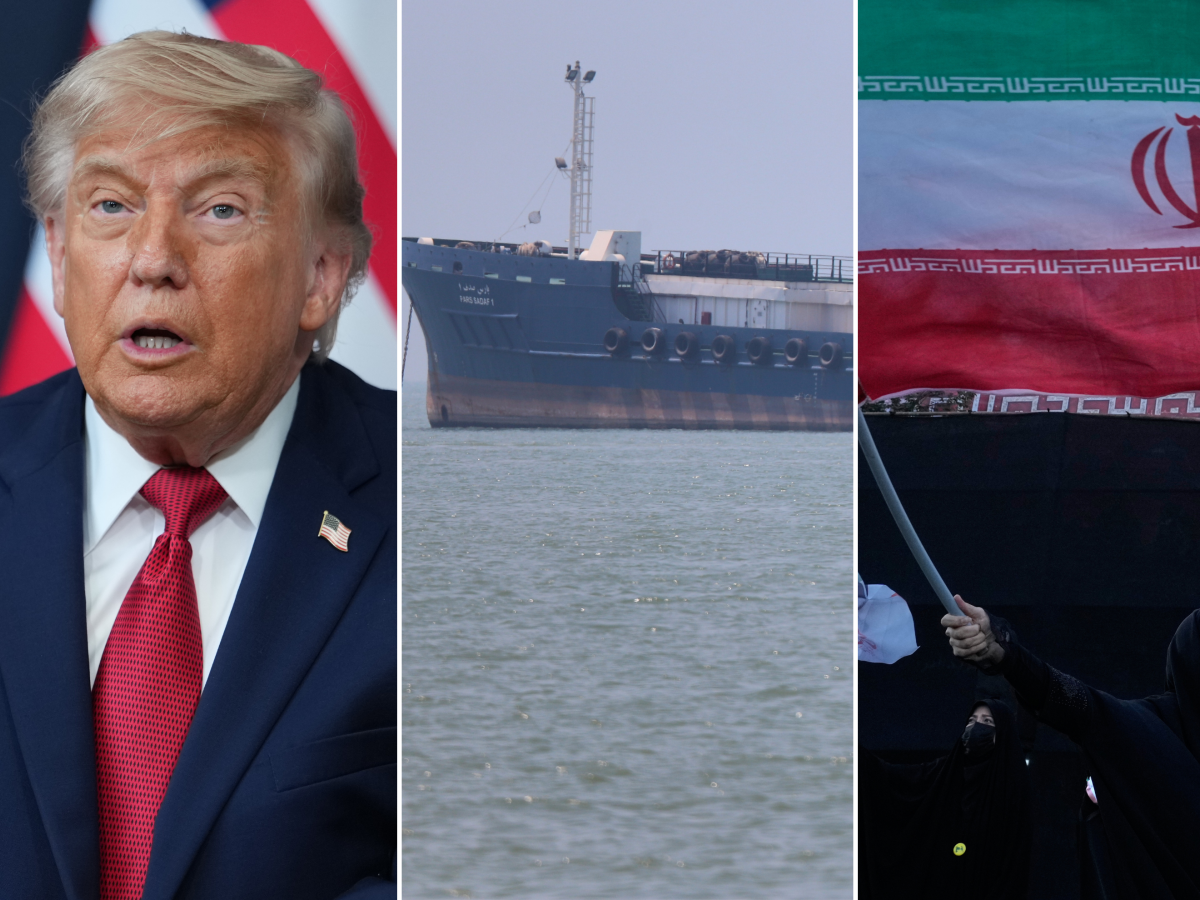
The United States and Iran have reached a preliminary agreement to cease all military operations, including in Lebanon, according to a leaked Memorandum of Understanding (MOU). The document outlines a 60-day window to negotiate a final deal, featuring a proposed $300 billion reconstruction fund and the total removal of U.S. sanctions, according to the text released by U.S. authorities.
What are the terms of the U.S.-Iran memorandum?
The “Islamabad Memorandum of Understanding” mandates an immediate and permanent end to military operations on all fronts. Under the terms, the U.S. will begin removing the naval blockade within 30 days and withdraw forces from near Iran within 30 days of a final agreement, according to the document.

The U.S. commits to a reconstruction and economic development plan for Iran with an allocation of at least $300 billion. Additionally, Washington will lift all primary and secondary sanctions, as well as UN and IAEA resolutions, based on a mutually agreed schedule.
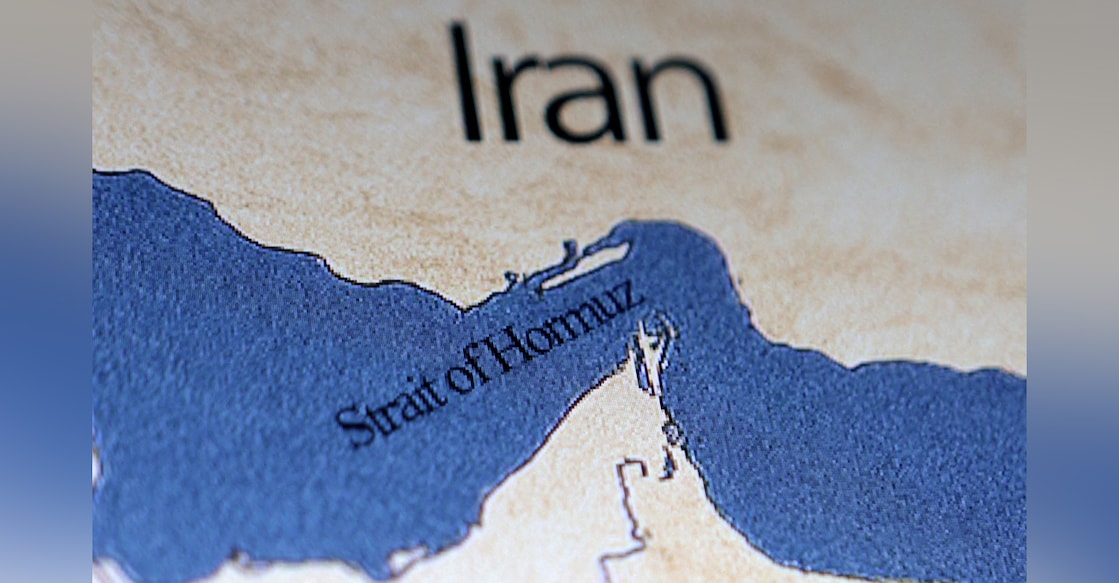
In exchange, Iran commits to never produce nuclear weapons and will ensure the safe, free transit of commercial ships through the Strait of Hormuz for 60 days. The MOU also allows Iran to export crude oil and petroleum products immediately upon signing, provided the U.S. Treasury issues the necessary waivers.
Who will sign the agreement and when?
A formal signing is scheduled for Friday in Switzerland. Delegations will be led by U.S. Vice President JD Vance and Iranian Parliament Speaker Mohammad-Bagher Ghalibaf, according to sources cited by Axios.
However, alternative arrangements may occur. Axios reports a mediator diplomat and another source stated the MOU could be signed electronically as early as today, which would immediately trigger provisions regarding the Strait of Hormuz. Iranian Foreign Ministry spokesperson Esmaeil Baqaei added that Tehran is considering a signing ceremony between President Donald Trump and President Masoud Pezeshkian.
Why are there conflicting reports on the text?
Bloomberg published a full 14-point version of the agreement, but sources close to the Iranian negotiating team told the Tasnim agency that the Bloomberg text contains “numerous inaccuracies and omissions.” Specifically, Tehran claims the sections on Article 1 and the Strait of Hormuz are “specifically inaccurate.”
U.S. sources told CNN the document’s language is “deliberately vague” to create a favorable environment for technical talks and allow Tehran to present the deal favorably to its domestic public. These sources noted the text does not reflect crucial commitments made by Iran in confidential channels.
How has President Trump responded to the deal?
President Donald Trump warned during a meeting with Egyptian President Abdel Fatah Al-Sisi at the G7 summit in Evian that he would “start dropping bombs” if Iran does not “behave.” He described the MOU as a protocol of agreement rather than a final text.
Trump explicitly contradicted the MOU’s financial terms, stating “we will not invest even 10 cents” in Iran. He also told reporters in Paris that the 60-day negotiation period is not a “mandatory deadline” for reaching a final agreement.
What is the Iranian government’s position?
Mohammad-Bagher Ghalibaf told state television that Iran “won the war” against the U.S. and Israel, claiming they prevented the U.S. and Israel from achieving nine original objectives. Ghalibaf stated he has “not the slightest trust” in JD Vance.
Despite this rhetoric, the Iranian government continues to coordinate the Geneva meeting. The final agreement, if reached, is intended to be ratified via a binding UN Security Council resolution.
What may happen next?
If the MOU is signed, the parties could enter a 60-day window to finalize the terms of the reconstruction fund and the sanctions timeline. A possible next step involves the U.S. Treasury releasing waivers for Iranian oil exports.
However, the process may face delays if the parties cannot reconcile the “inaccuracies” reported by Tasnim or if President Trump decides the Iranian behavior does not meet his standards, which could potentially lead to a return to military action.
Frequently Asked Questions
What is the purpose of the $300 billion fund?
According to the MOU, the fund is intended for the reconstruction and economic development of the Islamic Republic of Iran, to be developed with regional partners.
When will the U.S. withdraw its forces?
The U.S. commits to withdrawing its forces from the vicinity of Iran within 30 days after the conclusion of the final agreement.
Will Iran be allowed to sell oil immediately?
Yes, according to the MOU, the U.S. Treasury will issue waivers for the export of crude oil, petroleum products, and related services immediately after the MOU is signed and until sanctions are fully revoked.
Do you believe a 60-day window is sufficient to resolve decades of diplomatic tension between the U.S. and Iran?