
US-Iran Deal Faces Backlash Amid Israeli Betrayal and Internal Tensions
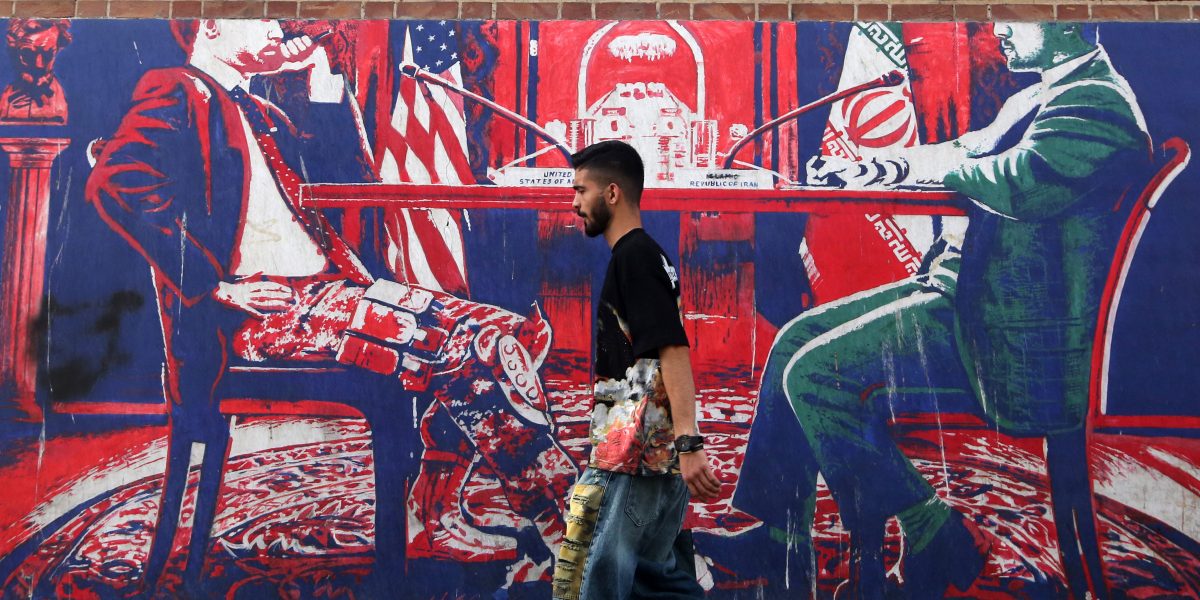
The United States and Iran signed a memorandum of understanding on June 15, 2026, granting the Islamic Republic total sanctions relief and the unfreezing of billions of dollars in foreign funds. While the Trump administration calls the deal an “unconditional surrender” by Iran, the agreement faces sharp criticism from U.S. lawmakers, Israeli officials, and Iranian hardliners.
What are the terms of the U.S.-Iran memorandum of understanding?
The agreement provides extraordinary concessions to Iran, including the total relief of sanctions and the release of billions of dollars held abroad. These stipulations were previously dismissed by President Donald Trump as “not acceptable” and described by other American politicians as a “nightmare for Israel.”
The Trump administration has framed the deal as a total achievement of U.S. goals. However, Texas Sen. Ted Cruz and Fox News host Mark Levin have admonished the president, claiming he capitulated to Iran by doing the “unthinkable.”
How is Israel responding to the agreement?
Israeli officials and citizens largely view the deal as an incomprehensible betrayal by the U.S. and a failure by Prime Minister Benjamin Netanyahu. According to provided data, only 11 percent of Israelis believe their country won the war against Iran.
A significant 71 percent of Israelis do not expect President Trump to protect Israeli interests in future negotiations. One Likud member of the Knesset highlighted this frustration by replacing a “Make America Great Again” hat with one reading “Total Victory,” a phrase Netanyahu has used to justify operations in the Gaza Strip.
Why is there opposition to the deal within Iran?
Despite triumphant headlines in the IRGC-aligned newspaper Javan, many Iranians remain cautious due to previous diplomatic failures. Chief negotiator Mohammad Bagher Ghalibaf claimed negotiation achieved more than military action could, but internal dissent is growing.

The Front of Islamic Revolution Stability, a large conservative faction in Parliament, has openly criticized Foreign Minister Abbas Araghchi and Ghalibaf. In late May, the state television program “Soraya” was suspended after criticism of the diplomatic efforts. Host Mohsen Maqsoodi and commentator Ali Abdi later faced cancellation after criticizing the state for not striking Israel.
Protesters in Tehran’s Enghelab Square have chanted “Death to the compromiser” following an interview where Araghchi admitted Iran would have to make concessions. In Parliament, representative Mahmoud Nabavian warned that the deal lacks clarity on the exit of American forces and the timeline for lifting sanctions.
What is the role of Supreme Leader Mojtaba Khamenei?
Supreme Leader Mojtaba Khamenei approved the deal but stated he “had a different view” than the negotiators. He acceded to President Masoud Pezeshkian’s wishes on the condition that Iran rejects “excessive demands” from the U.S.
This public skepticism differs from the approach of his father, Ali Khamenei, who waited years to publicly criticize the JCPOA. An Israeli analyst cited by Axios speculated that Mojtaba may be positioning the Iranian president to take the blame if the deal fails.
Why is the ceasefire in Lebanon failing?
The first clause of the MOU requires an immediate and permanent end to the war in Lebanon, but this has not materialized. Israel argues it must remain in southern Lebanon for national security reasons.
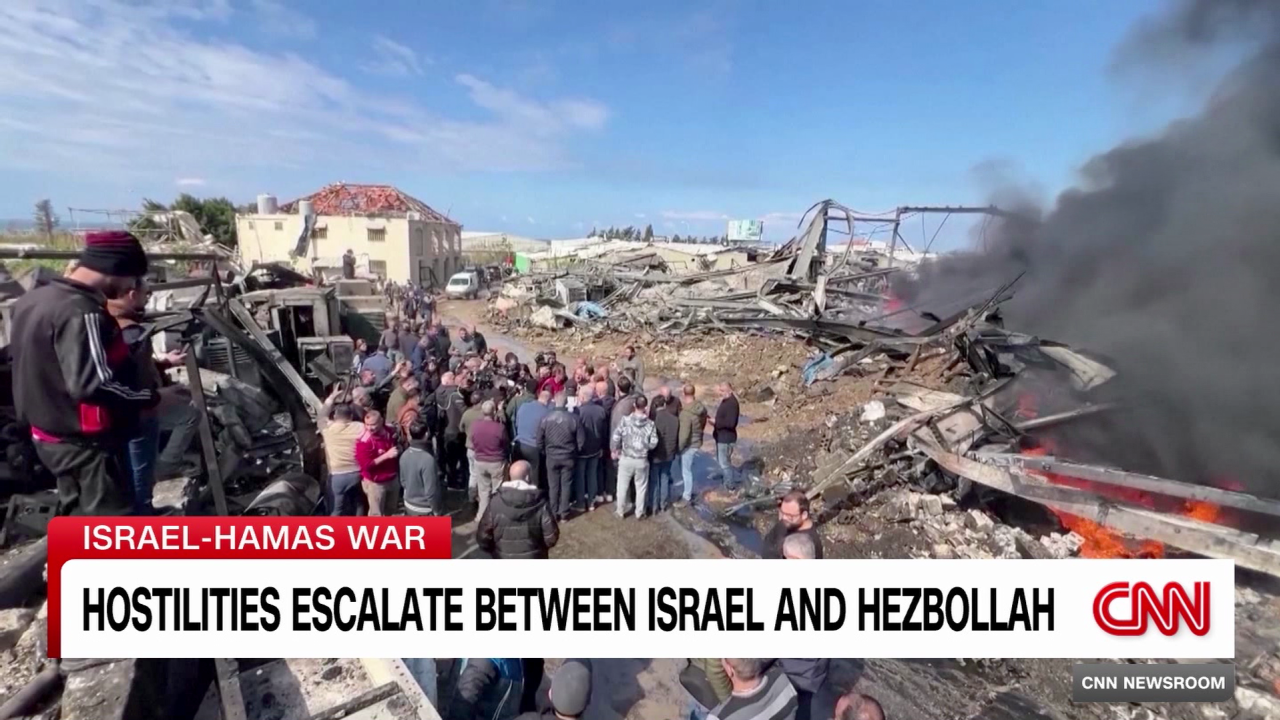
A ceasefire brokered between Hezbollah and Israel on Friday collapsed within minutes as Israel continued bombing the south. Prime Minister Netanyahu and Defense Minister Israel Katz ordered the military to stop firing on Saturday, but they explicitly refused to withdraw from occupied positions.
In response to Israel’s refusal to end the war, Iran closed the Strait of Hormuz on Saturday. National Security Minister Itamar Ben-Gvir rejected the diplomatic track entirely, stating that “all of Lebanon must burn.”
What happens next for the U.S. and Iran?
Iranian negotiators are traveling to Switzerland to meet with Vice President JD Vance. They are not seeking a final deal but are instead demanding that the U.S. comply with the existing terms of the memorandum.
The U.S. may seek further concessions before releasing $300 billion in reconstruction funds. Vice President Vance stated these funds will not be released unless Iran stops funding organizations like Hezbollah.
It is possible the U.S. will refuse demands for a total Israeli withdrawal from Lebanon. This could lead to further instability, as the current MOU contains no mentions of Iran’s ballistic missile program or its support for allied organizations abroad.
Frequently Asked Questions
When was the memorandum of understanding signed?
The agreement was signed remotely on June 15, 2026.
What specific concessions does Iran receive in the deal?
The deal provides total sanctions relief and the unfreezing of billions of dollars of funds held abroad.
Why did Iran close the Strait of Hormuz?
Iran closed the Strait on Saturday in response to Israel’s refusal to stop the war in Lebanon.
Do you believe diplomatic concessions can lead to a permanent ceasefire in the region?