
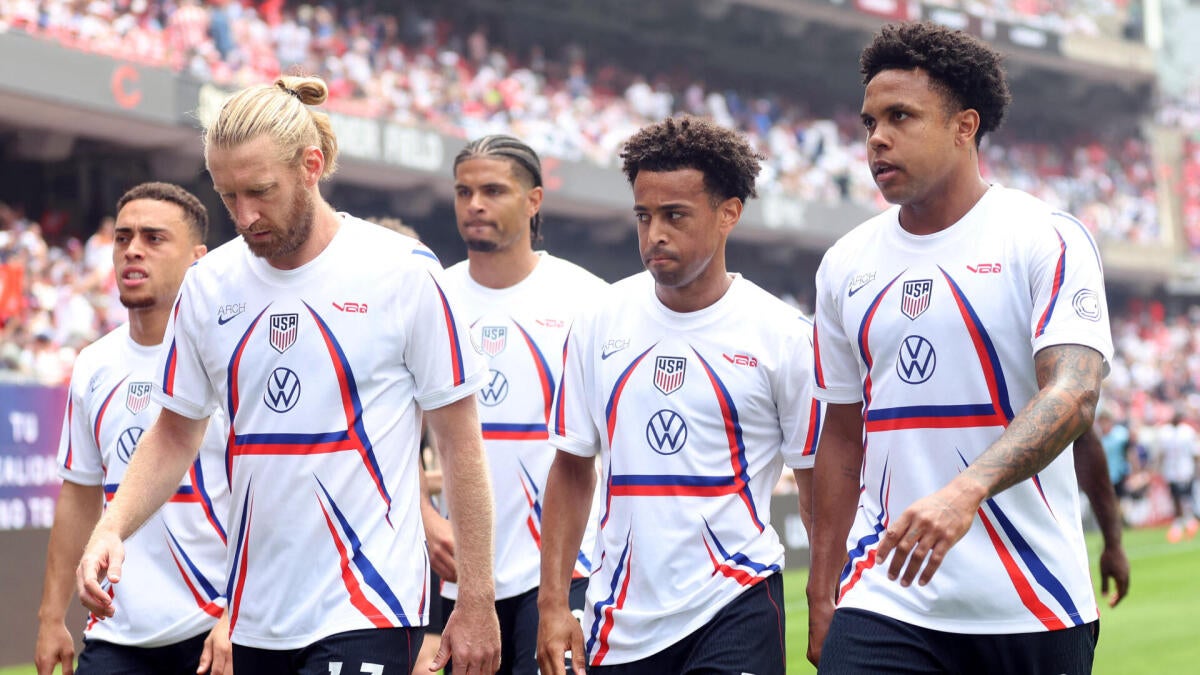
USMNT 2026 World Cup Preview: Odds, Roster, and Predictions
The United States Men’s National Team enters the 2026 World Cup under the leadership of manager Mauricio Pochettino, aiming to move past the disappointment of a 2024 Copa America exit. As co-hosts, the Americans are looking to leverage their home-field advantage and a refined 4-2-3-1 tactical setup to improve upon a history of Round of 16 appearances. With key veterans like Tyler Adams and Weston McKennie anchoring the midfield, the squad faces the challenge of balancing aggressive, attacking soccer with a defensive unit that has shown vulnerability in recent international fixtures.
Did You Know? The United States’ best performance in modern World Cup history remains a quarterfinal appearance in 2002, a milestone the current roster hopes to reach or exceed as they compete on home soil.
How the managerial change alters the team’s identity
Mauricio Pochettino has introduced a significant tactical shift, moving away from the possession-heavy, grinding style favored by former manager Gregg Berhalter. The current 4-2-3-1 formation emphasizes creativity in the final third and utilizes the speed of players like Sergiño Dest, who has transitioned into an attacking winger role. While this approach creates more space for offensive threats like Christian Pulisic and Folarin Balogun, it has also exposed the back line to counter-attacks, leading to 11 goals conceded in the four matches leading up to the tournament.
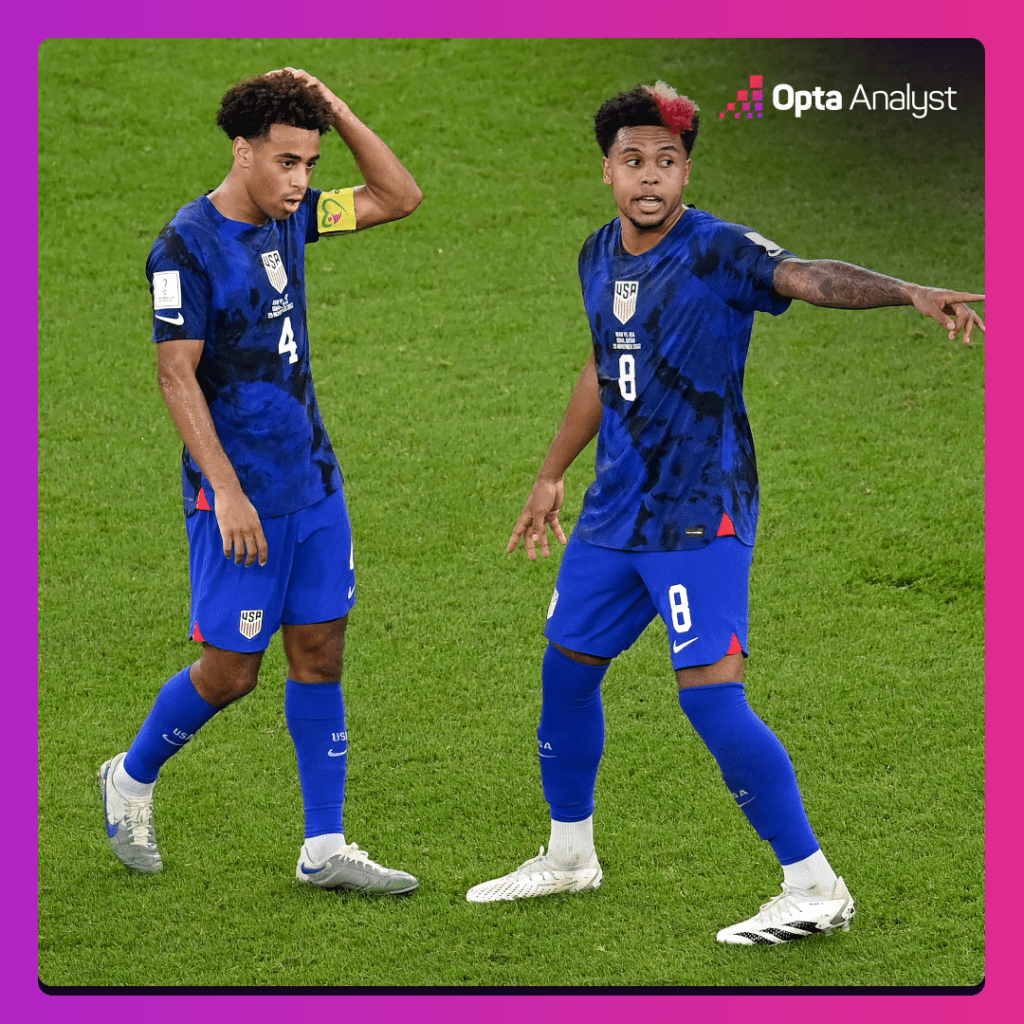
The role of the midfield in a high-stakes tournament
The success of the U.S. strategy likely rests on the partnership between Tyler Adams and Weston McKennie. Adams serves as the primary defensive anchor, responsible for winning 50/50 balls and providing a safety net for a back line that has yet to solidify its central pairing. Meanwhile, McKennie operates in a “rover” role, granted the freedom to join the attack or track back defensively based on his reading of the game. Analysts suggest that if these two veterans can effectively manage the transition between defense and offense, it could provide the stability required to mask current defensive frailties.

Expert Insight: The transition to Pochettino’s more expansive style represents a high-risk, high-reward strategy. By prioritizing attacking soccer, the team risks being caught out of position, yet this shift is necessary to maximize the output of a talented core that previously struggled to produce consistent results under a more conservative tactical framework.
Path through the group stage and beyond
The U.S. is drawn into Group D alongside Paraguay, Australia, and Turkey. While Turkey presents the most formidable challenge with an 8-1-1 record in their last 10 matches, the Americans are favored to win the group. Securing the top spot would likely lead to a Round of 32 matchup against a third-place finisher, followed by a potential clash with a heavyweight like Belgium in the Round of 16. The team’s ability to advance further remains uncertain, as the current defensive form suggests that any lapse in midfield discipline could result in an early exit against elite international competition.
Frequently Asked Questions
What is the primary tactical change under Mauricio Pochettino?
Pochettino has implemented a 4-2-3-1 formation that mandates attacking soccer, focusing on creativity in the final third and utilizing player speed, a departure from the possession-dominant style used under Gregg Berhalter.

Who are the key players expected to impact the USMNT’s performance?
Tyler Adams is expected to hold down the midfield defensively, while Weston McKennie is tasked with a “rover” role to bridge the gap between defense and attack. Forward options include Christian Pulisic and Folarin Balogun.
What are the USMNT’s prospects for the 2026 World Cup?
While the team is favored to win Group D and reach the Round of 16, expectations for a deep run remain cautious. The squad faces defensive concerns, and they are likely to encounter top-tier opponents in the knockout stages, such as Belgium or Argentina.
How far do you believe the USMNT can progress in this tournament given the current defensive challenges?