
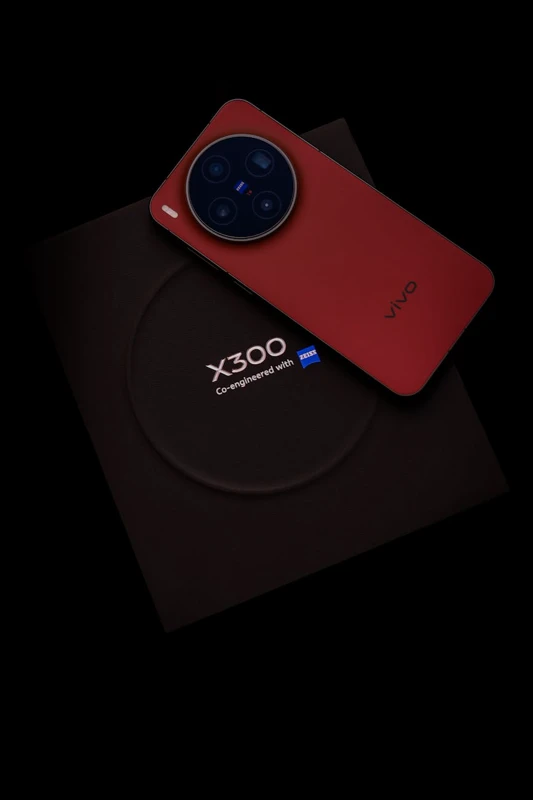
Vivo Y600 Turbo Launched: New Massive Battery Smartphone with Powerful Specs
The Death of the Power Bank: How Ultra-High Capacity Batteries are Redefining Mobile Life
For years, the smartphone industry has been locked in a stalemate. We wanted bigger batteries, but we refused to carry “bricks” in our pockets. The recent emergence of devices boasting nearly 10,000 mAh batteries—while maintaining a slim profile—signals a fundamental shift in mobile engineering.
We are moving away from the era of “battery anxiety” and entering an age of energy abundance. This isn’t just about adding more cells; it’s about a revolution in materials science, specifically the transition toward silicon-carbon anodes.
The Rise of Silicon-Carbon Anodes
The ability to fit a massive battery into a chassis under 9mm is the “holy grail” of hardware design. By replacing graphite with silicon, batteries can hold significantly more lithium ions. This is why we are seeing a surge in “Turbo” and “Pro” models that can last three to four days on a single charge.
Real-world data suggests that as energy density increases, the dependency on external power banks will plummet. We are seeing a trend where the smartphone itself becomes the hub, utilizing reverse wired charging to power wearables, earbuds, and even other phones.
Beyond Capacity: The Quest for Battery Longevity
A large battery is useless if it degrades after a year. The new industry benchmark is shifting from capacity to cycle life. We are now seeing promises of 80% health retention even after 1,200 to 1,600 charging cycles.
This shift is critical for the “evergreen” smartphone movement. When batteries last longer, users hold onto their devices for 4-5 years instead of 2, reducing electronic waste and increasing the long-term value of the hardware.
The “Visual War”: Extreme Brightness and Eye Wellness
While batteries get the headlines, the display technology is undergoing a quiet revolution. We have moved past the 1,000-nit barrier. Modern flagship-tier screens are now hitting 5,000 nits of peak brightness.
This isn’t just a numbers game. High peak brightness is essential for HDR content and visibility under direct midday sunlight, making the screen feel like a piece of printed paper rather than a glowing panel.
Combatting Digital Eye Strain
As screens get brighter and more vivid, the risk of eye fatigue increases. This has led to the implementation of high-frequency PWM (Pulse Width Modulation) dimming. By flickering the screen at rates like 4,320 Hz—far beyond what the human eye can perceive—manufacturers are reducing the “strobe effect” that causes headaches for sensitive users.
For those interested in more cutting-edge screen innovations, the trend is moving toward ” LTPO” panels that can scale from 1Hz to 120Hz seamlessly to save power.
Durability as a Standard, Not a Luxury
In the past, IP68 water and dust resistance were reserved for the most expensive flagships. Today, that boundary is dissolving. We are seeing the introduction of IP69 ratings in mid-range devices.
The difference is significant: while IP68 protects against immersion in water, IP69 protects against high-pressure, high-temperature water jets. This suggests a future where smartphones are designed for extreme environments—construction sites, outdoor adventures, and industrial use—without requiring a bulky “rugged” case.
The Efficiency of 4nm Architecture
None of these advancements would matter if the processor drained the battery in hours. The move toward 4nm and 3nm fabrication processes (like those seen in the latest Snapdragon and Dimensity chips) allows for higher performance with lower thermal output.
This efficiency creates a positive feedback loop: more efficient chips mean less heat, which in turn protects the battery from thermal degradation, further extending the device’s overall lifespan.
Frequently Asked Questions
Q: Does a 10,000 mAh battery make a phone heavy?
A: Not necessarily. Thanks to silicon-carbon technology, energy density is higher, allowing for massive capacity without the traditional weight and bulk of older battery tech.
Q: What is PWM dimming and why does it matter?
A: PWM dimming controls screen brightness by flickering the backlight. Higher frequencies (like 4,320 Hz) make this flicker invisible, significantly reducing eye strain and migraines.
Q: Is IP69 better than IP68?
A: Yes. IP68 covers submersion in water, whereas IP69 adds protection against high-pressure steam and hot water jets, offering superior overall durability.
Q: How does reverse charging work?
A: It allows your phone to act as a power bank, sending energy from its internal battery to another device via a USB-C cable.
What do you value more in a phone: a massive battery or a slim design?
The industry is finally giving us both, but we want to hear your thoughts. Drop a comment below or share this article with someone who is always hunting for a charger!
Explore more: The Ultimate 2026 Smartphone Buying Guide