
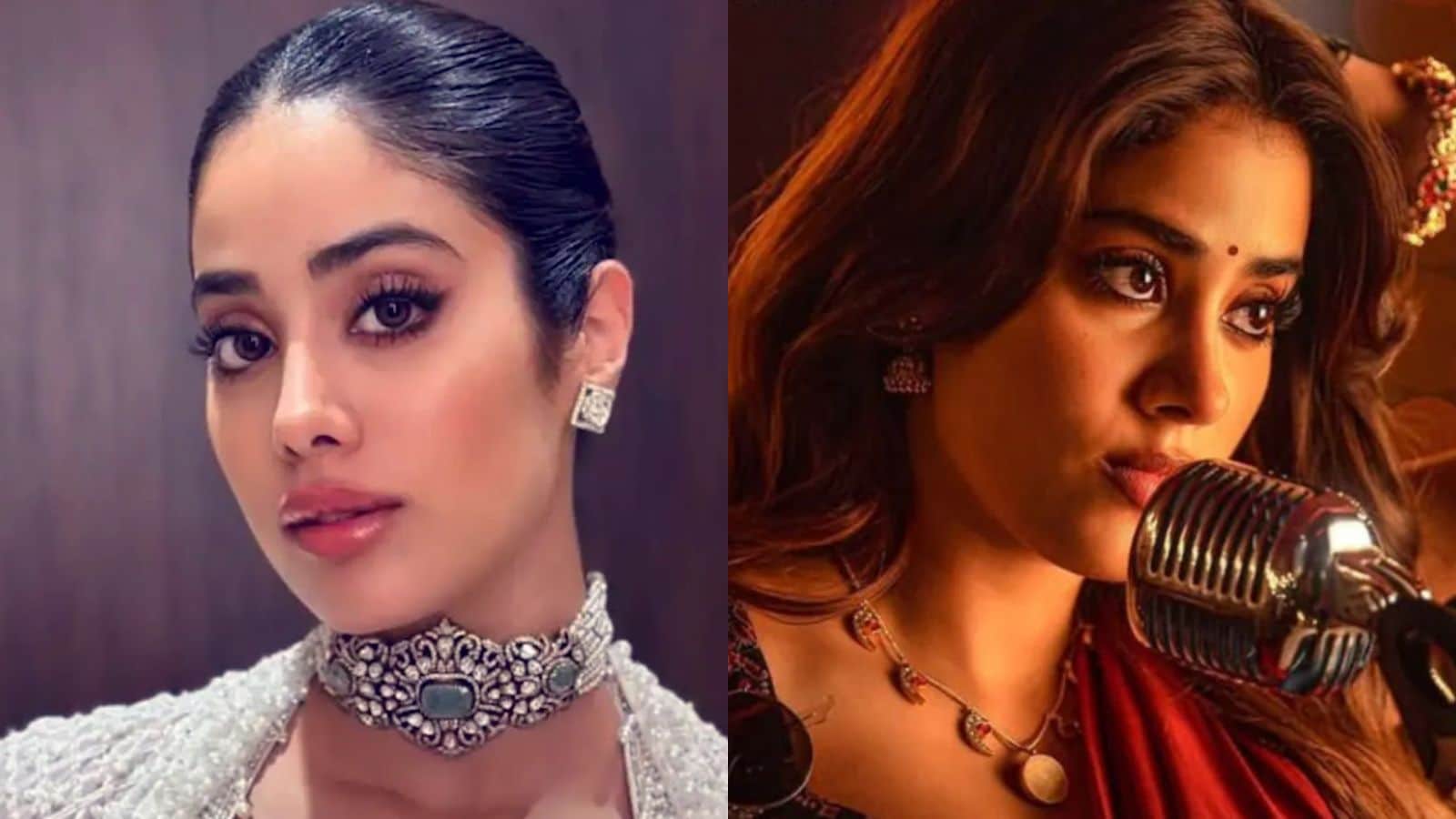
When Peddi Actress Janhvi Kapoor Said ‘Sexualising Without Consent Bothers Me
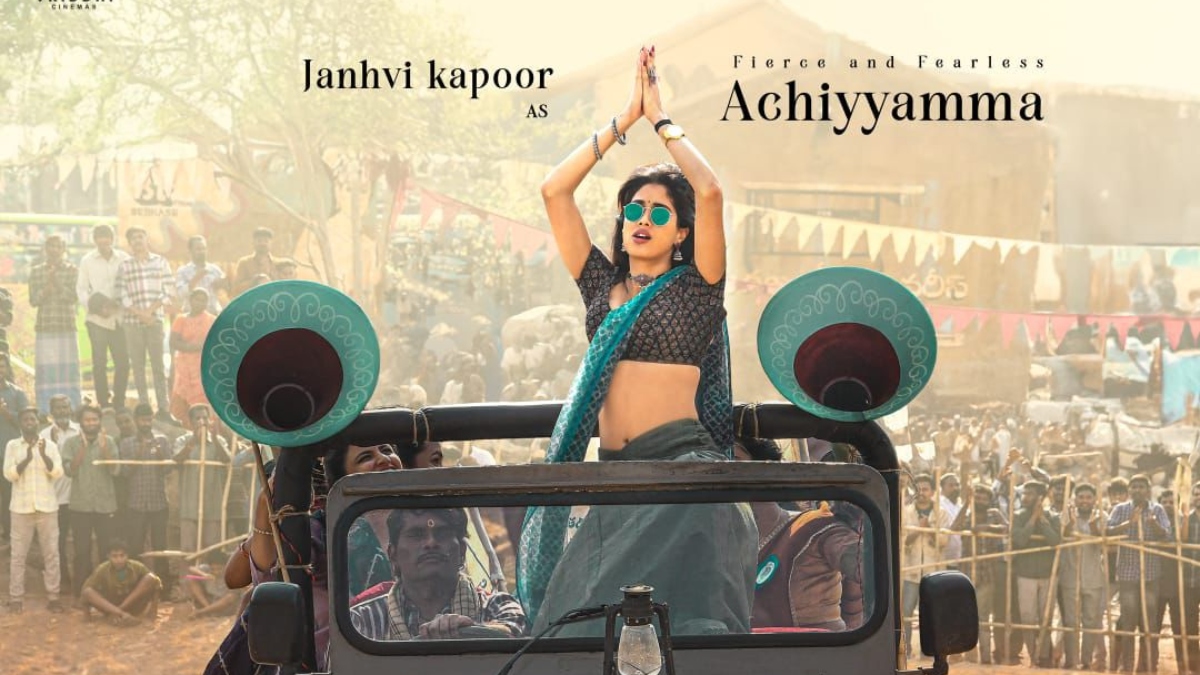
Janhvi Kapoor has found herself at the centre of a public debate following the June 4 release of her latest film, Peddi. While the sports drama features a prominent ensemble cast including Ram Charan, Vijay Sethupathi, Boman Irani, Divyenndu and Jagapathi Babu, audience reception has been marred by criticism regarding the portrayal of Kapoor’s character, Achiyyamma. Viewers have taken to social media to label the depiction as “vulgar,” arguing that the role objectifies the actress and lacks narrative depth.
The backlash arrives against the backdrop of Kapoor’s own vocal stance on consent and the professional challenges of being a public figure. In a recent appearance on Raj Shamani’s podcast, Kapoor discussed the invasive nature of being sexualized without her approval, noting that she has even held private conversations with paparazzi to address how they capture and commodify images of women for engagement.
The Complexity of Consent and Professional Perception
Kapoor distinguishes between artistic choices and non-consensual objectification. She points to her work in the song “Bheegi Saree,” where she performed a sensual dance, as an example of an intentional artistic decision. However, she draws a firm line when photographers use slow motion, specific camera angles, or zooming techniques without her participation, describing these actions as a violation of her personal consent.
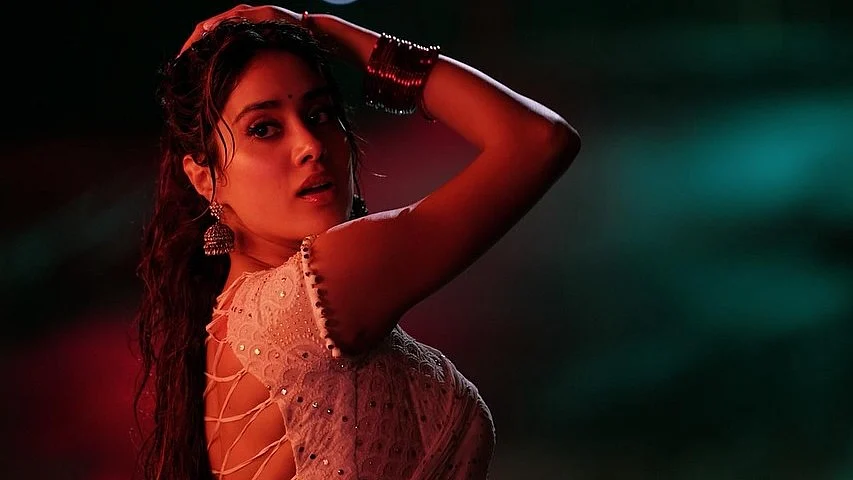
The actress admits that navigating these pressures is a delicate balance. She noted that she is still learning how to assert herself on set—such as challenging a Director of Photography (DOP) on uncomfortable camera placements—while maintaining a professional demeanor. “I’ll make my point clear somehow, but it’s important for me to come across as polite,” she explained.
Implications for a Career in Entertainment
The discourse surrounding Kapoor’s image carries tangible weight in her professional life. She expressed concern that frequent, non-consensual exposure can lead to a reductive public perception, which in turn influences the types of roles filmmakers offer her. There is a prevailing fear that if an actress is seen in revealing contexts too often, directors may view her as “overexposed” or lacking the substance required for certain roles.
Kapoor acknowledges that she is not yet at a stage in her career where she can ignore these industry perceptions entirely. She feels compelled to make strategic compromises to earn the credibility needed to eventually demand full creative autonomy over her image and roles.
Looking Ahead
As the criticism of Peddi continues to circulate, the situation may force a broader conversation within the industry regarding the treatment of female leads. This public pushback will embolden more actors to demand greater oversight of how their likeness is captured during promotional tours and film production. Future projects involving Kapoor may see increased scrutiny from both the actress and her team to ensure that character portrayals align with her personal standards for substance and consent.
Frequently Asked Questions
What is the primary criticism regarding Janhvi Kapoor’s role in Peddi?
Viewers have criticized the film for its portrayal of her character, Achiyyamma, arguing that the role lacks depth and objectifies her.
How does Janhvi Kapoor differentiate between being ‘sensual’ and being ‘objectified’?
Kapoor defines sensual work as an intentional artistic choice, such as her performance in “Bheegi Saree.” She defines objectification as the non-consensual act of capturing, editing, or zooming in on her body in ways she did not authorize.
Why does Kapoor feel she must ‘compromise’ on her image?
She believes that her current standing in the industry is influenced by public perception. She feels she must play it safe to earn the credibility and respect necessary to eventually gain the power to make her own choices without worrying about how she is perceived by audiences and filmmakers.
How do you think the industry should address the balance between artistic expression and the personal consent of its performers?