
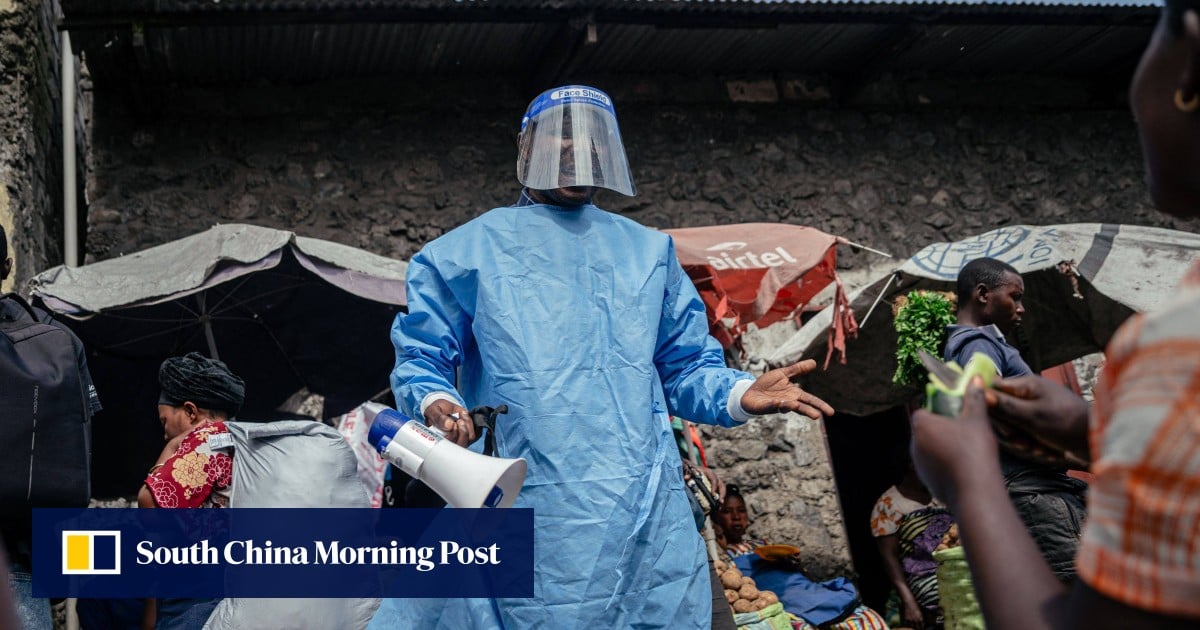
WHO chief ends DR Congo visit as group warns Ebola likely spread undetected
The World Health Organization (WHO) has intensified its engagement in the Democratic Republic of Congo following a critical assessment of the current Ebola outbreak. On Monday, WHO Director General Tedros Adhanom Ghebreyesus concluded a visit to the region, where he briefed President Felix Tshisekedi in Kinshasa on the ongoing response efforts and the urgent needs of the affected provinces.
The Challenge of Containment
Health officials have acknowledged that the response has been hindered by the virus’s period of undetected circulation, leaving authorities playing catch-up. While the Director General observed some positive indicators in Ituri province—including five certified recoveries—he emphasized that the situation remains precarious.
The primary obstacles identified include the need for expanded testing, increased treatment capacity, and the necessity of building greater trust between the public and health workers. The WHO has issued a call for heightened international support to bolster these efforts and curb the transmission of the disease.
Implications and Future Outlook
The warning from an aid agency that the outbreak may be significantly larger than official figures suggest highlights the volatility of the current situation. Should the community-led agenda and government-backed health system improvements fail to gain traction, the virus could continue to spread, further straining already limited resources.
Conversely, if international support successfully facilitates the necessary testing and treatment capacity, the response may finally move ahead of the virus. Analysts expect that the success of these measures will rely heavily on the ability to integrate public trust into the clinical response in Ituri and beyond.
Frequently Asked Questions
What is the current status of the Ebola outbreak in the Democratic Republic of Congo?
It is currently the third-largest outbreak on record. Health officials have noted that it persisted for weeks without detection, causing authorities to struggle to bring the situation under control.
What does the WHO believe is required to stop the spread of the virus?
The WHO emphasizes the need for strong government leadership, increased international support, and a strategy where the community owns the response agenda. There is an urgent need to strengthen health system capacity in affected areas, specifically regarding testing and treatment.
Are there any positive developments in the response?
Yes, WHO Director General Tedros Adhanom Ghebreyesus identified some encouraging signs during his visit to Ituri province, including the documentation of five certified recoveries from the virus.
What role do you believe community trust plays in the successful management of large-scale health crises?