
Why Dietitians Recommend Eating More Beans for Better Health
Beans provide a budget-friendly way to increase fiber and plant-based protein, yet most Americans fall short of the recommended 1.5 cups of legumes per week. According to a dietitian, incorporating these nutrient-dense staples can lower LDL cholesterol and reduce risks of type 2 diabetes and cardiovascular disease.
Why are most Americans missing their fiber goals?
Dietary Guidelines suggest adults eat about 1.5 cups of legumes weekly. This can be as simple as a half-cup serving three times a week, but most people still don’t meet this mark.

The gap is most evident in fiber intake. Nearly 9 out of 10 Americans fail to reach the recommended daily fiber—25 grams for women and 38 grams for men.
Beans serve as one of the richest sources of both soluble and insoluble fiber. This fiber acts like a “broom” for the gut, binding waste and helping the body excrete excess cholesterol and hormones.
How do beans improve heart and gut health?
Soluble fiber is a key component of beans. It dissolves in water to create a gel-like substance in the digestive tract, which slows sugar absorption and feeds beneficial gut bacteria.
This process helps lower LDL, often called “bad” cholesterol. For example, a half-cup of black beans provides roughly 7 to 8 grams of fiber.
Research indicates that diets high in fiber are linked to lower risks of colorectal cancer, type 2 diabetes, and cardiovascular disease.
What are the benefits of plant-based protein?
A half-cup cooked serving of beans offers between 7 and 9 grams of protein. This makes them a vital tool for vegans, vegetarians, or anyone cutting back on animal products.

Replacing animal proteins with legumes is associated with a lower risk of some cancers, heart disease, and type 2 diabetes. Unlike some animal proteins, plant-based versions don’t come with cholesterol or saturated fats.
Instead, bean protein is bundled with antioxidants and fiber. This combination supports long-term health goals while maintaining muscle and energy metabolism.
Which underrated nutrients are found in legumes?
Beans are more than just protein and fiber. They contain essential nutrients that many Americans lack, including B vitamins, iron, magnesium, and folate.
They are also rich in antioxidants and polyphenols. These compounds help the body combat inflammation and oxidative stress.
Potassium is another standout nutrient. It helps support healthy blood pressure by balancing sodium levels in the body.
How can you easily add more beans to your diet?
If you are worried about bloating, a dietitian suggests starting small. Try lentils or split peas first and increase your intake gradually while drinking plenty of water.
Common legumes to use include edamame, pinto beans, kidney beans, lentils, chickpeas, and black beans. Canned options are convenient; just rinse them or choose low-sodium versions to limit salt.
Easy integration methods include stirring beans into taco meat or pasta sauces to stretch protein. You can also blend them into white bean spreads, toss them into grain bowls, or eat roasted chickpeas as a snack.
What may happen if bean consumption increases?
If more Americans meet the 1.5 cup weekly legume recommendation, it could lead to a widespread increase in daily fiber intake. This may result in better digestive regularity and more stable blood sugar levels across the population.
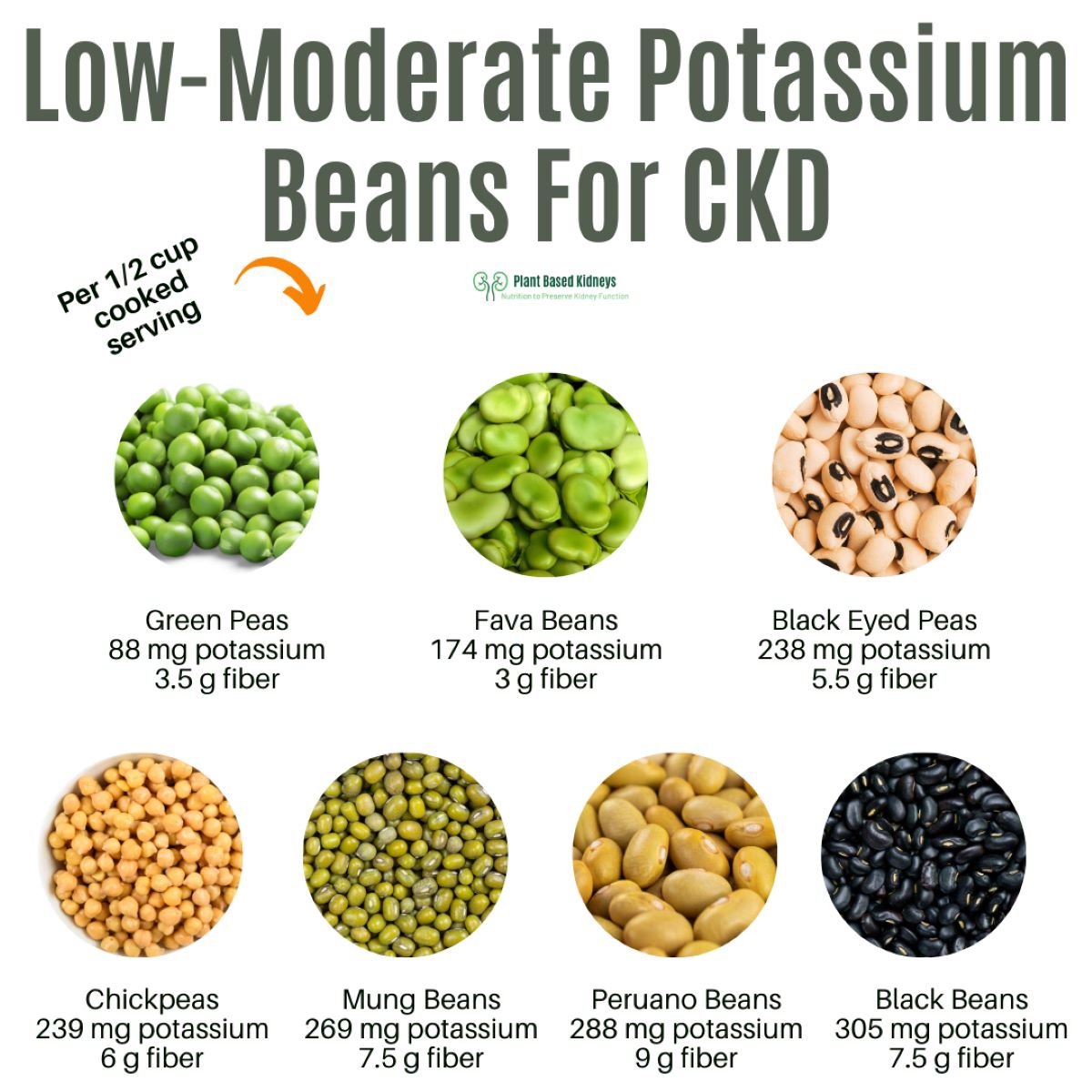
A shift toward plant-based proteins could potentially lower the prevalence of heart disease and type 2 diabetes. Such a dietary change is likely to provide a low-cost way to fill critical nutrient gaps, particularly for potassium and B vitamins.
Frequently Asked Questions
How many beans should the average adult eat per week?
The Dietary Guidelines recommend about 1.5 cups of legumes per week, which can be split into three half-cup servings.
What should I do if beans cause bloating?
Start with lentils or split peas, gradually increase the amount you eat, and ensure you drink plenty of water.
Are canned beans as healthy as dried beans?
Yes, they are a convenient option. To manage salt intake, choose low-sodium versions or rinse the beans before using them.
Which of these simple bean-based additions will you try first in your weekly meal prep?