

Why do we have a housing shortage while the population falls? Just look at my crummy first L.A. apartment
A Pepto-Bismol pink apartment building on Berendo Street in Koreatown serves as a stark illustration of the evolving real estate landscape in Los Angeles. Once a crowded, cockroach-infested eight-unit rental, the 1925 Italianate structure has since been converted into condos featuring designer lights and exposed brick walls.
The financial shift is significant. A 693-square-foot unit that once rented for $950 in 2011 sold for $325,000 in 2021, while another unit sold for $500,000 in 2024.
The Los Angeles Housing Paradox
This individual property reflects a broader regional paradox: a stubborn housing shortage and affordability crisis persisting despite a shrinking population. Los Angeles lost nearly 10,000 residents last year and Los Angeles County lost 62,000.
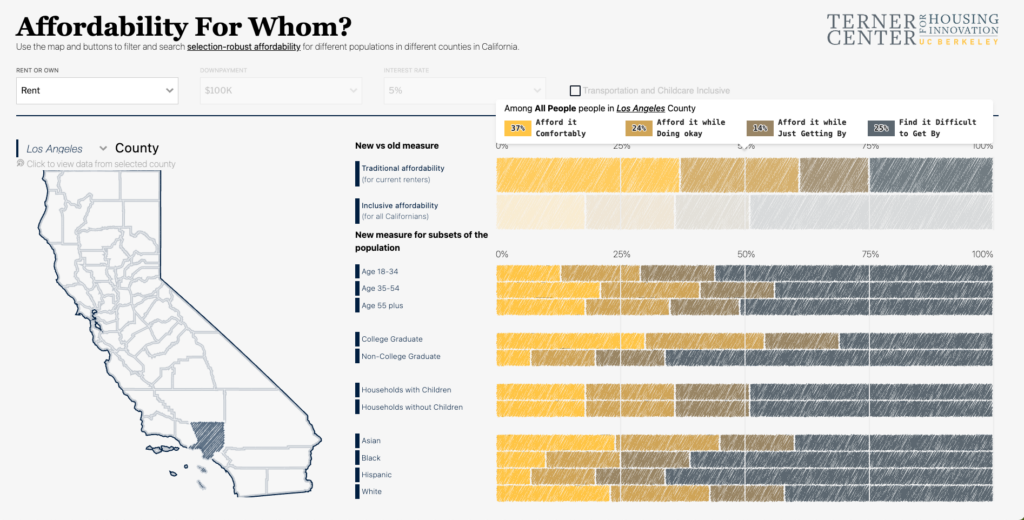
Since 2016, more than 400,000 people have left the county. Despite this exodus and an increase in housing stock, home prices and rents have nearly doubled during the same period.
analysing the Affordability Gap
Rental costs have climbed steeply over the last decade. In 2011, the fair market rent for a one-bedroom home in L.A. County was $1,173; adjusted for inflation, that figure would be approximately $1,736 today.
By 2026, the fair market rent for a one-bedroom in L.A. County is projected at $2,085 a month. According to Zillow, average rent in the city is currently 33% higher than the national average.
The Role of Household Composition
Stephanie Hawke, associate research director of land use and supply at the Terner Center for Housing Innovation at UC Berkeley, suggests that household composition is a key factor. The number of three-plus-person households is falling, while one- to two-person households are rising.
Because households are becoming smaller, the total number of individual housing units required is actually increasing, even as the overall population declines.
Future Implications for Urban Living
The transition of buildings like the one on Berendo Street suggests that more older rental stock could be converted into high-end condos. This trend may further reduce the availability of naturally affordable housing in densely populated neighborhoods like Koreatown.

If the trend of shrinking household sizes continues, the demand for smaller units may remain high. This could lead to a scenario where lower-income residents are increasingly displaced by those with higher earning potential.
Frequently Asked Questions
How many people have left Los Angeles County since 2016?
More than 400,000 people have left the county since 2016.
Why are rents staying high despite a population decrease?
One factor is that households are becoming smaller, meaning more housing units are required even if fewer people live in the area. Lower-income people are often replaced by higher-income workers who can pay more.
What is the projected fair market rent for a one-bedroom in L.A. County for 2026?
The fair market rent is projected to be $2,085 a month.
Do you believe the shift toward smaller household sizes is the primary driver of the current housing crisis in major cities?