
Why Is Young Colon Cancer Rising? New Research Shows Food, Gut Health
Colon cancer is undergoing a concerning shift, emerging as the leading cause of cancer death among people under 50. While medical professionals have long treated the disease with established protocols, recent research presented at the American Society of Clinical Oncology (ASCO) suggests that early-onset colorectal cancer may be a biologically distinct disease from the cases typically seen in patients over 60.
A Unique Biological Fingerprint
Researchers are increasingly viewing young-onset colorectal cancer as a separate phenomenon, potentially driven by shifts in modern environments and lifestyles that have evolved since the Baby Boomer generation. Dr. Ning Jin of The Ohio State University has identified 11 cancer genes more prevalent in younger patients, suggesting a unique genetic “fingerprint” that causes the disease to behave differently than in older populations.
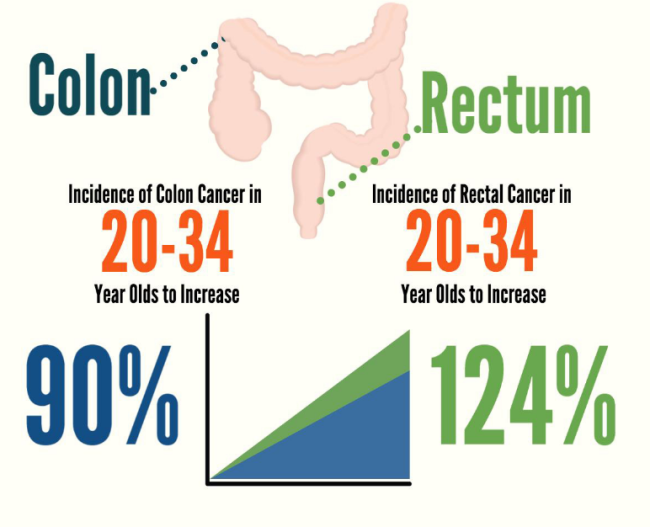
The research indicates that these younger tumors are often linked to inflammatory pathways. These pathways may be triggered by modern dietary patterns, specifically the high intake of ultra-processed foods, which are often rich in sugar and vegetable oils high in omega-6 fatty acids, while lacking the omega-3s found in fish, nuts, and seeds.
The Role of the Gut Microbiome
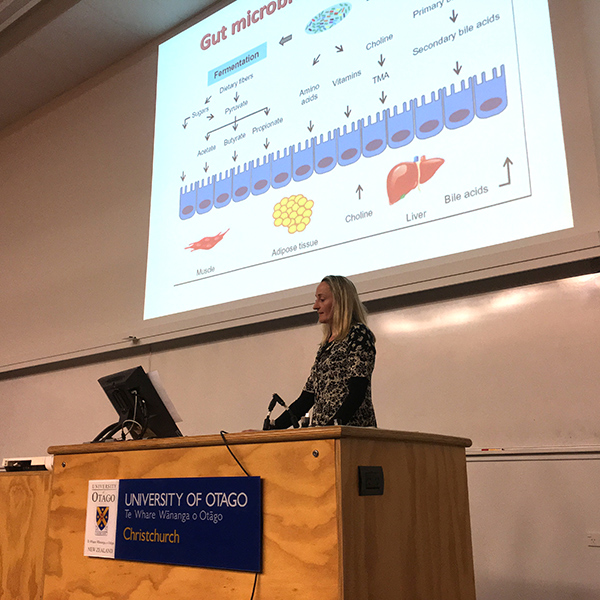
Beyond diet, the composition of the gut microbiome is emerging as a critical factor. Experts like Rachel Purcell from the University of Otago suggest that modern hygiene and lifestyle factors may have reduced the diversity of gut bacteria, leaving younger generations more vulnerable to pathogenic microbes.

Studies have identified specific toxic bacteria, such as cytotoxic necrotizing factor 1 and colibactin, which are more frequently found in the tumors of younger patients. Researchers suspect these imbalances may be seeded in early life, potentially before the age of two, as the gut struggles to maintain a diverse ecosystem of “good” bacteria capable of supporting a healthy immune system.
Looking Ahead: Potential Shifts in Prevention
While oncologists like Dr. Stacey Cohen note that clinical treatment for a 26-year-old and a 56-year-old remains similar for now, the science is pointing toward new preventative strategies. In the future, experts hope that a better understanding of these inflammatory pathways could lead to specialized screening methods or blood tests that detect risk markers decades earlier.
For the general public, the current consensus involves focusing on gut health through fiber-rich whole foods and avoiding the unnecessary use of antibiotics. As research continues to investigate the “why” behind these rising rates, the medical community is scrutinizing how environmental exposures and dietary choices interact to create these unique cancer profiles.
Frequently Asked Questions
Is young-onset colon cancer treated differently than cases in older adults?
Currently, no. Oncologists report that they generally treat the disease similarly regardless of age, though research is ongoing to determine if unique biological differences will eventually require specialized treatment approaches.
What role do ultra-processed foods play in this trend?
Research suggests that ultra-processed foods, which are often high in sugar and omega-6 fatty acids from vegetable oils, may ignite inflammatory metabolic pathways that contribute to more aggressive cancer development.
Can lifestyle changes help reduce the risk of early-onset colon cancer?
Scientists recommend diets rich in fiber—found in fruits, vegetables, nuts, and seeds—to promote gut health and reduce inflammation. Experts advise avoiding the overuse of antibiotics to protect the diversity of the gut microbiome.
How are you adjusting your daily nutritional habits to better support your long-term gut health?