

Why Smartphone Prices Are Rising: The Impact of Memory Costs
Memory now accounts for over 50% of total smartphone hardware costs, surpassing both processors and displays. According to data from the Phone (4a) production cycle, memory costs doubled twice between the device’s planning phase and its launch, contributing to retail price increases of up to $100 for new smartphone models.
Why are smartphone prices increasing?
Rising hardware costs, specifically in memory components, are driving up the retail price of mobile devices. Since February, new smartphone launches have seen price increases of up to $100 compared to their predecessors. The impact is even more pronounced in specific markets; in India, devices priced above ₹30,000 have experienced price jumps of ₹7,000 or more.
These increases aren’t tied to new features or software capabilities, but to the raw cost of the components required to build the hardware. When the cost of a primary component like memory spikes, manufacturers pass those costs directly to the consumer to maintain margins.
How does memory cost compare to other components?
For years, the processor and the OLED or LCD display were the primary cost drivers in smartphone manufacturing. That hierarchy has shifted. Memory now represents the largest slice of the hardware bill, often exceeding 50% of the total cost to produce the device.
The volatility of this cost is significant. In the case of the Phone (4a), costs doubled between the initial design decision and the official launch. Following that launch, costs doubled once again. This rapid escalation makes it difficult for manufacturers to lock in pricing for long-term product cycles.
Price Jump Comparison
| Market/Segment | Typical Price Increase |
|---|---|
| Global New Launches | Up to $100 |
| India (Phones > ₹30K) | ₹7,000 or more |
What happens during a memory shortage?
During a supply shortage, the traditional retail model of “buying” components changes to “allocation.” In this system, memory suppliers decide how much hardware each manufacturer receives. Manufacturers cannot simply pay more to secure extra stock; they receive a set quota based on their relationship with the supplier.
This means consumers get whatever configurations are available at the current market price. There is no advantage to “buying ahead” or waiting for a specific stock refill, as the allocation process dictates availability regardless of consumer demand.
Will sale seasons offer the usual discounts?
Industry data suggests that the upcoming sale seasons will not feature the deep discounts consumers have come to expect. Because memory costs remain high and supply is allocated rather than open, retailers have less room to slash prices without taking a loss.
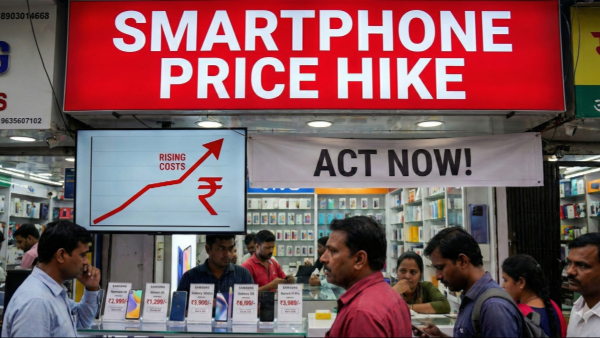
The current trend indicates that the most cost-effective time to upgrade a device is immediately, rather than waiting for a promotional event that may offer minimal savings compared to future price hikes.
Frequently Asked Questions
Why is memory now more expensive than the processor?
Supply chain constraints and increased demand for higher-capacity memory across all electronics have driven costs up, while processor costs have stabilized relative to memory.
Should I wait for a Black Friday or Diwali sale to buy a phone?
According to current trends, sale seasons may not provide the usual discounts due to high component costs. Waiting could result in paying more if prices continue to climb.
Does this affect all smartphones or just budget models?
The trend affects the entire industry, though it is specifically noted in mid-to-high range devices, such as those over ₹30K in the Indian market.
What’s your upgrade strategy? Are you holding onto your current device longer, or are you upgrading now to beat the price hikes? Let us know in the comments or subscribe to our newsletter for more hardware insights.