
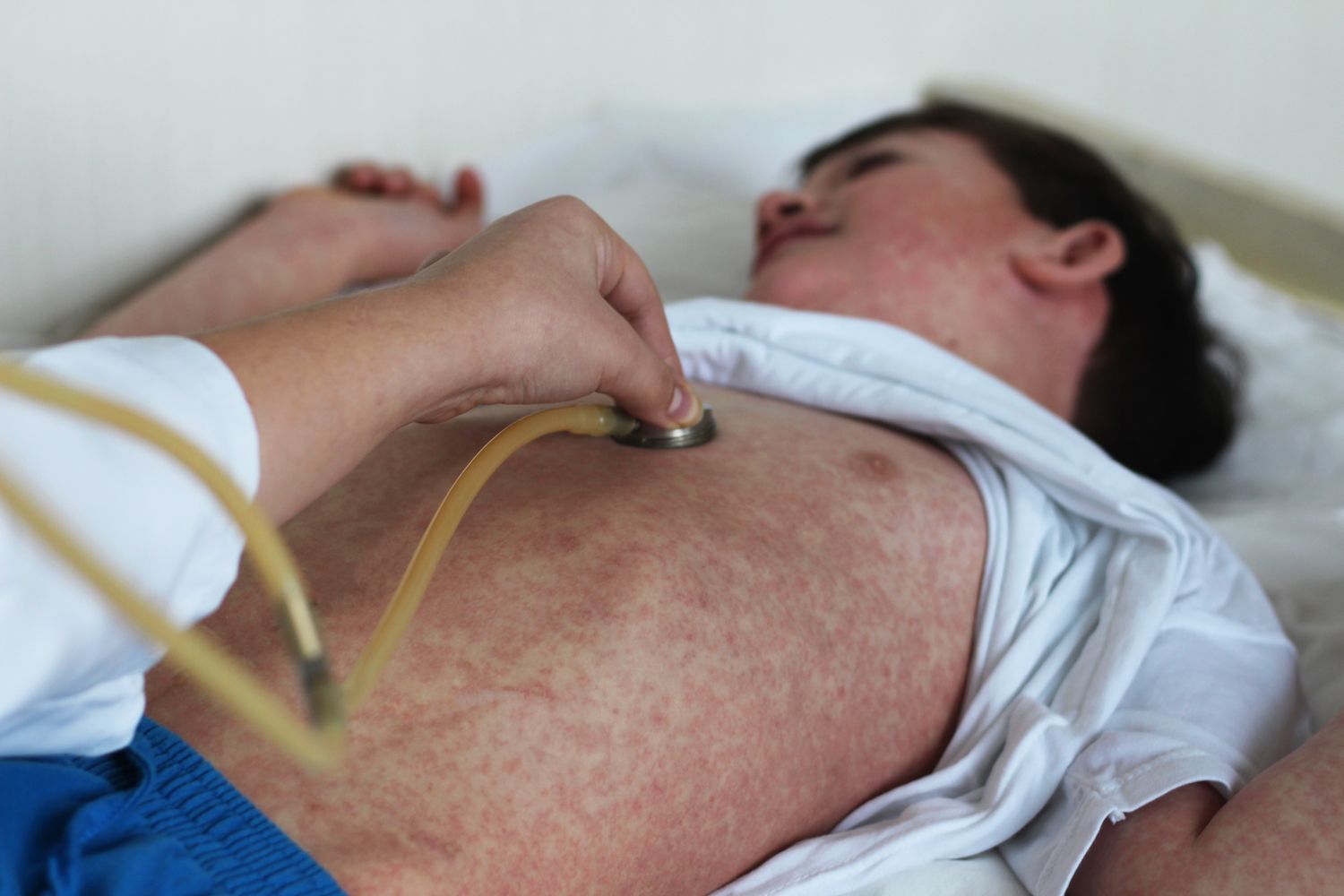
Why the US Could Lose Its Measles Elimination Status
The United States is likely to lose its official measles elimination status in November, according to researchers from Boston Children’s Hospital. This status is lost when a country experiences sustained measles spread for over a year, a trend already seen in Canada and the U.K. due to declining vaccination rates.
Why is the U.S. at risk of losing measles elimination status?
The U.S. has failed four of seven indicators required to maintain elimination status, according to a progress report by Dr. Anne Bischops and Maimuna Majumder. Cases began to rise around January 2025, signaling what Majumder described as a possible “point of no return.”
Dr. Bischops, a pediatrician, noted that vaccine-preventable diseases have increased for several years. She attributed this trend to “vaccine fatigue” following the COVID-19 pandemic.
How does the current outbreak differ from past events?
Maimuna Majumder compared the current situation to the 2014-2015 Disneyland measles outbreak. At that time, policymakers passed bills like SB-277 in California to remove personal belief exemptions, which Majumder said helped reclaim measles protection.
The 2025 Texas outbreak occurred in a different climate, according to Majumder. She cited the pervasiveness of misinformation and a federal government she described as “staunchly anti-vaccine” as factors that seed doubt among individuals.
What are the challenges in tracking measles cases?
Current case numbers are likely an undercount, Majumder stated. Because some measles cases are not severe, parents may not seek medical care, and the disease only gets reported when a patient encounters the healthcare system.
Wastewater surveillance is a potential solution, though Majumder noted that interpretability remains difficult. Rainfall can dilute wastewater, making it hard to translate signals into exact case numbers.
Massachusetts is currently a leader in wastewater surveillance and could potentially pilot a dedicated measles program, according to Majumder.
What happens next in November?
A CDC expert panel will analyze transmission-chain data and present findings to the Pan American Health Organization (PAHO) in November. Dr. Bischops stated it is “highly likely” the U.S. will lose its status based on available data.

Majumder suggested three possible outcomes. The U.S. could lose its status by maintaining current criteria, or the expert panel could move the benchmarks to avoid being seen as failures.
The least likely scenario, according to Majumder, is that the country manages to reverse the trend within the next six months without changing the criteria.
Frequently Asked Questions
What does “measles elimination status” mean?
It means a country has prevented the sustained spread of the measles virus within its borders for over a year.
Why is wastewater surveillance difficult for measles?
According to Maimuna Majumder, rainwater can dilute samples, and the engineering required to accurately translate wastewater signals into a specific number of community cases is not yet fully developed.
Which organizations are involved in the November assessment?
An expert panel determined by the CDC will conduct the analysis and present the results to the Pan American Health Organization (PAHO).
How do you think public health communication should change to address vaccine fatigue in your community?