

Why Women Over 40 Lose Muscle Strength and How to Prevent It
Women entering their 40s often experience a silent, progressive decline in muscle quality and strength known as dinapenia and sarcopenia, according to clinical data. This physical deterioration is linked to the irregular fluctuation of estrogen during early perimenopause, a phase that frequently goes misdiagnosed by general practitioners as work-related stress or natural aging. Research indicates that this hormonal shift causes muscles to lose their primary maintenance fuel, resulting in a loss of strength that can progress three times faster than the reduction in actual muscle volume.
The Science of Hormonal Muscle Decline
While estrogen has historically been viewed primarily as a reproductive hormone, endocrinology research now identifies it as a metabolic regulator for the musculoskeletal system. According to findings from the National Institutes of Health (NIH) and the National Library of Medicine (NLM), muscles are rich in estrogen receptors. These hormones act as a protective shield that promotes protein synthesis and cellular regeneration.
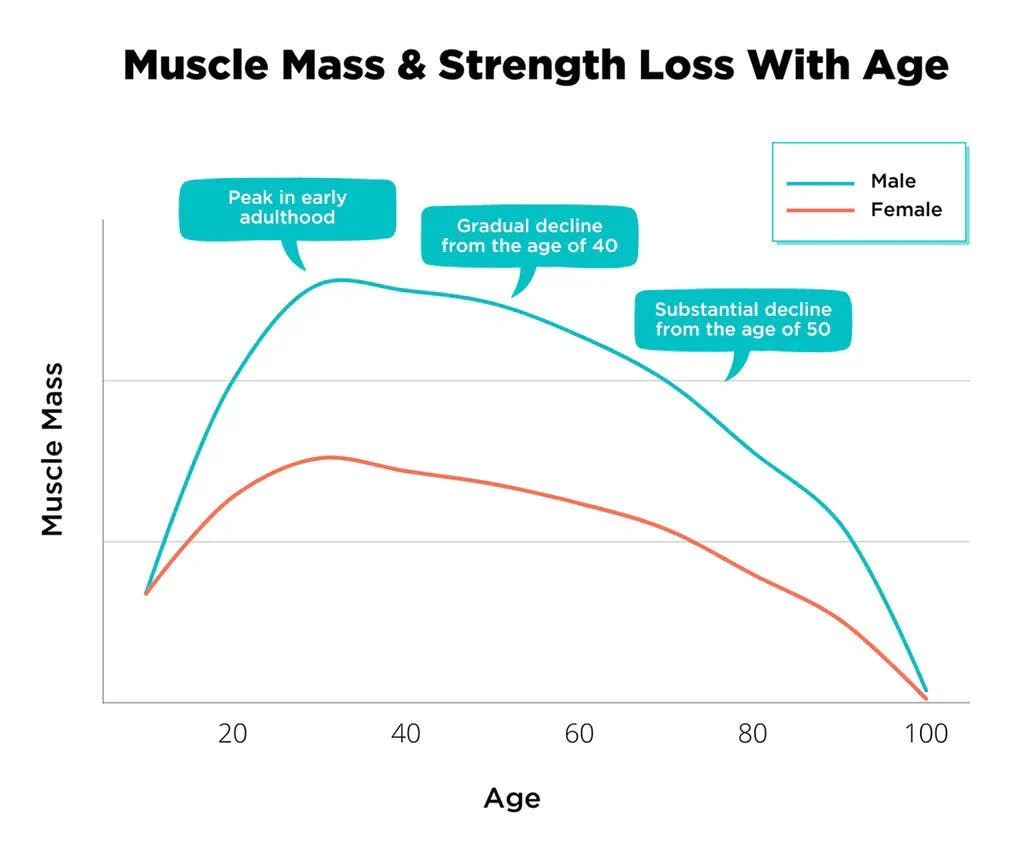
When estrogen levels fluctuate during the transition to menopause, this protective stimulus diminishes. Research coordinated by the University of Helsinki—specifically the Estrogenic Regulation of Muscle Apoptosis and Osteoclastogenesis Study—confirms that lower estrogen levels are directly associated with reduced muscle performance and higher markers of tissue inflammation. This physiological change explains why routine physical tasks, such as carrying groceries or climbing stairs, may suddenly feel more difficult for women in this age group.
The loss of physical strength in women during the early stages of perimenopause often advances at a rate three times faster than the loss of physical muscle mass, according to clinical observations.
Strategies to Mitigate Muscle Loss
Medical evidence suggests that the premature sarcopenia and dinapenia associated with hormonal transitions are both preventable and reversible. Health guidelines indicate that conventional aerobic exercise, such as walking or zumba, is no longer sufficient to maintain muscle health after age 40.
To stimulate muscle regeneration, experts recommend incorporating resistance training—such as weights, calisthenics, or resistance bands—at least three times per week. Additionally, clinical guidance suggests increasing protein intake to between 1.2 and 1.5 grams per kilogram of body weight daily. Women may also consult with specialists in gynecological endocrinology to determine if they are candidates for personalized Hormone Replacement Therapy (TRH), which has shown protective effects on muscle tissue.
Samantha Carter notes that the transition to the 40s represents a critical window where metabolic shifts require a pivot from standard cardiovascular fitness to targeted strength-based interventions. The trade-off for neglecting this shift is the replacement of lean muscle with intermuscular fat, which in turn slows the basal metabolic rate and complicates weight management.
What May Happen Next
If left unaddressed, the substitution of lean tissue with intermuscular fat could lead to long-term reductions in metabolic efficiency and physical functionality. As awareness of these hormonal links grows, medical providers may increasingly adopt more specialized screening processes for women in their 40s. Patients who proactively integrate strength training and nutritional adjustments could see a stabilization in their muscle performance and a reversal of the early symptoms of sarcopenia.

Frequently Asked Questions
Why is muscle loss often misdiagnosed in women over 40?
Many clinical symptoms, such as fatigue and reduced physical capacity, are frequently attributed to work-related stress or the general aging process rather than the specific hormonal decline associated with early perimenopause.
Is aerobic exercise enough to maintain muscle health during perimenopause?
No. Research indicates that aerobic exercise alone is insufficient. Women in this life stage require specific resistance training to stimulate muscle regeneration in the absence of stable estrogen levels.
How does estrogen affect muscle tissue?
Estrogen acts as a metabolic regulator that stimulates cellular regeneration and protein synthesis. When levels fluctuate, the body loses this protective stimulus, leading to increased inflammation and a reduction in the quality of muscle fibers.
How have you adjusted your own fitness routine to account for changes in your body over time?