
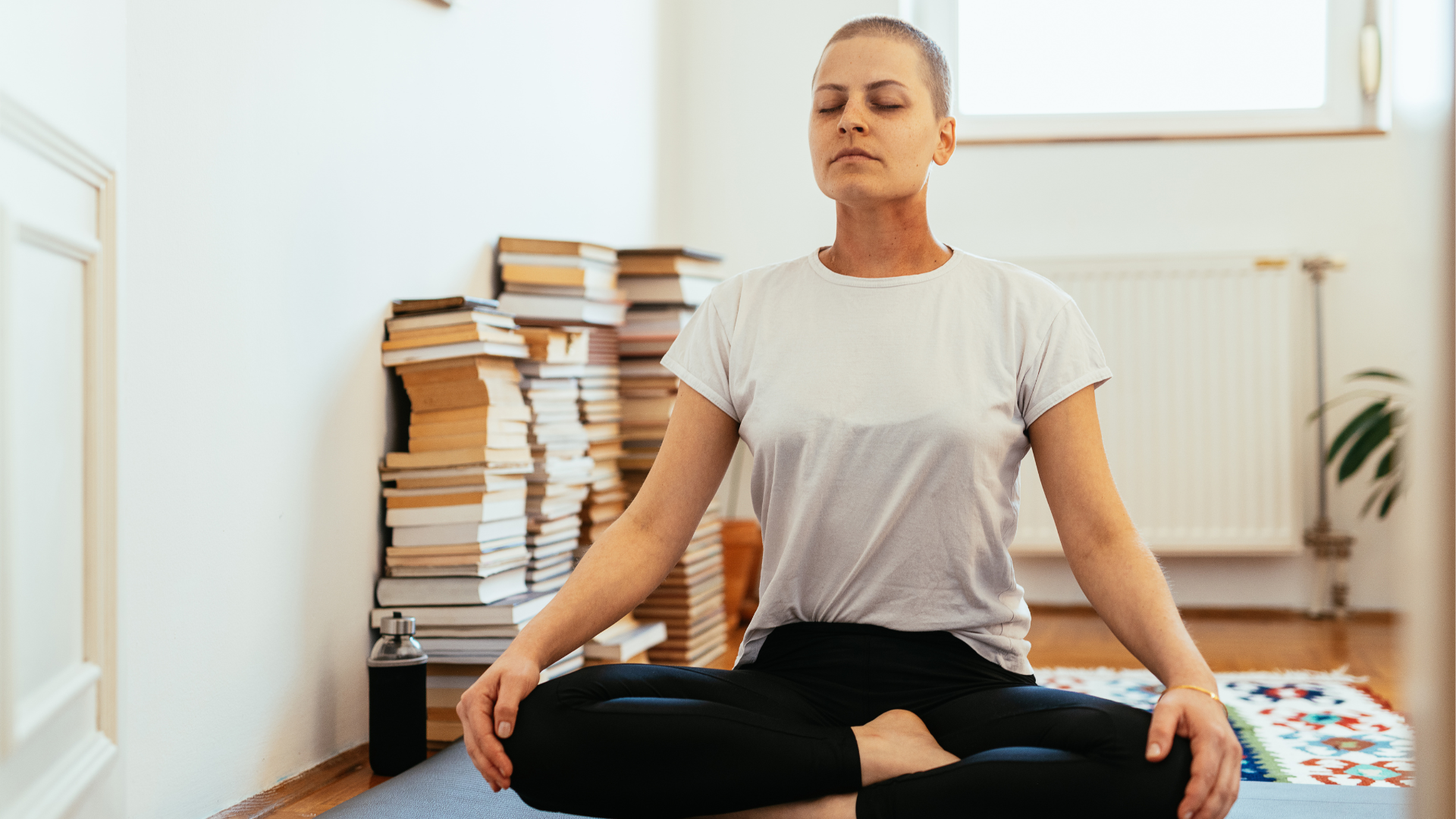
Yoga for Cancer Survivors: Improving Sleep and Reducing Fatigue
New research from the University of Rochester Medical Center suggests that a specific approach to yoga can significantly reduce sleep challenges for cancer survivors. While many side effects of cancer treatment resolve on their own, a substantial number do not, leaving patients to struggle with long-term recovery.
Data indicates that more than 50 percent of cancer survivors find sleep elusive. In contrast, approximately 30 percent of the general American population experiences difficulty falling and staying asleep.
The Complexity of Post-Treatment Insomnia
Managing insomnia in cancer survivors is often complicated by the limitations of standard interventions. Yuri Choi, PhD, RN, and Research Assistant Professor, notes that pharmaceutical options can cause negative interactions.
vigorous exercise can be problematic for those already battling extreme fatigue. Because fatigue is one of the most common side effects throughout the cancer trajectory, high-intensity workouts may be overly exhausting.
Beyond Sleep: A Holistic Impact
The research, which began in the early 2000s, initially focused on sleep. However, investigators began exploring how other side effects, such as mood disturbances and anxiety, intersect with sleep patterns.
Karen Mustian, PhD, MPH, and principal investigator, observed that patients often experience a cluster of symptoms, including feeling down, anxious, or agitated. The study suggests that lowering mood disturbance may subsequently help improve sleep.
The “yoga intervention” involved 410 women who had completed cancer treatment. These participants practiced a regimen of poses, breathing, and mindfulness three times a week for four weeks.
Defining the Right Type of Yoga
Researchers emphasize that not all yoga is appropriate for cancer survivors. Rigorous vinyasa flow or heated yoga classes, such as those found in typical YMCA settings, could potentially create more stress for the participant.
The study utilized a slow sequence of gentle hatha and restorative poses developed by instructor Marget Braun. This practice begins with seated stretches to energize the student, moves to slightly more intense poses, and concludes with extended restorative work.
The protocol focuses on the integration of breath, movement, and non-judgmental observation of the present experience. It is designed as a tool for body awareness rather than simply “making shapes” with the body.
Finding Safe Instruction
The researchers recommend that survivors seek certified yoga instructors who have specific experience working with cancer populations. In-person classes are preferred to ensure postures are modified based on individual needs.
.jpg "Karen Mustian yoga research")
Resources for safe practice include local cancer support centres and institutions such as Memorial Sloan-Kettering and City of Hope. The nonprofit Yoga4Cancer Foundation provides free online classes and oncology yoga training for teachers.
Looking Forward
The research team may next explore ways to make these yoga interventions more accessible to Black and Latina cancer survivors. There is also a possibility that future studies will examine the role of yoga in mitigating side effects for adolescent and young adult survivors.
The ultimate goal is to provide survivors with the tools necessary to navigate treatment side effects, potentially ensuring that cancer treatment minimally interferes with their daily lives.
Frequently Asked Questions
What specific type of yoga was used in the study? The study used a slow sequence of gentle hatha and restorative poses, which included seated stretches, mild intensity poses, and an extended restorative practice. Who should lead yoga sessions for cancer survivors? Survivors are encouraged to find certified yoga instructors who have experience working with cancer survivors and know how to modify postures for their specific needs. What other symptoms improved besides insomnia? The analysis indicated that yoga had a beneficial effect on fatigue, mood disturbance, and anxiety. Do you believe that integrating mindful movement into standard medical recovery plans could improve the quality of life for long-term survivors?