
Yonkers’ Waterfront Renaissance: A Success Story Still Searching for Balance
Yonkers city officials have designated the $585 million Hudson Piers development as the final and largest piece of the downtown waterfront revitalization. The project adds 1,400 apartments and retail space to a riverfront that has seen at least $2 billion in total investment as the city shifts from an industrial hub to a residential destination.
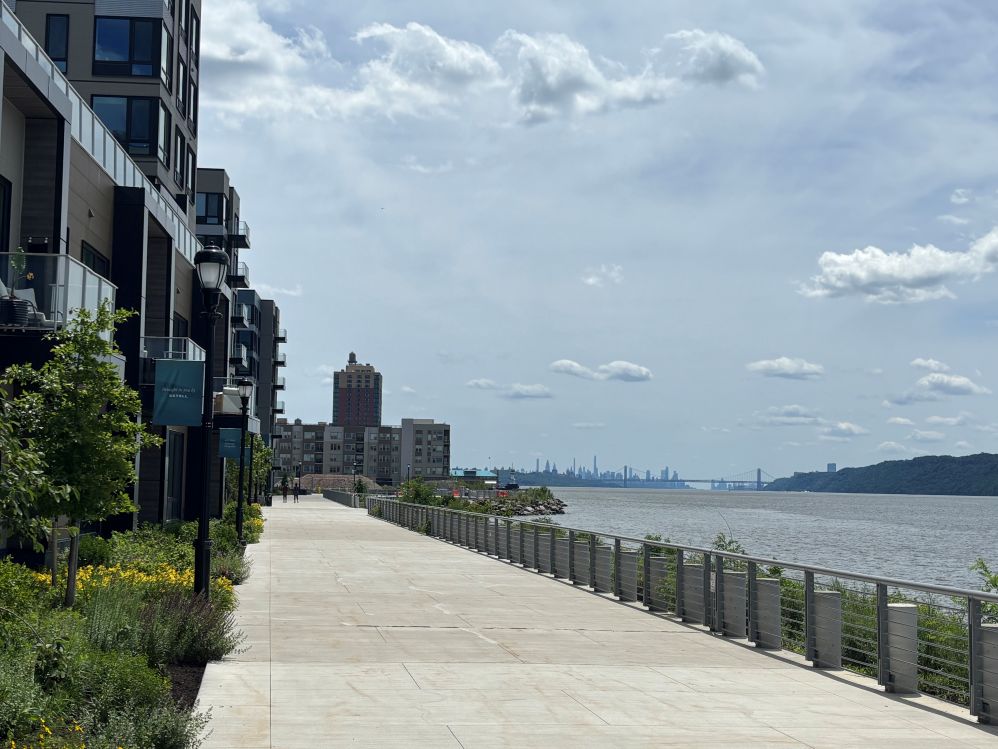
The Hudson Piers project marks the end of a redevelopment effort spanning several decades. According to city officials, the development includes a publicly accessible waterfront walkway intended to reconnect residents with the Hudson River.
How has the Yonkers waterfront changed?
Since the 2000s, Yonkers has worked to separate itself from its former identity as an industrial city. Politicians have prioritized transforming abandoned warehouses and industrial sites into destinations for residents and businesses.
A primary example is the restoration of the Saw Mill River. Once a symbol of manufacturing might, the partially underground industrial tool was converted into public parks and business spaces to improve quality of life.
What are the economic impacts of the redevelopment?
Investment in the area has reached a minimum of $2 billion, though this figure does not include the expansion of surrounding businesses. This influx has increased property values and raised property tax revenue for the city.
The development of housing near Metro-North stations has attracted professionals who work in Manhattan. A metro ride from these riverfront properties to Midtown can take as few as 30 minutes.
What are the primary concerns regarding new growth?
Some residents worry that job generation is being undervalued. While residential buildings are in high demand, office spaces and large-scale commercial employers are not developing at the same rate.
This imbalance leads to concerns that Yonkers may become a commuter city. If new residents find work elsewhere, the city could become solely dependent on residential development for its economic health.
The city’s most recent budget does indicate growth in film production and entertainment through studio facilities. However, residential construction on the waterfront continues to outpace industrial or office development.
Is the new housing affordable for residents?
City officials state that 10 percent of the Hudson Piers apartments—140 units—are reserved as affordable housing. Some residents argue this percentage is insufficient to address regional affordability issues.

Critics assert that the development primarily serves high-income renters relocating from outside Yonkers. They point to luxury amenities and river views as evidence that the projects target a specific demographic rather than longtime local residents.
What may happen next for Yonkers?
As Hudson Piers nears completion, the city’s evolution may depend on whether policymakers can balance apartment growth with job creation. Future developments could be shaped by the ratio of affordable to luxury housing.
Further investment is likely to continue as other developers announce projects expected to result in thousands of additional housing units. The long-term economic health of the city may rely on whether local employment opportunities can keep pace with this residential expansion.
Frequently Asked Questions
How many apartments are being added by the Hudson Piers project?
The Hudson Piers development will add 1,400 apartments.
What percentage of Hudson Piers housing is designated as affordable?
City officials state that approximately 10 percent, or 140 units, are reserved as affordable housing.
What is the estimated total investment in the Yonkers waterfront?
Recent development has brought in at least $2 billion, according to the lowest estimates.
Do you believe a city should prioritize local job creation over residential growth to avoid becoming a commuter hub?