
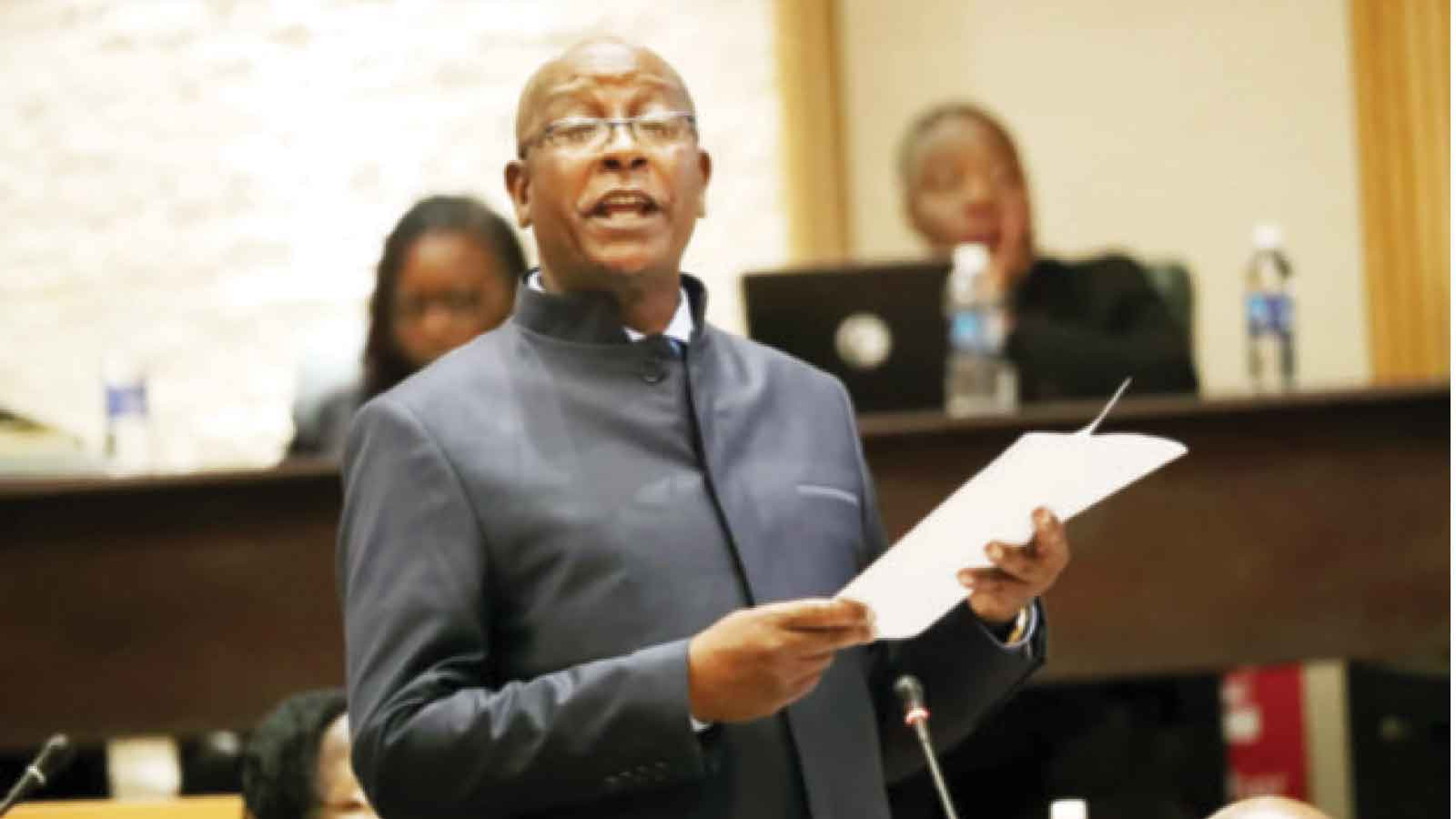
Ziyambi concedes defeat on CAB 3 clauses -Newsday Zimbabwe
Zimbabwe’s government has conceded to public and parliamentary pressure by dropping two contentious clauses from the Constitution Amendment No 3 Bill (CAB 3), while maintaining its push to extend presidential and parliamentary terms. Justice, Legal and Parliamentary Affairs Minister Ziyambi Ziyambi confirmed in the National Assembly that the state will abandon plans to scrap the Zimbabwe Gender Commission and will no longer seek to integrate traditional chiefs into partisan politics.
Why is the government modifying the CAB 3 Bill?
The concessions follow sustained resistance from opposition legislators and civil society groups who argued the initial bill threatened democratic institutions. According to Minister Ziyambi, the government yielded because the proposed changes to the Gender Commission and the political role of chiefs faced broad opposition from across the political divide. While the government remains committed to the term extension—which would lengthen the presidential and parliamentary cycles by two years—Ziyambi stated that the principle of keeping traditional leaders out of partisan contests is “unassailable.”
Did you know? During the parliamentary debate, 182 legislators contributed to the discussion, with 30 members formally opposing the bill in its entirety, according to figures provided by Minister Ziyambi.
How are opposition factions reacting to the concessions?
The political response to the bill is split. Nqobizitha Mlilo, spokesperson for the Citizens Coalition for Change (CCC) faction led by Sengezo Tshabangu, characterized the concessions as the result of “good-faith negotiations.” Mlilo stated that the faction’s ultimate goal remains the formation of a “government of national consensus.” Conversely, former MDC legislator Munyaradzi Gwisai argued that the opposition MPs who challenged the bill successfully exposed the “bankruptcy” of the term-extension agenda. Gwisai emphasized that any significant constitutional change should be validated through a national referendum to ensure public consent.
What legal hurdles remain for the bill?
Beyond parliamentary debate, the bill faces legal scrutiny. Constitutional lawyer Lovemore Madhuku, representing war veterans, confirmed that they intend to file a challenge in the High Court after the Constitutional Court declined to exercise jurisdiction over the matter. The Constitutional Court ruled that the alleged duties breached by President Emmerson Mnangagwa were not specific enough for its exclusive intervention. This procedural shift forces the challenge into the High Court, with the potential for future appeals to return to the Constitutional Court.

FAQ
- What is the primary purpose of CAB 3? The bill aims to extend President Mnangagwa’s term by two years and increase the lifespan of Parliament by a similar duration.
- Are chiefs still being integrated into politics? No. Following pressure from legislators, the government has agreed to maintain the status quo, keeping chiefs out of partisan political contests.
- What is the status of the Zimbabwe Gender Commission? Plans to scrap the commission have been abandoned due to widespread opposition in the National Assembly.
- Where will the legal challenge against the bill go next? After the Constitutional Court declined jurisdiction, legal representatives for war veterans plan to move their case to the High Court.
Stay informed on the latest legislative developments in Zimbabwe. Subscribe to our newsletter for weekly updates on constitutional reforms and parliamentary proceedings.