
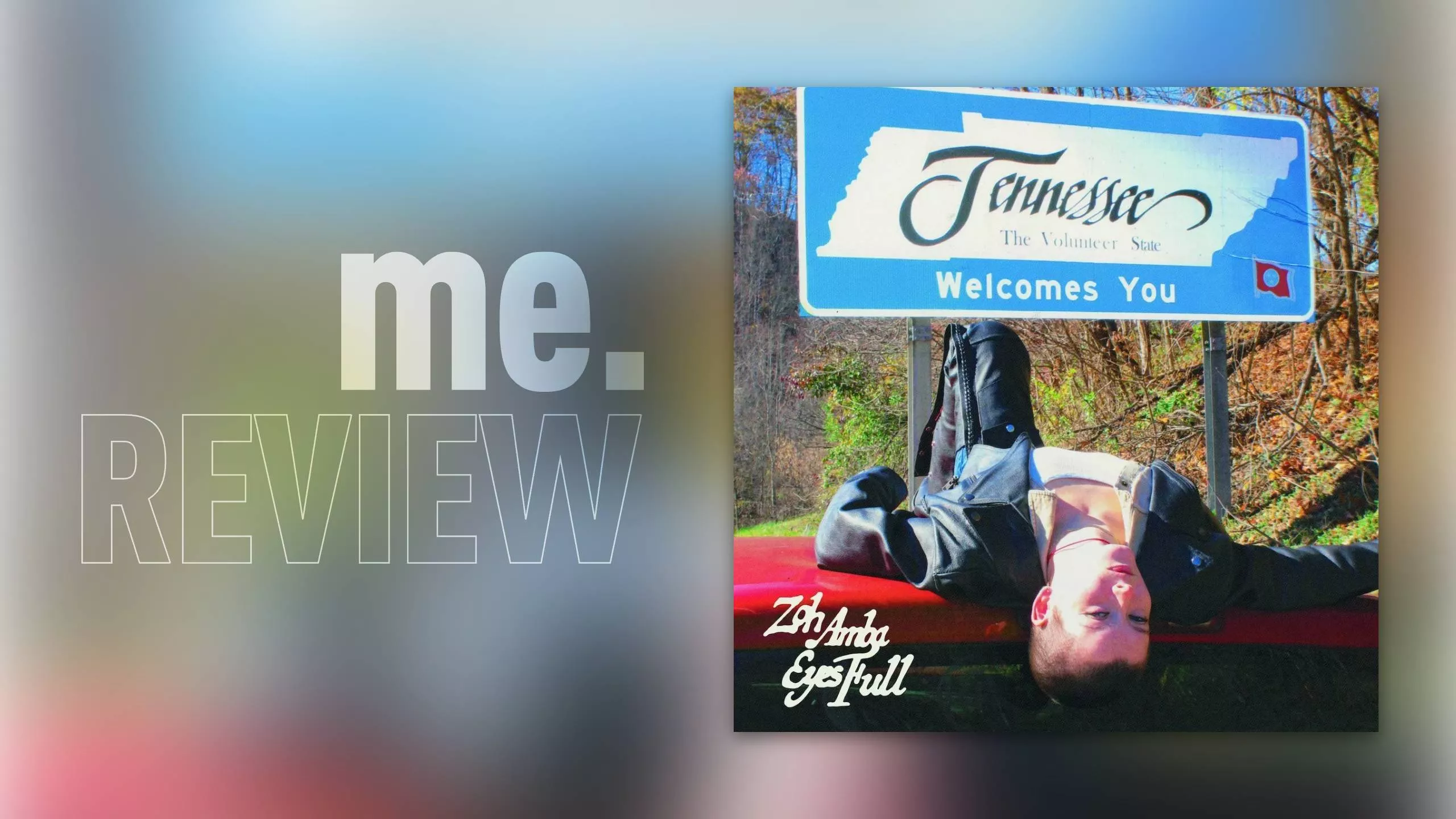
Zoh Amba – EYES FULL Album Review: Gritty Blues-Folk and Social Analysis
The Death of the Genre Label: Why Fluidity is the New Standard in Music
For decades, the music industry lived and died by the “bin.” You were either a jazz musician, a folk singer, or a rock artist. But a shift is happening. We are seeing a surge of artists—much like the trajectory of Zoh Amba—who treat genres not as identities, but as tools in a toolbox.
The transition from avant-garde jazz to raw, Southern-inflected Blues-Folk isn’t just a personal artistic choice; it’s a reflection of how modern audiences consume music. With the rise of algorithmic streaming, listeners no longer stick to one mood or style. They crave “sonic curiosity.”
This trend toward genre-fluidity is becoming a dominant force. We are moving toward an era of “Post-Genre” music, where the emotional intent of the song outweighs the technical classification of the instrument used.
Hyper-Localism: The New Frontier of Social Storytelling
There is a growing movement in contemporary art toward “Hyper-Localism.” Instead of writing broad anthems about love or heartbreak, artists are producing what can only be described as musical social reports.
Focusing on specific geographies—like the rural landscapes of Tennessee—allows artists to explore the intersection of faith, generational trauma, and economic decay. This isn’t just songwriting; it’s sonic ethnography.
We see this trend mirroring the “New Regionalism” in literature and film, where the specificities of a small town are used to highlight universal human struggles. When an artist uses a thick regional dialect and raw, “scratchy” vocals, they aren’t just performing; they are preserving a cultural artifact.
The Tension of the “Returning Outsider”
One of the most potent trends in modern storytelling is the perspective of the “Returning Outsider.” This occurs when an artist grows up in a marginalized or rural environment, leaves for a metropolitan hub (like New York or San Francisco), and then looks back at their origins through a lens of distance.
This distance provides a unique clarity. It allows the creator to analyze their home with both the intimacy of an insider and the objectivity of a stranger. This duality is where the most honest social critiques are born.
From Aesthetics to Analysis: Art as a Sociological Tool
We are seeing a pivot from music that serves as “background noise” to music that demands “active listening.” The trend is shifting toward albums that tackle sobering realities: generational conflict, the fragility of faith, and the crushing weight of rural poverty.
This movement is bolstered by a global appetite for authenticity. In an age of AI-generated perfection and polished pop, the “knarzig” (scratchy) and unrefined sound is a signal of truth. Rawness has become a currency of trust.
For more on how authenticity drives engagement, check out NPR Music’s exploration of Americana or explore our own guide on the evolution of modern storytelling.
Frequently Asked Questions
What is “Genre-Fluid” music?
It is music that intentionally blends elements from multiple genres or sees an artist completely switch styles between projects to avoid being pigeonholed into one category.
Why is hyper-local storytelling trending?
Listeners are fatigued by generic content. Stories rooted in specific places and real-life social dynamics feel more authentic and relatable, even to those who have never visited those locations.
How does “sonic ethnography” differ from traditional folk music?
While folk music often focuses on tradition and heritage, sonic ethnography uses music to document and analyze current social realities, acting more like a journalistic report than a nostalgic song.
Join the Conversation
Do you think the “death of genre” makes music more exciting or more confusing? Are you noticing a shift toward more raw, social-focused art in your own playlists?
Let us know in the comments below or subscribe to our newsletter for more deep dives into the future of culture.