
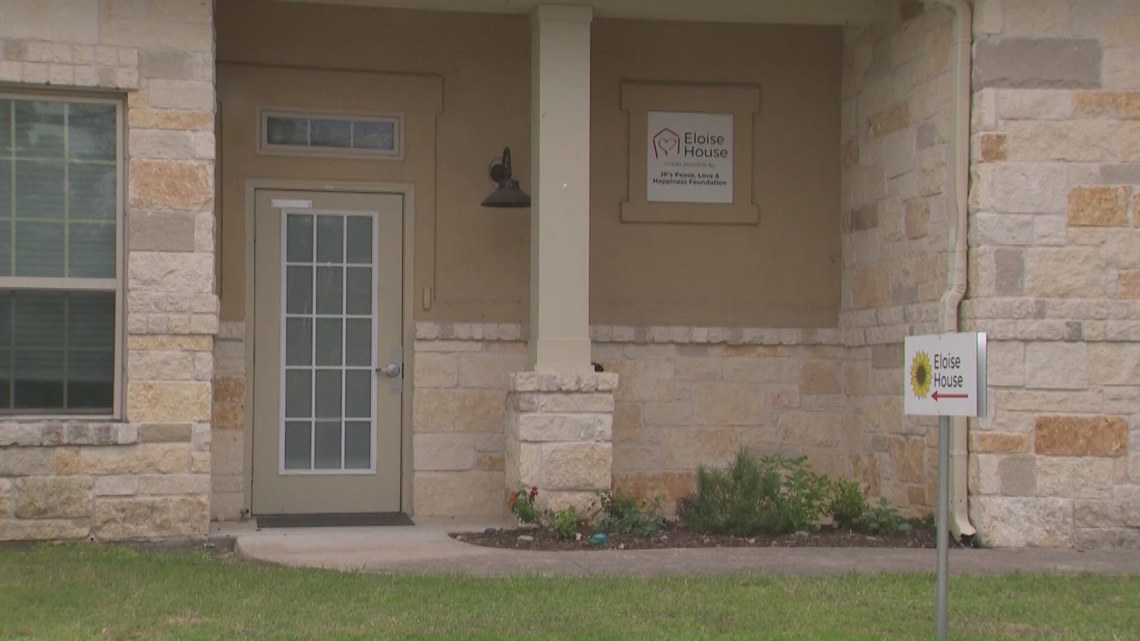
Austin Sexual Assault Forensic Exam Services Transition to New Model
Sexual assault survivors in Austin, Texas, will encounter a significant shift in how they receive forensic exams and support services beginning June 9. City leaders are transitioning these services to a hospital-led, multiprovider model to ensure no gaps in care occur during the handover.
A Shift in the Model of Care
For the past ten years, SAFE Alliance’s Eloise House served as a private, survivor-centered alternative to hospital emergency rooms, providing forensic exams and support at no cost.
SAFE Alliance CEO Pierre Berastain noted that the facility was specifically built around the needs of survivors to be more accessible. However, funding challenges and the loss of federal grants have necessitated a change in operations.
“This didn’t work out, not because it wasn’t a great service, but because funding,” Berastain said. “We always said we can’t do this alone. This is a community issue that requires a community solution.”
Did You Know? For a decade, Eloise House provided a private environment for forensic exams and support services to survivors at no cost as an alternative to emergency rooms.
The Role of BRAVE Alliance
Under the new structure, forensic exams will be handled by BRAVE Alliance. This organization will provide on-call sexual assault nurse examiners at its Cedar Park clinic and various partner hospital locations.
The city of Austin has indicated that BRAVE Alliance is currently working to secure a centralized location within Austin to improve survivor access. Austin Police Chief Lisa Davis stated that officers are being trained on the new model, which includes transporting survivors to partner hospital sites or the Cedar Park clinic.
While SAFE Alliance will no longer manage the forensic exams, the organization will continue to provide critical advocacy services to survivors.
Expert Insight: Samantha Carter observes that transitioning from a dedicated, single-site center to a multiprovider hospital model may create a tension between clinical efficiency and the survivor-centered privacy previously offered by Eloise House.
Financial Pressures and Future Risks
The transition of forensic exams is part of a larger financial struggle for SAFE Alliance. Berastain warned that the Eloise House change is one of four initiatives facing potential closure.
The organization’s domestic violence shelter, which serves 35 women and 80 children, could be at risk when funding expires on Oct. 1. To prevent this, SAFE Alliance is requesting an additional $200,000 from the city.
Other programs facing uncertainty include SAFE Futures, which supports families involved with child welfare services, and Planet SAFE, which manages supervised visitation and safe exchanges for families in the court system.
Planet SAFE may require approximately $400,000 in additional funding to remain operational. SAFE Alliance has initiated discussions with Travis County regarding potential support.
Potential Implications for Survivors
The move to hospital-led care may introduce new challenges for those seeking help. Berastain expressed concerns regarding potential wait times and the possibility of survivors receiving medical bills.

While the forensic exam itself will not be charged, survivors are likely to be billed for other supports they may receive within a hospital setting.
Berastain emphasized that government contracts have remained flat-funded, making it difficult to sustain these services through fundraising alone. He argued that the community must invest in these services as the city depends on them to keep the community safe.
Frequently Asked Questions
When do the changes to forensic exam services begin?
The transition to the hospital-led, multiprovider model begins on June 9.
Who will provide forensic exams under the new model?
Forensic exams will be handled by BRAVE Alliance at their Cedar Park clinic and partner hospital locations.
Why is SAFE Alliance transitioning these services?
The decision was driven by funding challenges and the loss of federal grants.
How should cities balance the need for clinical hospital resources with the demand for private, survivor-centered care centers?