
Can an African Nation Win the 2026 World Cup?
African football is closing the gap on the global elite as the continent prepares for the 2026 World Cup. With Morocco’s historic semi-final run in 2022 setting a new benchmark, legends like Sunday Oliseh and current stars such as Iliman Ndiaye believe an African champion is no longer a matter of “if,” but “when.”
Can an African team win the 2026 World Cup?
The ambition to fulfill Pelé’s 50-year-old prophecy—that an African nation would lift the World Cup trophy before the turn of the millennium—remains the ultimate goal. While the 2000 deadline passed, the momentum behind African football has shifted. According to former Nigeria captain Sunday Oliseh, the performance of Morocco in 2022 proved that the tactical and physical ceiling for African teams has been shattered. The expansion to a 48-team tournament in 2026 provides more opportunities for African nations to showcase their depth, moving beyond reliance on individual brilliance toward cohesive, tournament-ready systems.

Morocco became the first African nation to reach a World Cup semi-final in 2022, defeating heavyweights like Spain and Portugal along the way. This feat surpassed the previous best of quarter-final appearances by Cameroon (1990), Senegal (2002), and Ghana (2010).
How has the landscape of African football changed?
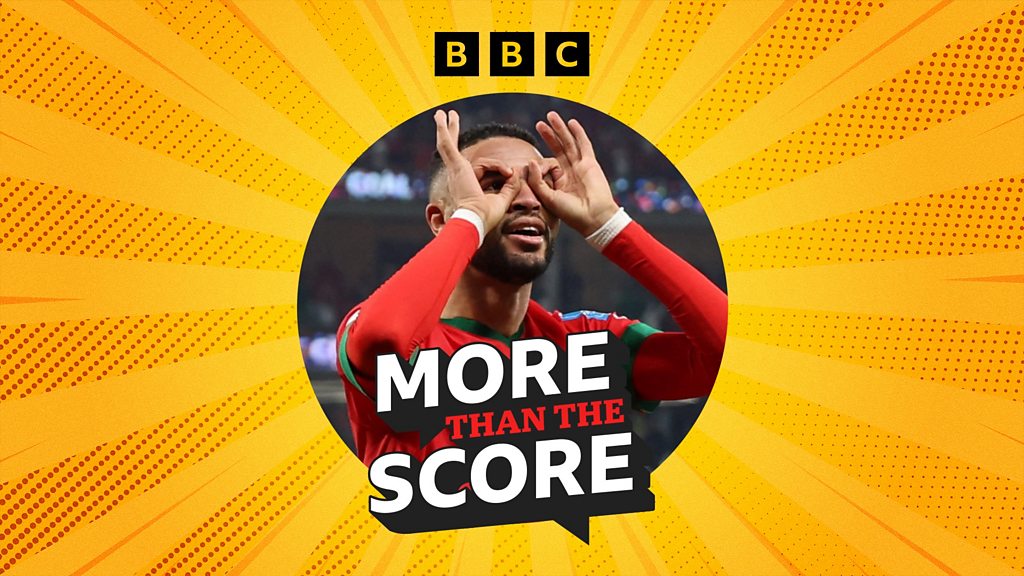
The shift is driven by a new generation of players who are integrated into elite European club structures from a younger age. Senegal’s Iliman Ndiaye, speaking on the More than the Score podcast, emphasized that the current mindset is one of total fearlessness. Unlike previous eras where African teams were viewed as “underdogs,” the current crop of talent—including players emerging from elite academies across the continent—competes as equals. Former Sierra Leone captain Steven Caulker and former DR Congo captain Gabriel Zakuani note that the tactical discipline seen in recent qualifiers suggests that African teams are now prioritizing defensive structure alongside their traditional flair.
What are the biggest challenges for African teams in 2026?
Consistency remains the primary hurdle. While European and South American teams often have deep pools of experience in high-pressure knockout stages, African nations have historically struggled with the logistical and administrative support required for sustained tournament success. However, the rise of professional scouting networks and improved infrastructure is mitigating these gaps. As noted by Ghanaian legend Michael Essien, the talent pool in Africa is as deep as anywhere on Earth, and the focus is now on channeling that talent into long-term strategic projects rather than short-term campaigns.
Follow the progress of African qualifiers through the BBC World Service “More than the Score” podcast to hear firsthand insights from the players themselves as they prepare for the 2026 expansion.
Frequently Asked Questions
- Has an African team ever won the World Cup? No. The furthest an African team has advanced is the semi-finals, achieved by Morocco in 2022.
- How many African teams will participate in 2026? The 2026 tournament features an expanded 48-team format, which increases the number of slots available for the Confederation of African Football (CAF).
- Why is the 2026 World Cup considered a turning point? The tournament’s expansion and the recent success of North African and West African teams suggest a more competitive field where the traditional dominance of Europe and South America is being challenged.
Do you believe an African nation will reach the final in 2026? Share your thoughts in the comments below or subscribe to our newsletter for the latest updates on international football trends.