
Chinese fighter jet coveted by Africa’s top 2 military powers beats Europe’s Eurofighter 9-0 in air combat drills
The Rise of the Dragon: How China’s J-10C is Reshaping Global Air Power
For decades, the gold standard for air superiority was defined by a handful of Western manufacturers. From the American F-16 to the European Eurofighter Typhoon, the global arms market was essentially a closed loop of Western technology. However, a shift is occurring in the skies, and it’s centered around a single, agile platform: the Chengdu J-10C.

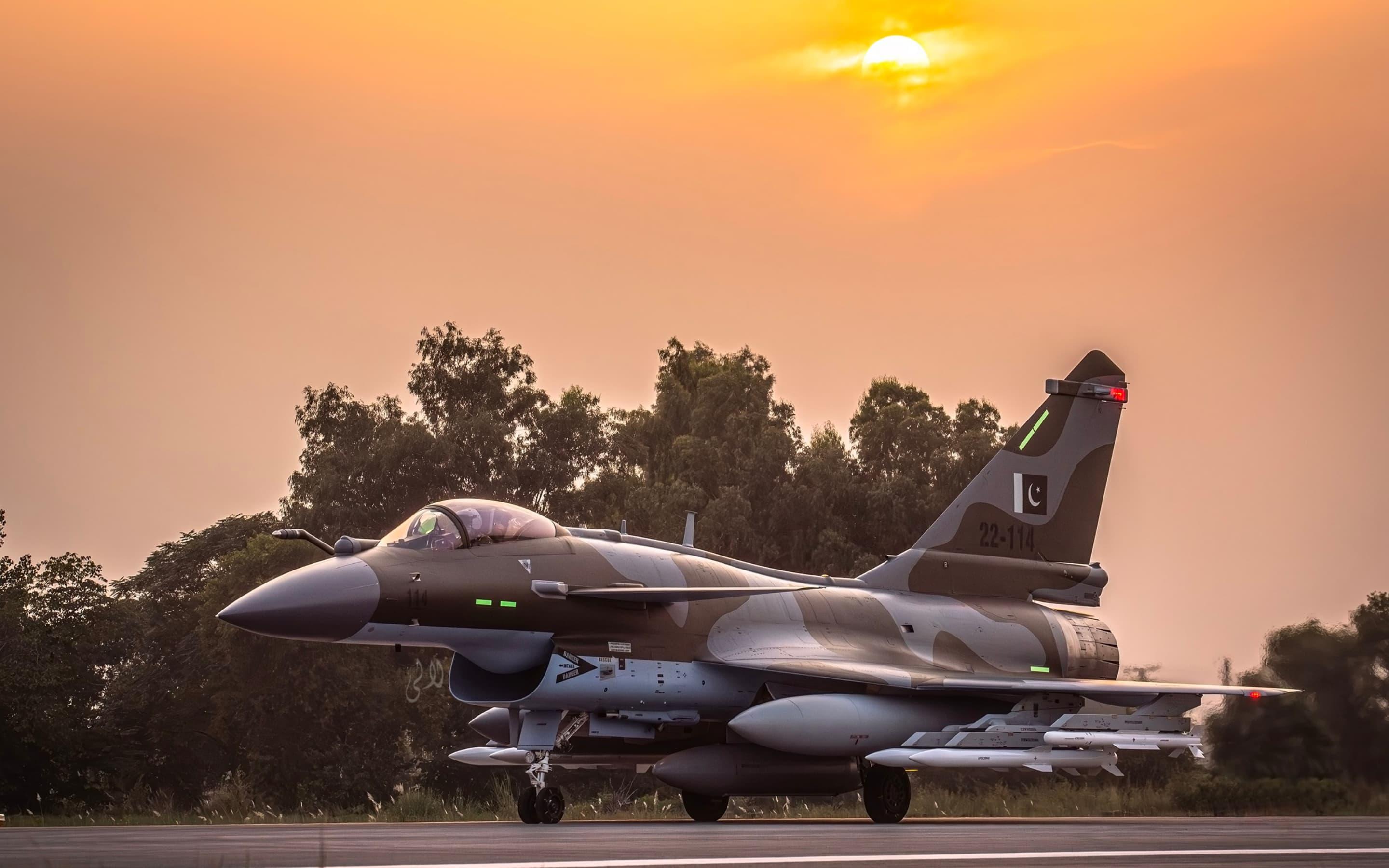
Recent reports from air exercises have sent shockwaves through defense circles. During the Zilzal-II exercises in Qatar, Pakistan Air Force J-10Cs reportedly achieved a staggering 9-0 score against Qatar’s Eurofighters. This wasn’t a victory over an obsolete fleet; Qatar operates some of the most advanced variants of the Eurofighter, including those equipped with the sophisticated Captor-E radar.
Breaking the Western Monopoly: The Allure of Diversification
Why are nations suddenly looking toward Beijing for their aerial defense? It isn’t just about the kill ratio in mock battles. It’s about strategic autonomy.

For many countries, purchasing Western hardware comes with a long list of “strings attached.” These can include strict end-user certificates, limitations on how the aircraft can be used, and the risk of sanctions or supply chain cuts if diplomatic relations sour. China offers a different value proposition: high-end capability with significantly fewer political restrictions.
Egypt is a prime example of this trend. By engaging in joint exercises like “Eagles of Civilisation” and eyeing the J-10C and the fifth-generation J-35, Cairo is signaling that it will no longer rely solely on traditional Western suppliers. When regional tensions rise—such as the ongoing instability in the Middle East—having a diversified arsenal is a survival strategy.
From Fourth to Fifth Generation: The Stealth Leap
While the J-10C is a powerhouse of the fourth-generation era, China isn’t stopping there. The global defense community is now closely monitoring the export potential of the J-35 and the J-20 stealth fighters.
The transition to stealth technology is the next frontier. Countries like Algeria, which already maintains one of Africa’s most well-funded air forces with a heavy reliance on Russian Su-30s, are viewed as prime candidates for these advanced platforms. With vast financial resources and a history of defense cooperation with China, Algeria represents a strategic gateway for Chinese aerospace dominance in Africa.
The shift is clear: the world is moving toward a multipolar arms market where performance is weighed against political flexibility.
The “Rafale Factor” and the New Competitive Landscape
The J-10C is now being compared directly to the French-made Rafale and the Eurofighter. These aircraft are broadly comparable in terms of role and capability. However, the reported performance of Pakistani J-10Cs in high-intensity engagements has altered the perception of “quality” in the eyes of prospective buyers.
If a Chinese-made jet can consistently hold its own—or win—against the best Europe has to offer, the prestige gap that previously protected Western exports vanishes. This forces Western manufacturers to either lower their prices or loosen their restrictive export policies to remain competitive.
For more on the evolution of stealth technology, check out our deep dive into the future of 6th generation fighter jets or explore the latest military developments in the Asia-Pacific region.
Frequently Asked Questions
In specific mock exercises, the J-10C has shown superior results, but “better” depends on the mission. The Eurofighter is optimized for high-altitude interception, while the J-10C offers exceptional agility and integrated electronic warfare capabilities.
Why is Egypt switching to Chinese jets?
Egypt is seeking to diversify its military partnerships to avoid over-reliance on any single nation and to bypass the capability restrictions often imposed on Western-supplied hardware.
What is the difference between the J-10C and the J-35?
The J-10C is a 4.5-generation multirole fighter. The J-35 is a 5th-generation stealth fighter, designed to be harder to detect on radar and capable of penetrating advanced air defenses.
Will China export the J-20 stealth fighter?
While not officially confirmed, analysts believe China may export the J-20 to a small number of highly trusted strategic partners, with Algeria being a frequently mentioned candidate.
What do you think? Is the era of Western air dominance coming to an end, or are these exercise results an anomaly? Let us know your thoughts in the comments below, or subscribe to our newsletter for weekly insights into the global defense landscape.