
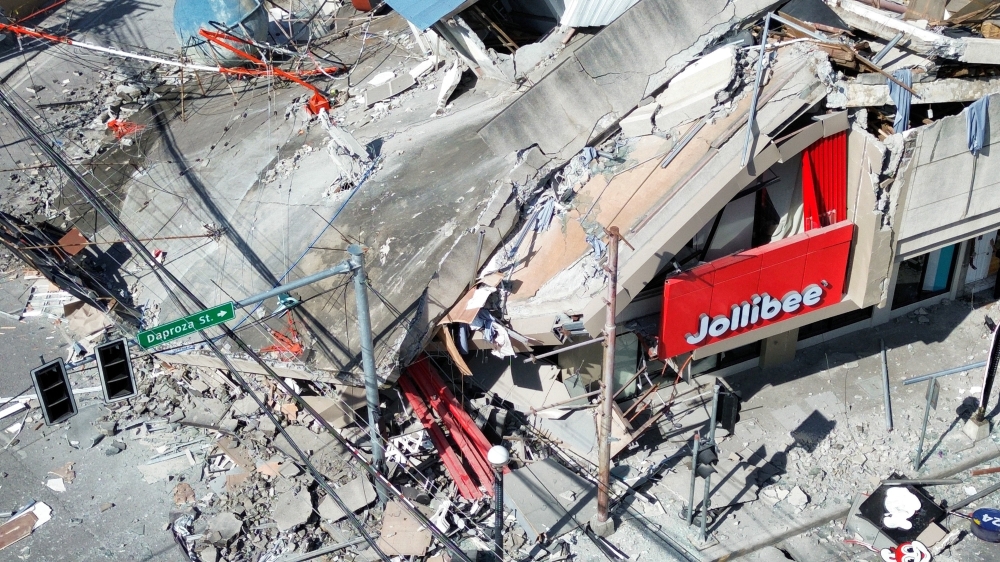
Death toll rises to 61 in Mindanao quake, dozens remain missing
The death toll from a magnitude 7.8 earthquake in the southern Philippines has risen to 61, according to the Office of Civil Defence (OCD). Search and rescue operations remain active across the Mindanao region as crews navigate damaged infrastructure to locate 33 missing individuals and assist 1,221 reported injured. The Disaster Response Operations Monitoring and Information Center (DROMIC) estimates 553,068 people have been affected by the disaster.
How is the Mindanao region managing the displacement crisis?
Displacement remains a primary concern as thousands of residents face a total or partial loss of housing. According to the Philippine Daily Inquirer, approximately 9,393 people are currently sheltered in official evacuation centres. A significantly larger group, numbering 54,274, has opted to stay with friends or relatives outside of government facilities. Initial damage assessments by local authorities indicate that 8,865 homes were destroyed, while an additional 36,691 structures sustained partial damage.
What challenges are hindering the recovery process?
Emergency response efforts are currently being complicated by the physical landscape of the region and the frequency of aftershocks. The OCD reports that search, rescue, and retrieval operations are slowed by unstable structures that pose risks to both survivors and responders. Furthermore, damaged road networks have isolated several communities, making it difficult for heavy equipment and medical supplies to reach the hardest-hit areas, such as General Santos City and parts of Sarangani province.
Why are states of calamity being declared?
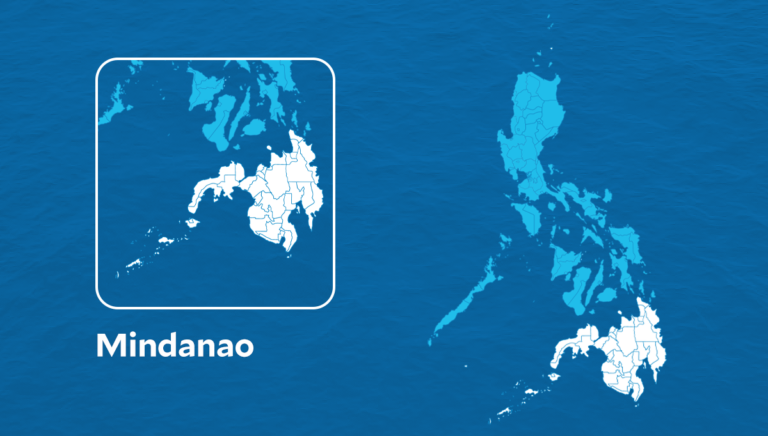
Local government units in General Santos City and Sarangani province have declared states of calamity to expedite the delivery of relief and recovery resources. This legal designation allows local leaders to access quick-response funds and implement price freezes on essential goods. By invoking these powers, officials aim to bypass standard procurement delays to provide immediate food, water, and shelter to the over 550,000 residents affected by the seismic event, as reported by DROMIC.
Frequently Asked Questions
What is the current death toll from the Mindanao earthquake?
As of June 13, the Office of Civil Defence reports 61 confirmed fatalities.
How many people were affected by the quake?
DROMIC reports that 553,068 people across the Mindanao region have been affected by the disaster.
Why are some survivors not in evacuation centres?
While 9,393 people are in official centres, over 54,000 survivors are staying with relatives and friends, according to the Philippine Daily Inquirer.
What is slowing down rescue operations?
Responders cite persistent aftershocks, damaged roads, and unstable building structures as the primary obstacles to reaching affected populations.
Support the recovery effort: If you are looking for ways to assist those affected by the crisis, please check with verified local charities or government agencies for guidance on current needs. Stay updated on future developments by subscribing to our emergency response newsletter or exploring our archive of disaster preparedness guides.