
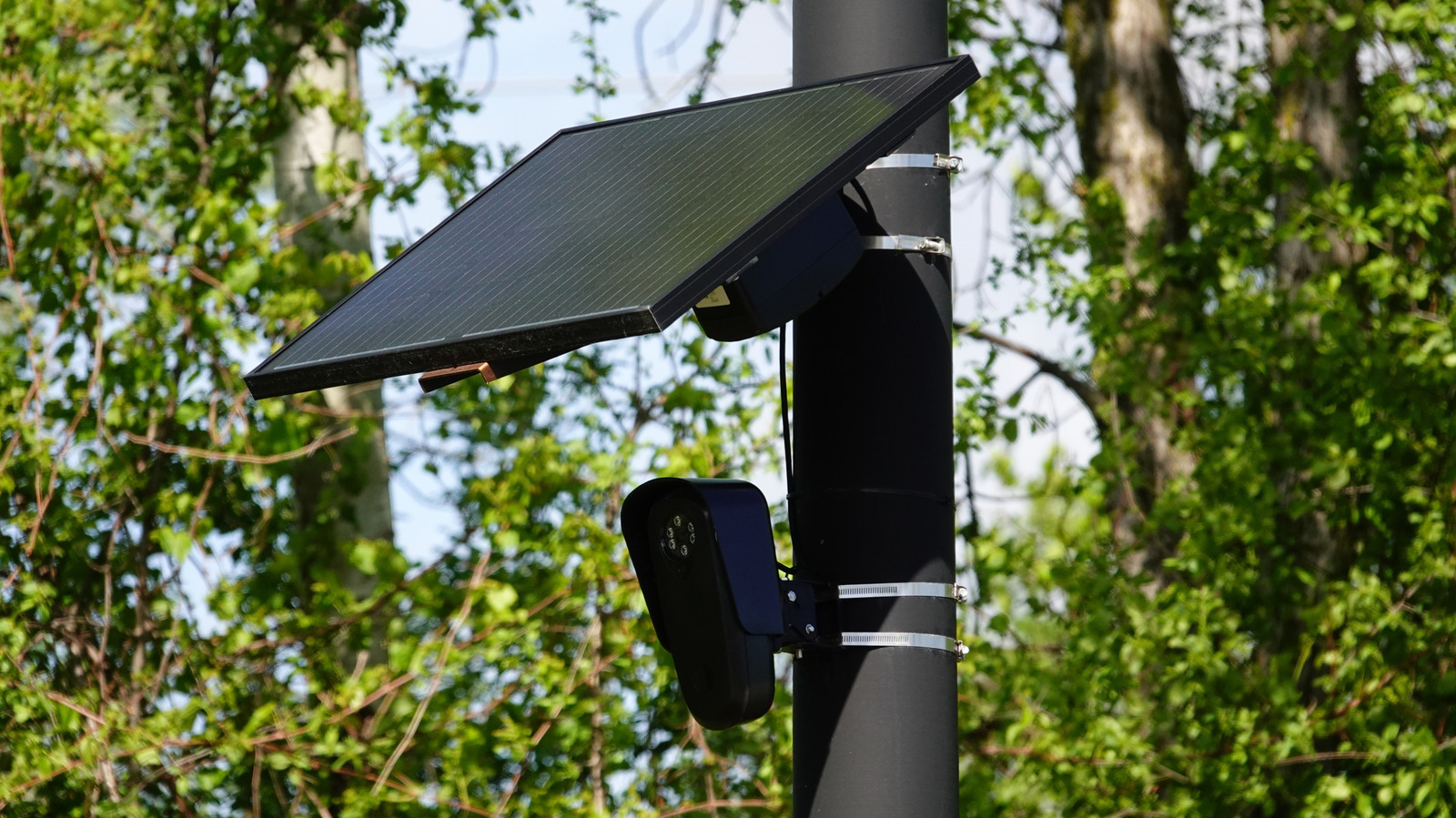
Deflock: The Free Tool to Avoid Flock AI Traffic Cameras
Deflock, a new open-source tool, allows drivers to identify and avoid Flock Safety’s automated license plate readers (ALPRs) by mapping their precise GPS locations via community data. This development follows the expansion of Flock’s network into 49 U.S. states and over 5,000 communities, where the system records more than 20 billion plate reads every month.
Why are ALPR networks expanding so rapidly?
Flock Safety reports that its technology connects over 4,800 law enforcement agencies. The company claims these tools help solve an estimated 700,000 crimes per year by capturing vehicle make, model, color, and license plate numbers.

The system doesn’t just read plates. It logs “identifiable vehicle traits,” according to the tool’s documentation, such as bumper stickers, custom add-ons, or specific dents. This allows law enforcement to track vehicles that may be missing plates or using obscured tags.
Flock maintains it does not engage in “mass surveillance.” However, the company has already begun integrating drones with high-powered cameras to extend its reach beyond fixed roadside installations.
How does Deflock help drivers avoid surveillance?
Deflock operates as a community-driven map. Users can search by zip code, city, or street address to find the exact placement of ALPRs. According to the app, clicking a map placement reveals the GPS coordinates, the mounting method, and the specific “zone” or goal of the camera.
The tool integrates with OpenStreetMap, providing a street-view perspective. This helps users determine which direction a camera faces and where it is most likely to capture imagery.
For those concerned about existing data, the platform offers a tool called “Have I Been Flocked?” where users enter their license plate information to see what data has already been collected on their vehicle.
What happens when public trust fails?
The rollout of ALPRs has faced significant resistance. Some communities have responded with “anti-surveillance vigilantism,” resulting in the physical destruction of traffic cameras. In several instances, Flock has removed cameras from cities because “public trust was strained.”
Corporate partnerships have also suffered. Smart home company Ring canceled its partnership with Flock Safety following public boycotts and backlash over surveillance concerns.
While Flock argues that license plate data isn’t “personal,” critics point out that plates are legally tied to registered owners. This creates a permanent digital trail of a person’s movements over time.
Will AI-driven surveillance move beyond the road?
The transition from static cameras to drones suggests a shift toward mobile, AI-driven tracking. By combining ALPR data with drone imagery, surveillance can move from checkpoints to active pursuit in real-time.

This shift creates a contrast in how the technology is framed. Flock positions the tools as crime-fighting assets, while the creators of Deflock frame them as tools for lifestyle profiling. The ability to log a “bumper sticker” or a “dent” suggests the system is moving toward “vehicle fingerprinting” rather than simple plate reading.
Frequently Asked Questions
What is an ALPR?
An Automated License Plate Reader is a camera system that uses optical character recognition to read vehicle plates and log them in a database.
Is Deflock legal to use?
Deflock is an open-source mapping tool that uses community-reported data to show the location of publicly visible cameras.
Can Flock cameras see more than license plates?
Yes. According to company data, they can identify vehicle color, make, model, and unique features like dents or stickers.
What do you think about the rise of community-mapped surveillance? Does knowing where these cameras are change how you drive? Let us know in the comments or subscribe to our newsletter for more updates on digital privacy.