

Despite Uncertainty Over Exclusivity, Xbox Will Still Show PS5 Logos at Showcase
The End of the Console War: Why Platform Logos Now Matter More Than Ever
For decades, the gaming industry was defined by “walls.” You were either a PlayStation person or an Xbox person. Exclusivity was the primary weapon used to drive hardware sales. But the wind is shifting. The recent confirmation that the upcoming Xbox Showcase will explicitly feature PS5 logos for certain titles marks a pivotal moment in the “ecosystem era” of gaming.
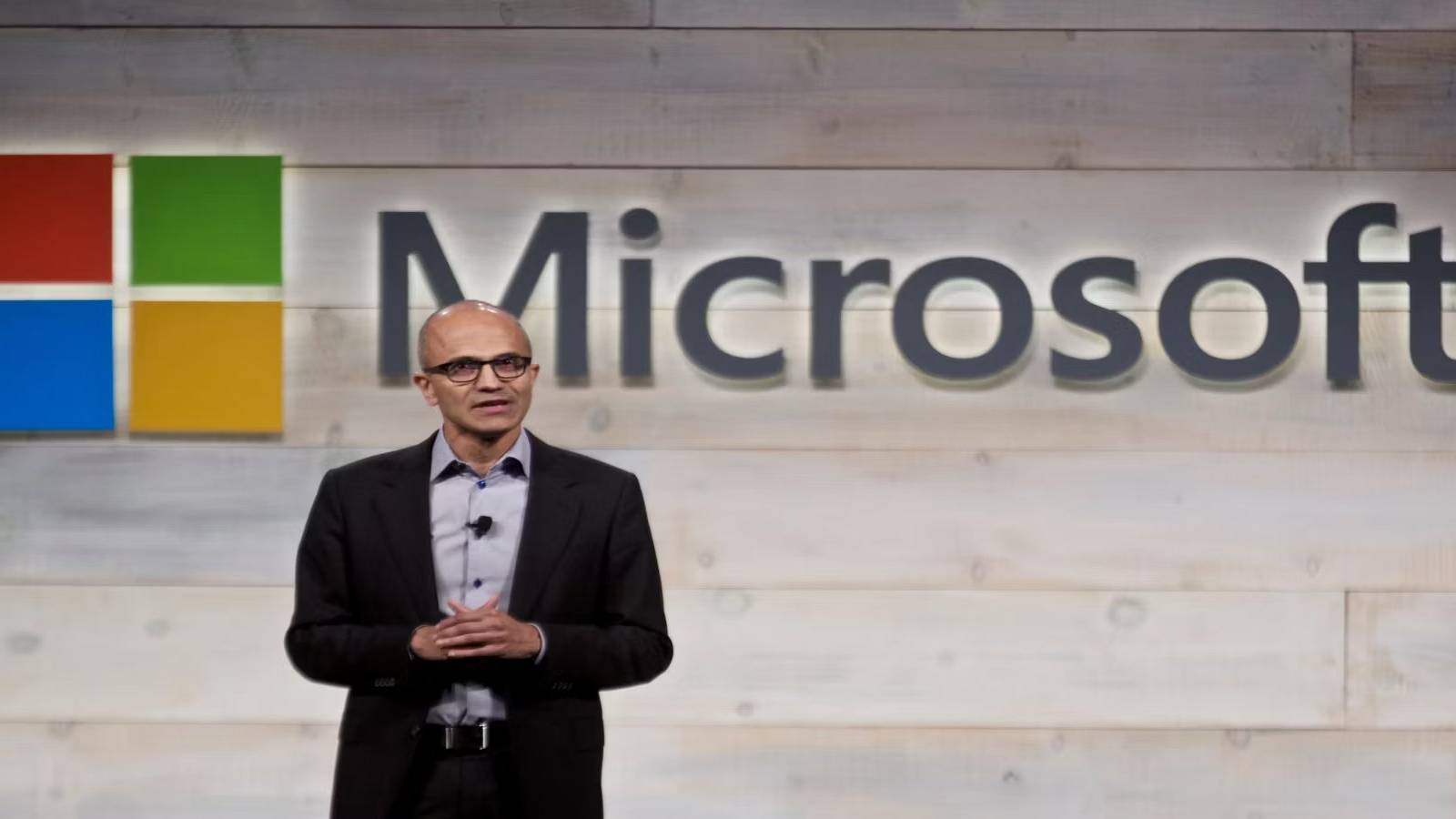
When Chief Content Officer Matt Booty emphasized that Microsoft intends to be “very clear” about which platforms a game is coming to, he wasn’t just talking about transparency. He was signaling a fundamental shift in how Microsoft views its software. By treating the PS5 logo not as a surrender, but as a distribution channel, Xbox is pivoting from a hardware-centric model to a content-centric one.
The “Crown Jewel” Strategy: Selective Exclusivity
While the presence of PS5 logos suggests a multiplatform future, the industry is moving toward what analysts call “Selective Exclusivity.” Not every game will make the jump. The real story often lies in the logos that aren’t there.
Take Gears of War: E-Day as a prime example. While Halo and Fable are crossing borders, the silence surrounding Gears suggests that Microsoft still recognizes the value of “crown jewel” exclusives. These are the titles used to maintain brand identity and provide a reason for enthusiasts to stay within the Xbox fold.
This hybrid approach allows publishers to maximize revenue from the massive PlayStation install base while maintaining a prestige layer of exclusivity that keeps the hardcore community engaged. This proves a balancing act between profit margins and brand loyalty.
Why This Matters for the Average Gamer
For the consumer, this trend is an absolute win. We are entering an era where the “best” version of a game is less about the console it’s on and more about the service it’s delivered through. Whether it’s through Xbox Game Pass or a direct digital purchase, the friction of choosing a platform is disappearing.
Beyond the Box: The Rise of the “Platform-Agnostic” Future
The conversation is shifting away from consoles entirely. The whispers surrounding “Project Helix” and the recent rebranding of the Xbox identity suggest that Microsoft is preparing for a world where the “console” is just one of many ways to access a game.
By focusing on the ecosystem rather than the hardware, Microsoft is mirroring the strategy used by giants like Netflix or Spotify. The goal is to ensure that whether you are on a PC, a handheld, a smart TV, or a competitor’s console, you are still interacting with an Xbox-published experience.
This shift is further evidenced by the integration of cloud gaming and the push for more flexible branding. The “XBOX” identity is becoming a seal of quality and a service provider, rather than just a piece of plastic under your TV.
FAQ: The Future of Xbox and PlayStation Exclusivity
Will all Xbox games eventually come to PS5?
Unlikely. While more games are going multiplatform, Microsoft will likely keep a small selection of “system sellers” exclusive to drive hardware and Game Pass subscriptions.
What does “day-and-date” mean?
It means the game releases on all supported platforms (Xbox, PS5, PC) on the exact same day, eliminating the waiting period for users on other consoles.
Is the “Console War” officially over?
In terms of business strategy, yes. The industry is moving toward an “ecosystem” model where software reach is prioritized over hardware dominance.
What’s your take on the “Logo Shift”?
Are you happy to see Halo and Fable on PS5, or do you think exclusivity is what makes gaming special? Let us know in the comments below or join our community newsletter for more deep dives into the future of gaming!