

Drag Experiences: Making a change by giving a makeover
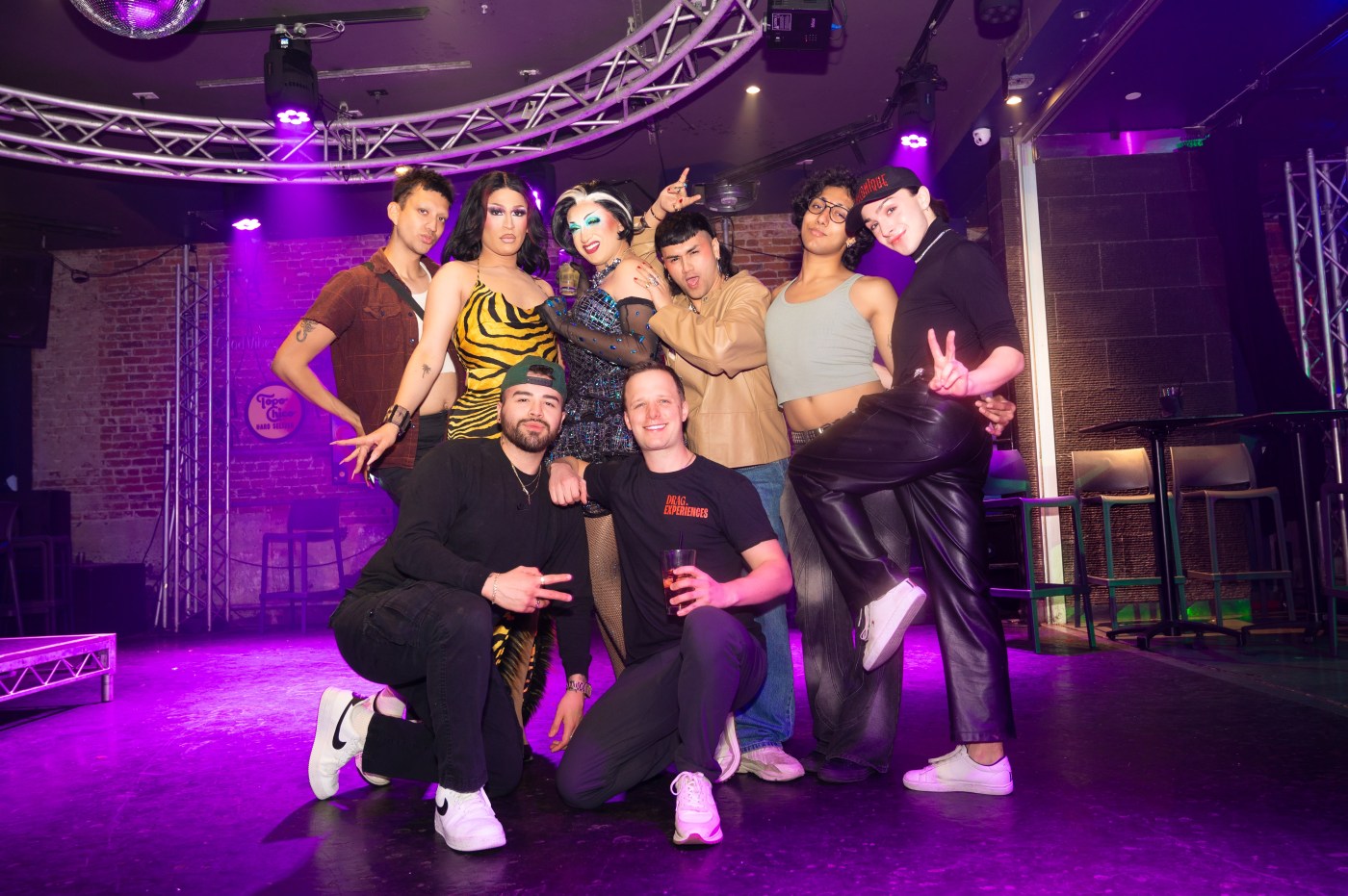
Justin Dorsen, founder of Drag Experiences, established his business nearly eight years ago after identifying a void in the New York City tourism market. By marrying his interest in tourism with the art of drag, he created a platform designed to celebrate queer culture while ensuring accessibility for all. Since 2018, the venture has expanded its footprint across the country, with locations now operating in New York City, Los Angeles, Chicago and Las Vegas.
The company provides immersive experiences, including drag-led bar crawls and professional makeovers. These offerings are intended to invite participants into the community, regardless of their background or experience level.
Responding to a Changing Corporate Climate
As Pride Month arrives this June, the organization is pivoting to address a shifting landscape in corporate philanthropy. Last year, nearly 25% of corporate donors reportedly pulled back funding for Pride-related events, citing concerns regarding potential retaliation from the current presidential administration. In response, Drag Experiences is launching an initiative to offer full drag makeovers to up to 100 executives, managers, and team leaders directly at their offices.
Dorsen noted that this project was inspired by the financial and logistical challenges faced by many of his clients, including budget cuts and the requirement of nondisclosure agreements to maintain professional partnerships. By bringing these experiences into the workplace, the team aims to reframe drag as a celebration of identity and an art form.
“In today’s climate, we just needed something fun right?” Dorsen said. “It’s a way to celebrate individual identity and to cut loose and have fun. So, leaders at the top are getting into drag. It shows a positive example from the top to the bottom of the organization.”
Building Connections Through Expression
Annie Vaxxer, a drag queen and makeup artist with the company, emphasized the role of these makeovers in fostering human connection. Vaxxer recalled a particularly impactful session with an individual from the Crosstrail Community Church who traveled to New York specifically for the experience. She noted that the encounter challenged her expectations, moving beyond the “silly” or “light” atmosphere she initially anticipated into a deeper exploration of gender expression.
“I think a lot of the bigotry and hatred we see in the world right now, a lot of it has come from denial itself,” Vaxxer said. “People who have suppressed their own expressions and sense of self, for whatever reason that may be. I think drag is all about accessing the higher self.”
Looking Ahead
While the current political climate poses challenges, including increased pressure through legislation and rhetoric, Dorsen remains focused on the visibility his events provide. He hopes that by engaging with these experiences, participants will view drag not as a threat, but as a positive, affirming practise.
Looking toward the future, the success of this corporate outreach could determine whether similar programming becomes a standard fixture for companies seeking to maintain their diversity and inclusion efforts. As the organization continues to operate, the emphasis remains on maintaining a presence that goes beyond the month of June.
“We’re using this as an opportunity to spotlight pride, but for us, pride is 365 days a year,” said Dorsen.
Frequently Asked Questions
What is the primary goal of the new corporate makeover initiative?
The initiative aims to provide executives and team leaders with a way to celebrate individual identity and foster fun in the workplace, particularly as a response to reduced corporate funding for Pride events.
Where can individuals participate in Drag Experiences events?
The business currently operates in New York City, Los Angeles, Chicago, and Las Vegas.
How does the organization view the current political climate regarding drag?
Founder Justin Dorsen has expressed concern regarding increased pressure through legislation and rhetoric, but he maintains that bringing people into the drag community through these experiences can help show that the art form is not a threat.
How do you believe corporate environments can best support the inclusion of diverse art forms like drag?