
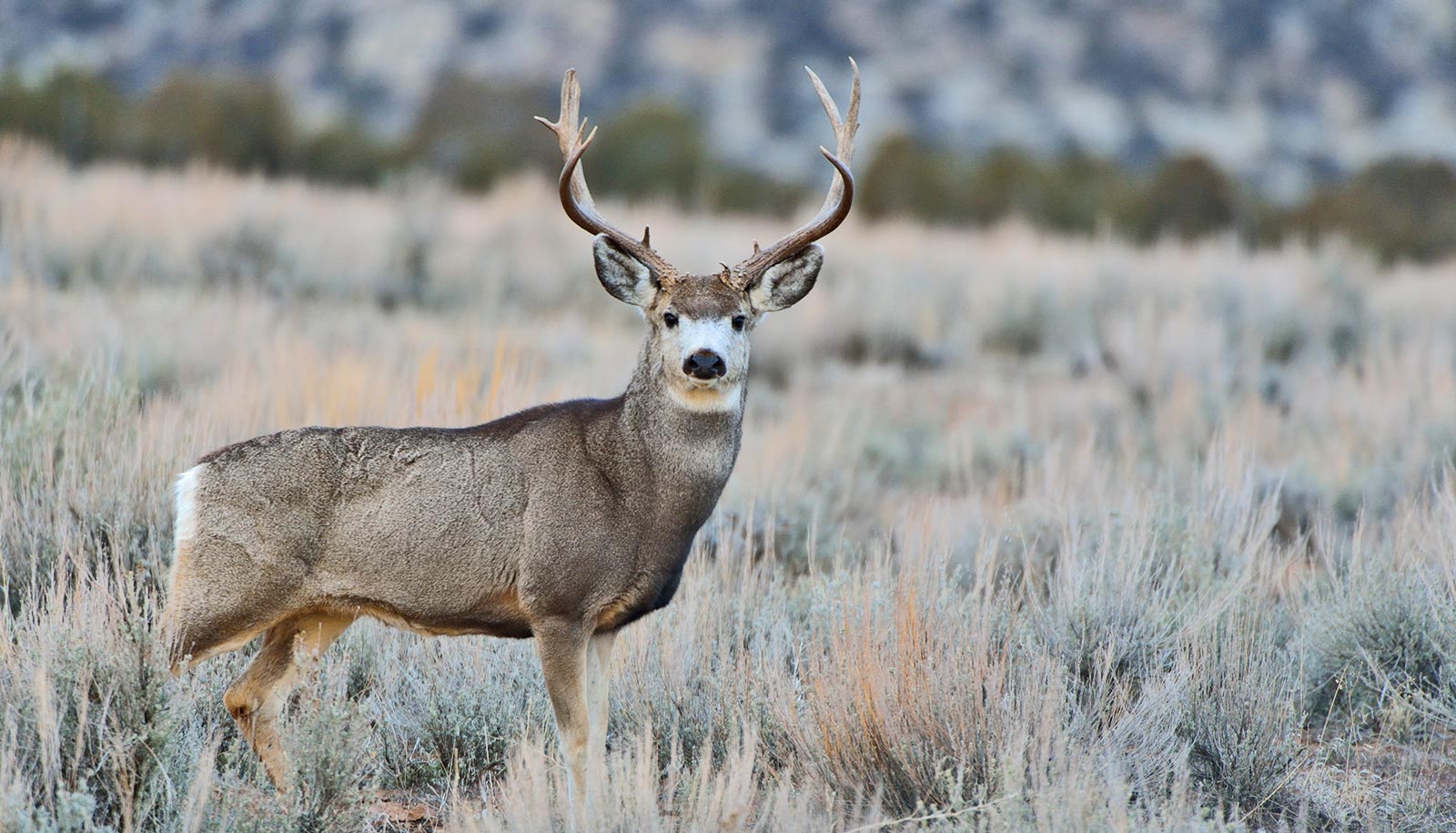
Drought Shrinks Wildlife Habitat in the Southwest US
As the United States grapples with historic drought conditions, the impact of extreme aridity is extending far beyond human infrastructure. New research published in the journal Communications Earth and Environment reveals that wildlife across the American Southwest is facing a significant contraction of suitable habitat, threatening the long-term stability of various species.
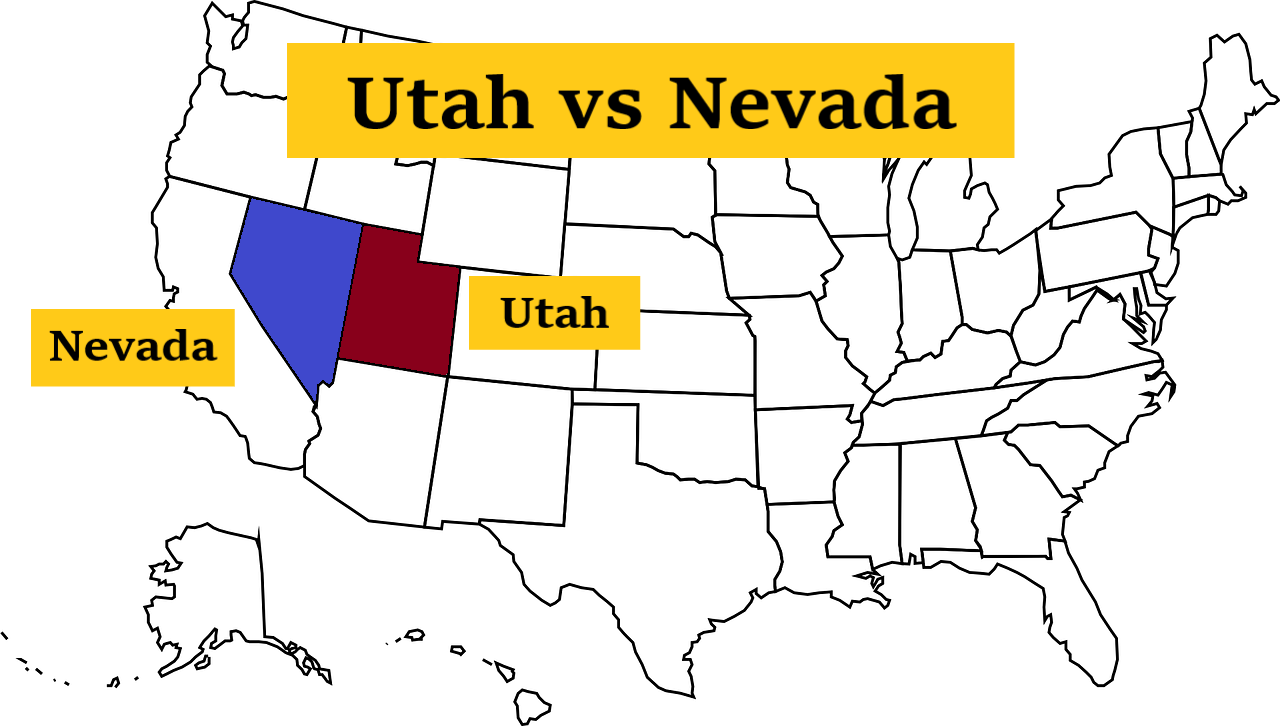
The study, which analyzed 12 years of data from over 3,000 animals, found that herbivores, omnivores and carnivores are all experiencing the consequences of a changing climate. By tracking mule deer, black bears, and cougars across a 200,000-square-mile range in Nevada and Utah, researchers determined that severe drought conditions lead to at least a 10% reduction in highly suitable habitat for each species.
The Amplification of Environmental Stress
While researchers initially anticipated that drought would most severely impact herbivores by killing off vegetation, the data revealed a more complex reality. The negative effects of drought appear to amplify as they move up the food web. While mule deer saw a 10% reduction in suitable habitat, black bears experienced a 14% reduction, and cougars faced an 18% decline.
Experts suggest that predators are more sensitive to these environmental shifts because they cannot simply adapt their diet to the remaining vegetation. Because cougars and other top predators exist in lower population densities, the loss of suitable habitat for individual animals may be felt more acutely at the community level.
Implications for Wildlife Fitness
The consequences of these habitat shifts extend to the biological fitness of the animals involved. Under extreme drought conditions, the number of new fawn mule deer per doe has been shown to decline by more than 30%. This suggests that the impact of drought is not merely spatial—This proves fundamentally affecting the survival and reproductive success of regional wildlife.
What May Happen Next
If drought conditions continue to intensify and occur more frequently, the persistence of these species could be at risk. Researchers suggest that the current lack of planning for wildlife vulnerability—compared to the more robust efforts to mitigate human vulnerability to climate change—may need to be addressed. A possible next step involves evolving conservation management to include broader, simultaneous planning for both prey and predator populations to ensure the resilience of the ecosystem.
Frequently Asked Questions
How does drought affect cougars differently than mule deer?
Cougars are more sensitive to drought because they cannot feed on vegetation like deer; they must work harder to find food, and their lower population density makes them more vulnerable to environmental changes at the community level.
What was the scope of the data used in this study?
The research analyzed 12 years of GPS collar data from more than 3,000 animals, including mule deer, black bears, and cougars, across a nearly 200,000-square-mile range in Nevada and Utah.
Does drought only affect where animals live?
No. The study indicates that drought also impacts the fitness and survival of wildlife, noting that the number of new fawns per doe can decline by more than 30% during periods of extreme drought.
How do you think regional conservation efforts should change to better account for the interconnected needs of predator and prey species?