

Elden Ring Nintendo Switch 2: Release Rumors and Performance Expectations
The Evolution of Portable Gaming: Can the “Switch 2” Handle Next-Gen Giants?
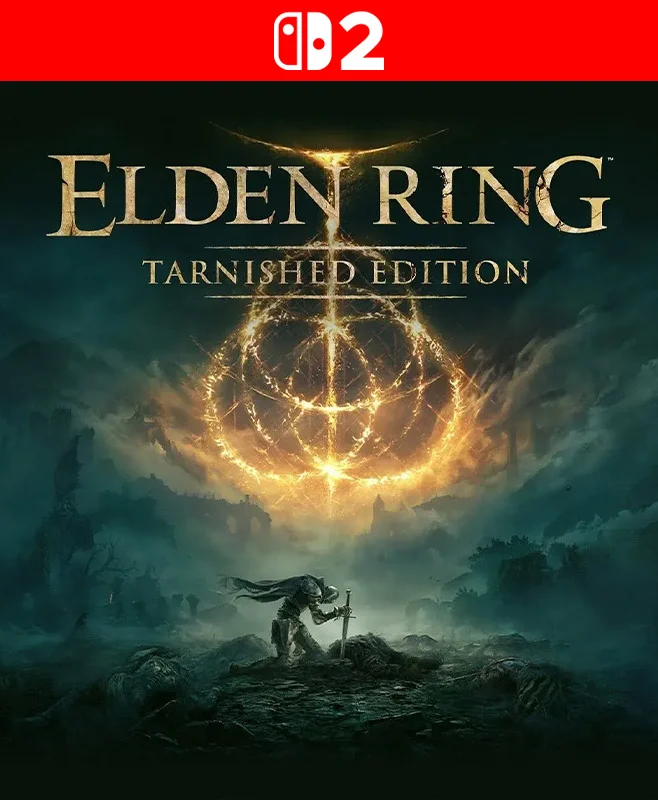
The gaming industry is currently gripped by a singular, persistent rumor: the arrival of Nintendo’s successor to the Switch. While hardware specs are being debated in every forum, the most intriguing conversation isn’t about teraflops—it’s about software. Specifically, whether massive, open-world masterpieces like FromSoftware’s Elden Ring can finally make the jump to a hybrid handheld platform.
For years, the “Switch tax”—the compromise in performance required to play AAA titles on the go—has been a reality. However, as mobile hardware architecture closes the gap with home consoles, that barrier is beginning to crumble.
Why AAA Titles Are Betting Big on Hybrid Hardware
The success of titles like The Witcher 3: Wild Hunt and Hogwarts Legacy on Nintendo’s current hardware proved that gamers value portability over raw graphical fidelity. With over 25 million copies of Elden Ring sold globally, the incentive for publishers like Bandai Namco to tap into the massive, dedicated Nintendo audience is undeniable.

The “Lands Between” is a massive, seamless map. Porting such a game requires advanced streaming technology, which is why the rumored inclusion of NVIDIA DLSS (Deep Learning Super Sampling) in the next Nintendo console is a game-changer for the industry.
The Technical Leap: How DLSS Changes Everything
The primary hurdle for bringing next-gen titles to portable devices has always been the trade-off between battery life and rendering power. The rumored integration of NVIDIA’s DLSS technology into the upcoming Nintendo hardware could solve this by using AI to upscale images, allowing the console to output 4K visuals while rendering at a much lower, power-efficient resolution.
This shift isn’t just about Elden Ring; it signals a broader trend where the line between “mobile” and “home” gaming platforms is becoming invisible. Developers are no longer forced to build separate versions of their games; they can now optimize a single build to scale across a wider range of hardware.
What to Expect: The “Definitive” Portable Experience
If a port of a game of this scale were to manifest on a next-gen hybrid console, we would likely see a “Definitive Edition” package. This would bundle the base game with expansions like Shadow of the Erdtree, providing a complete, high-value experience for new players.
| Feature | The Hybrid Advantage |
|---|---|
| Portability | Play massive open-world RPGs during commutes. |
| AI Scaling | DLSS allows for higher frame rates without draining the battery. |
| Hybrid Play | Seamless transition from handheld to 4K TV docking. |
If you are planning to play massive open-world titles on future handhelds, invest in high-speed, high-capacity microSD cards. Next-gen ports will likely require significant storage to maintain fast asset streaming.
Frequently Asked Questions (FAQ)
Q: Will Elden Ring run at 60 FPS on a portable console?
A: While 30 FPS is more likely for stability, advanced upscaling technology could allow for performance modes targeting 60 FPS in less demanding areas.
Q: Can I carry over my save files from PC or PS5?
A: Cross-progression remains rare for FromSoftware titles, but as the industry moves toward cloud-based ecosystems, Here’s a feature many fans are pushing for.
Q: Will the battery drain instantly?
A: Modern mobile chipsets are significantly more power-efficient. Expect 2–4 hours of intense gameplay, similar to high-end handheld PCs like the Steam Deck.
Join the Conversation
Do you think the future of gaming lies in hybrid consoles, or will dedicated home hardware always be necessary for the best experience? Share your thoughts in the comments below, or subscribe to our newsletter for the latest updates on console rumors and gaming trends.