

Exploring Macquarie Island: A Sub-Antarctic Wildlife Paradise
Macquarie Island, a UNESCO World Heritage site, serves as a critical case study for sub-Antarctic conservation. While the island achieved a pest-free status in 2014, current reports from visitors and rangers highlight a persistent threat from ocean-borne plastic pollution affecting king penguin populations despite the island’s extreme remoteness.
Why is Macquarie Island a model for wildlife recovery?
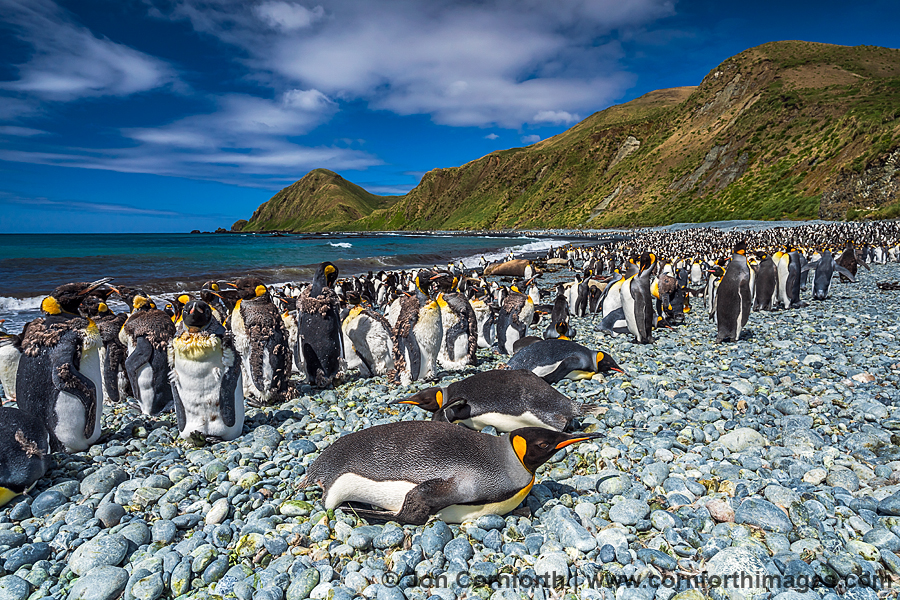
Macquarie Island has transitioned from a site of industrial slaughter to a protected sanctuary. According to reports from digital editor Craig Platt, the island now supports more than 1.5 million king and royal penguins and 80,000 elephant seals.

This recovery follows a series of aggressive conservation milestones. The Tasmanian government declared the island a protected area in 1933, and it later joined the UNESCO World Heritage list in 1997. A critical turning point occurred in 2014 when a successful eradication program removed goats, cats, and rats, rendering the island entirely pest-free.
Did you know? In the early 1900s, “digesters”—giant pressure cookers—were used to extract oil from penguins. These devices could process up to 1,000 penguins per day.
How does plastic pollution reach remote sub-Antarctic islands?
Ocean currents transport human waste to the most isolated regions of the planet. During a recent expedition, Craig Platt observed a king penguin with a plastic ring, similar to a bottle seal, stuck around its upper beak.
A ranger from the Tasmanian Parks and Wildlife Service (TPWS) noted that significant amounts of plastic wash up on the island’s beaches. This indicates that geographical isolation does not protect wildlife from anthropogenic waste. The removal of the ring required a coordinated effort between Heritage Expeditions crew and TPWS rangers using a net to secure the animal.
What is the future of expedition travel in protected zones?
The shift toward “low-impact” tourism is evident in the operational protocols of companies like Heritage Expeditions. Current guidelines require visitors to maintain a five-meter distance from wildlife to prevent stress to the animals.
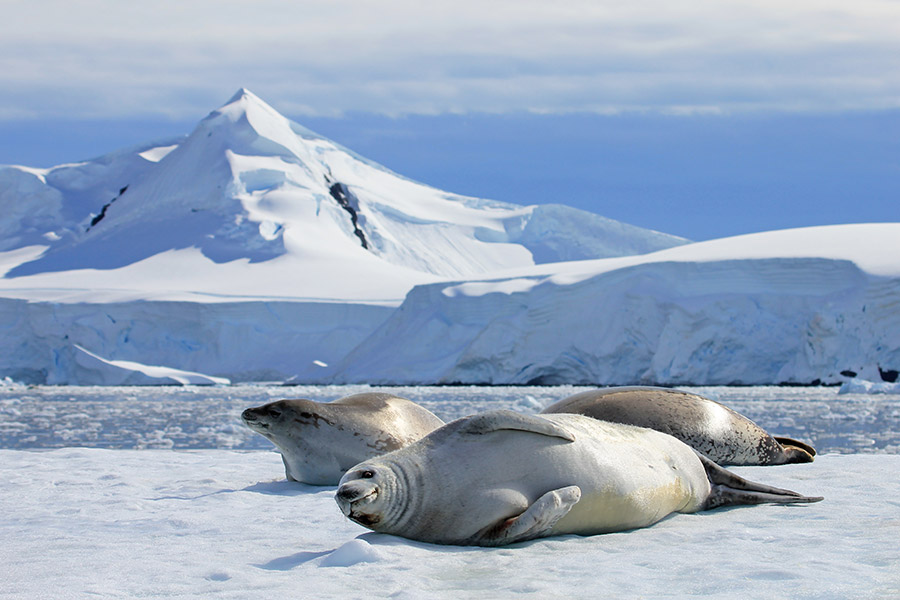
This modern approach contrasts sharply with the island’s history. Discovered in 1810 by sealer Frederick Hasselborough, the island was once a hub for the sealing and penguin oil industries. The transition from extraction to observation reflects a broader trend in global travel toward conservation-led expeditions.
Pro Tip: When visiting UNESCO sites, always follow the “Leave No Trace” principles. Even small pieces of debris can be fatal to sub-Antarctic wildlife.
Comparison: Historical Exploitation vs. Modern Conservation
| Era | Primary Activity | Impact on Wildlife |
|---|---|---|
| Early 1900s | Oil extraction (Digesters) | Mass slaughter of penguins/seals |
| Post-2014 | Eco-tourism & Research | Pest-free recovery & protection |
How are invasive species managed on sub-Antarctic islands?
The 2014 eradication program on Macquarie Island is a benchmark for island restoration. By removing non-native predators and competitors, the TPWS allowed native penguin and seal populations to reclaim their breeding grounds.
However, the lack of fur seals remains a permanent scar of historical activity. According to Platt, fur seals were completely wiped out by sealers 130 years ago and have never returned to the island, demonstrating that some ecological losses are irreversible despite modern protections.
For more on sustainable travel, see our Guide to Ethical Wildlife Tourism or visit the UNESCO World Heritage Centre.
Frequently Asked Questions
When did Macquarie Island become a protected area?
The Tasmanian government declared it a protected area in 1933.
What is the current human population of the island?
The only residents are staff from the Bureau of Meteorology and the Tasmanian Parks and Wildlife Service (TPWS) based on a northern isthmus.
Why are there no fur seals on Macquarie Island?
Fur seals were hunted to extinction on the island by sealers approximately 130 years ago.
Join the Conversation
Does the presence of plastic in remote areas change how you view sustainable travel? Share your thoughts in the comments below or subscribe to our newsletter for more insights on global conservation.