
FIFA World Cup 2026: Match Schedule and Previews
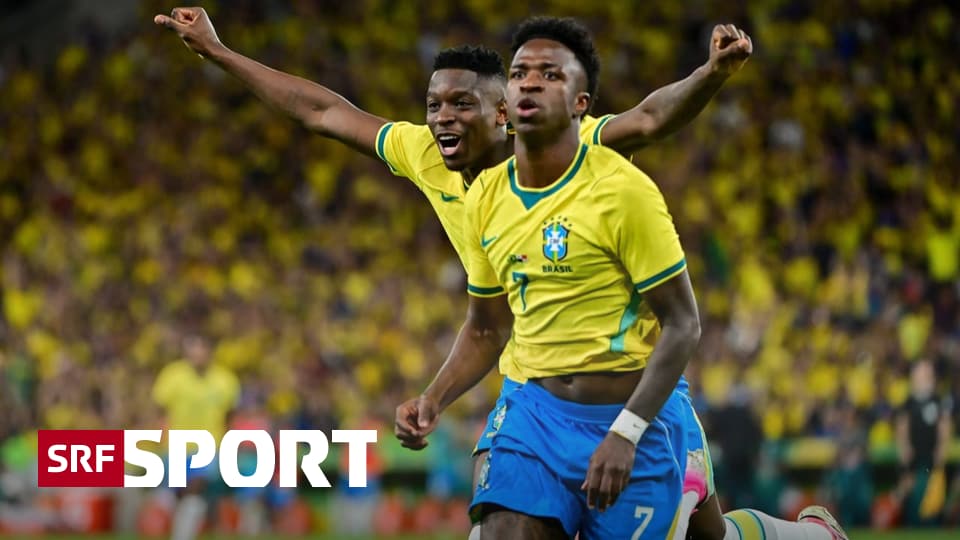
The 2026 FIFA World Cup marks a shift toward massive tournament expansion, utilizing high-capacity stadiums across the U.S. and Canada. According to SRF, the opening schedule features diverse matchups including Switzerland versus Qatar in San Francisco and Brazil versus Morocco in New York, highlighting the tournament’s broadened geographic and competitive reach.
How is the 2026 World Cup changing football’s global footprint?
The 2026 tournament utilizes a sprawling North American infrastructure to accommodate a larger field of teams. Match venues range from the San Francisco Bay Area Stadium (71,000 capacity) to the New York-New Jersey Stadium (82,500 capacity), according to SRF data. This shift suggests a future where “mega-events” are distributed across multiple time zones and cities to maximize commercial reach.
This geographic spread forces teams to adapt to extreme travel and varied climates. For instance, the schedule moves from the U.S. East Coast in Boston to the Canadian West Coast at BC Place in Vancouver. This logistical complexity becomes a tactical factor for coaching staffs managing player recovery.
Why are non-traditional football powers becoming more competitive?
The gap between elite “powerhouse” nations and emerging teams is closing. SRF reports that Morocco, which reached the semi-finals four years ago in Qatar, is now viewed as a “real litmus test” for a team as storied as Brazil. This indicates a trend where tactical discipline and professionalized scouting in Africa and Asia are neutralizing the raw talent advantage of South American giants.

Similarly, the matchup between Turkey and Australia reflects a tightening of the FIFA rankings. Turkey (rank 22) faces Australia (rank 27), a marginal difference that makes “on-paper” favorites less certain. SRF notes Turkey’s recent form—eight games without a loss since last September—as a key indicator of this rising consistency.
For more on how squad depth impacts tournament longevity, see our guide on modern sports science and recovery.
What does the “global coach” trend mean for team success?
National teams are increasingly hiring elite foreign managers to implement specific tactical philosophies. According to SRF, Qatar is led by Spaniard Julen Lopetegui, Turkey is coached by Italian Vincenzo Montella, and Brazil is under the guidance of Italian Carlo Ancelotti.
This trend suggests that national identity in football is becoming secondary to tactical systems. Teams are no longer relying on domestic coaching schools but are instead importing “proven” systems from Europe’s top leagues to bridge the gap against elite opposition.
Comparing the 1998 and 2026 Dynamics
The evolution of the game is evident when comparing historical matchups to current projections. In 1998, Brazil secured a comfortable 3-0 victory over Morocco, SRF notes. In 2026, that same matchup is framed not as a foregone conclusion, but as a competitive clash between two high-quality sides.

| Metric | 1998 Context | 2026 Context |
|---|---|---|
| Brazil vs. Morocco Result/Outlook | 3-0 Brazil Win | Competitive “Litmus Test” |
| Haiti Participation | Absent | First appearance in 52 years |
| Tournament Scale | Single Host (France) | Multi-Country (USA/Canada) |
FAQ: World Cup 2026 Trends
Which teams are considered the biggest underdogs in the early stages?
Haiti is identified as the outsider in their match against Scotland, though SRF reports they aim to make the game as difficult as possible for the Scots.
How has the role of the manager changed in international football?
There is a move toward hiring high-profile international coaches, such as Carlo Ancelotti for Brazil and Vincenzo Montella for Turkey, to bring elite club-level tactics to the national team.
Where are the 2026 matches being played?
Games are spread across North America, including venues in San Francisco, New York/New Jersey, Boston, and Vancouver.
Who do you think will be the surprise package of the 2026 tournament?
Share your predictions in the comments below or subscribe to our newsletter for more deep dives into global football trends.