
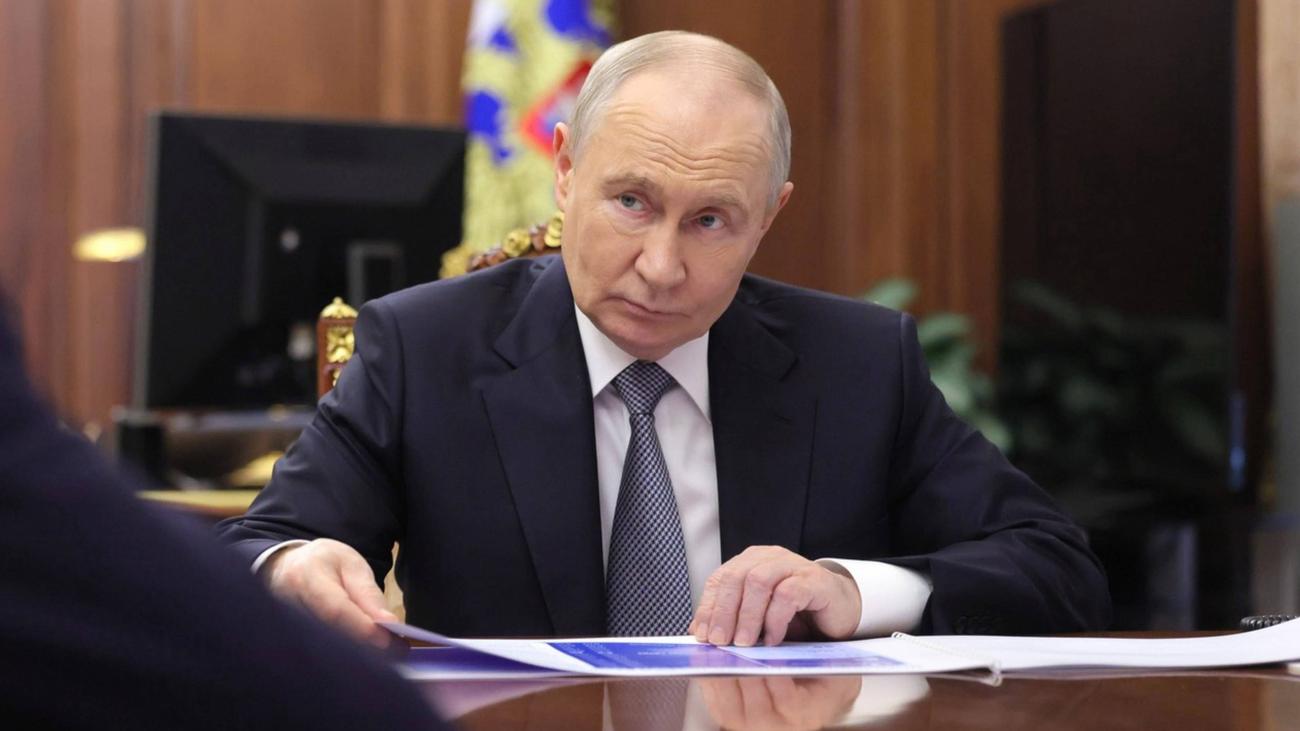
Germany Prepares for Potential Diplomatic Talks With Russia and Vladimir Putin
The Quiet Shift: Why European Diplomacy with the Kremlin is Back on the Table
For years, the consensus among Western leaders was clear: diplomacy with Vladimir Putin was a non-starter. The strategy was centered on containment, sanctions, and unwavering support for Kyiv. However, as the geopolitical landscape shifts and the economic toll of a protracted conflict mounts, the silence in the corridors of power is being replaced by hushed, urgent discussions.
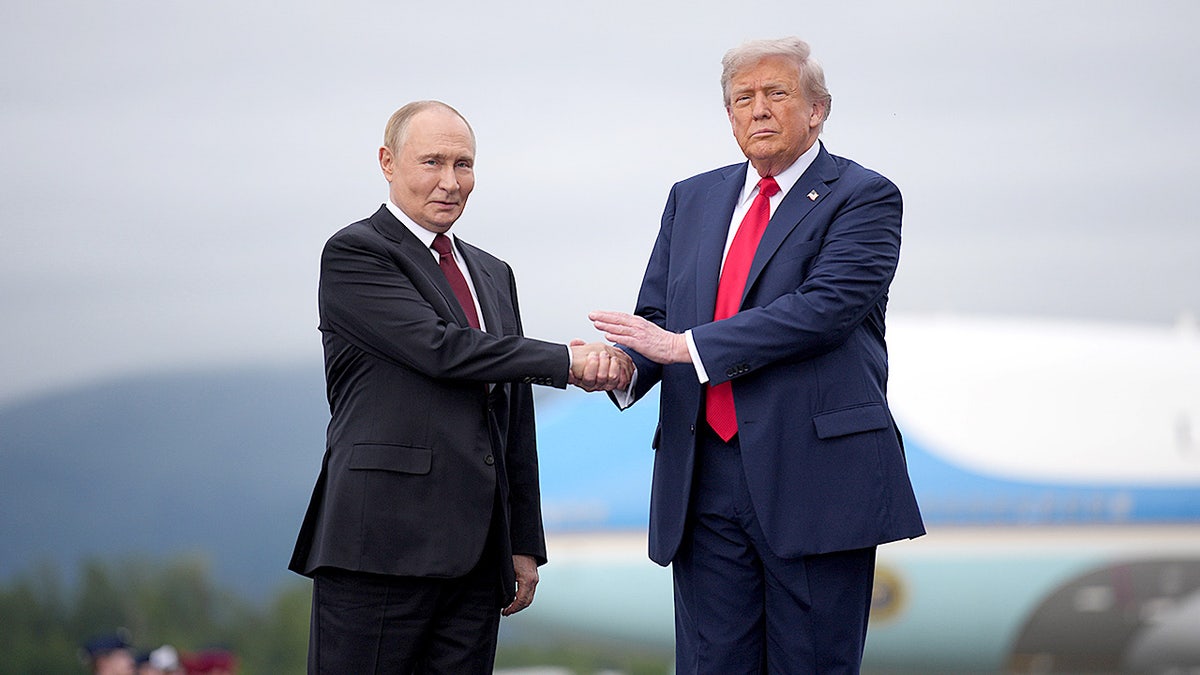
Behind the scenes, the German Chancellery and its European counterparts are moving from a stance of total isolation toward a more calculated, pragmatic approach. This isn’t necessarily a pivot toward appeasement, but rather an acknowledgment that even the most hardened conflicts eventually require a seat at the negotiating table.
The Geopolitical Calculus: Why Now?
The shift is driven by a complex mix of internal pressure and changing battlefield realities. While Ukraine has demonstrated remarkable resilience, the long-term economic sustainability of the war remains a critical question for both sides. For Moscow, the domestic cost of the conflict—manifesting in inflation, labor shortages, and industrial strain—is no longer just a hypothetical risk. it is a mounting reality.
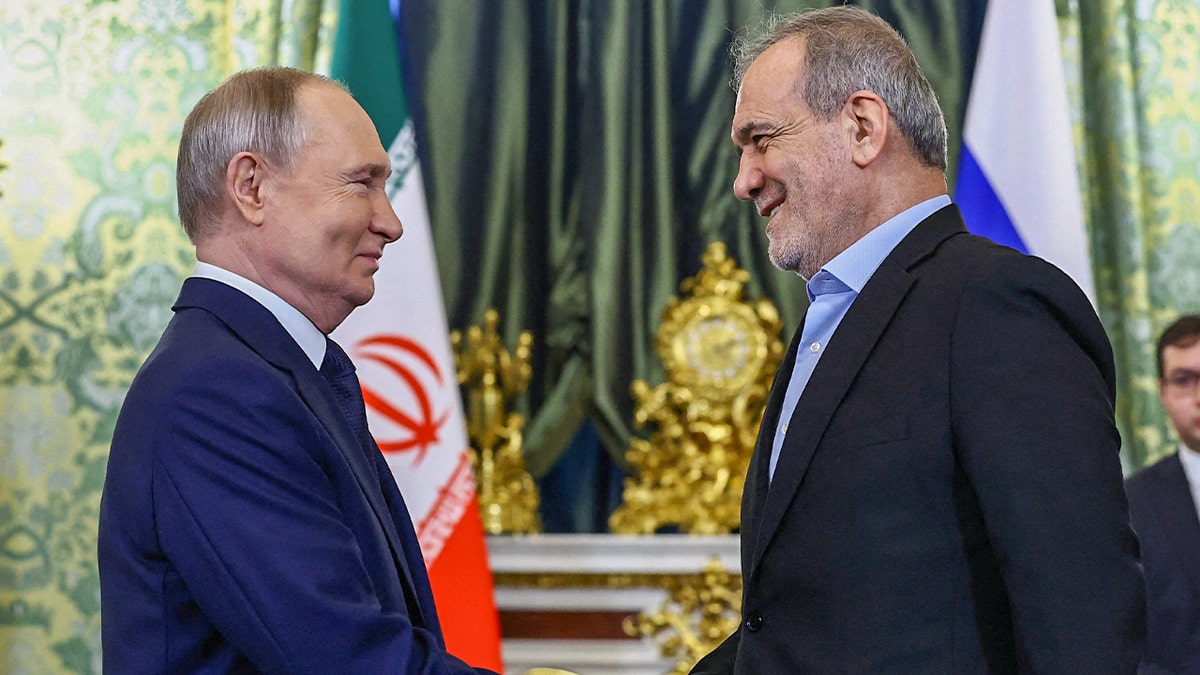
In Europe, the political appetite for an endless war is being tested. With elections looming and domestic economic concerns taking center stage, leaders are under pressure to show that they have a strategy for peace, not just a strategy for supply lines. As geopolitical analysts often note, the strongest position for negotiation is built when you have leverage—a principle that both Berlin and Paris are now seeking to apply.
The Role of Intermediaries and the “Merkel Factor”
The mention of former Chancellor Angela Merkel and even Gerhard Schröder in recent diplomatic circles highlights the search for “credible” intermediaries. While these names may spark controversy, they represent a desire for voices who understand the specific language of Kremlin power dynamics.
The goal is to create a multi-layered negotiation framework. This would ideally involve:
- The European Core: France and Germany acting as the primary diplomatic anchors.
- The Transatlantic Bridge: Ensuring the US remains aligned to prevent a fracturing of the Western alliance.
- The Ukrainian Perspective: Ensuring that sovereignty and long-term security guarantees remain the bedrock of any deal.
The Economic Cost of Protracted Conflict
Data from recent international financial reports suggest that Russia’s economy is increasingly showing signs of “war-induced fatigue.” While the country has pivoted toward a war-time economy, the lack of high-tech imports and the flight of human capital are creating a long-term deficit that even high commodity prices cannot fully mask.
Frequently Asked Questions (FAQ)
Is Germany planning to abandon Ukraine?
No. The current diplomatic maneuvering is aimed at finding a framework for future negotiations, not a withdrawal of support. The goal is to secure a sustainable peace that respects international law.
Why are back-channel talks so important?
Back-channel diplomacy allows leaders to test the waters without the pressure of public scrutiny, making it easier to identify potential compromises before a formal, high-stakes summit takes place.
What is the biggest hurdle to peace?
The primary hurdle remains the fundamental disagreement over territorial integrity and security guarantees. Bridging the gap between these two irreconcilable positions is the central challenge of modern European diplomacy.
What do you think? Is a diplomatic solution possible in the current climate, or is it premature to talk to the Kremlin? Share your thoughts in the comments section below, or subscribe to our weekly intelligence brief for more deep dives into European security.