

GoDaddy Stock: Strong Earnings Drive Increased Institutional Interest
GoDaddy’s Strategic Pivot: Why Institutional Investors Are Taking a Fresh Look
In the fast-paced world of digital infrastructure, few companies occupy as critical a niche as GoDaddy. Recently, the company has found itself back in the spotlight, not just for its ubiquitous domain registration services, but for a fundamental shift in how it balances massive scale with profitability. With institutional heavyweights like the South Korean National Pension Service adjusting their positions, the market is asking: Is GoDaddy finally becoming the “set-it-and-forget-it” infrastructure play for the small business economy?
The Engine Behind the Growth: Recurring Revenue vs. Commodity Services
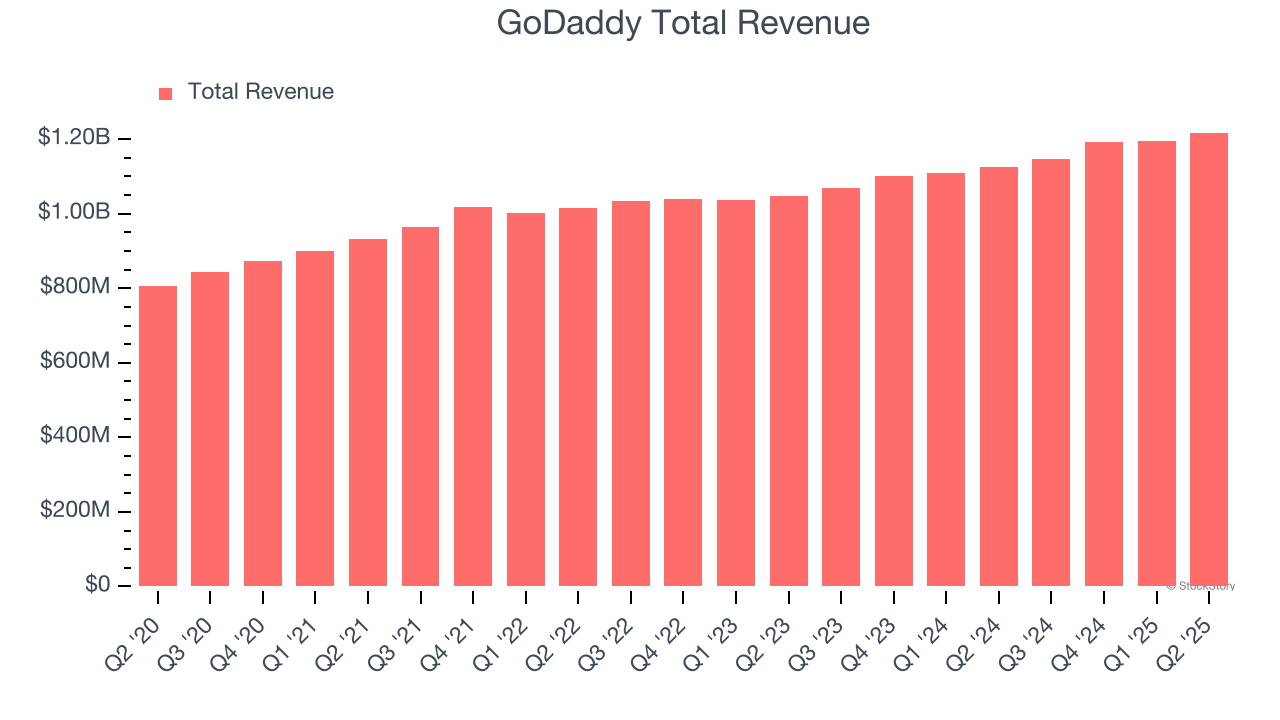
GoDaddy’s recent performance—boasting revenue growth north of 6% and earnings that consistently beat analyst expectations—isn’t just a byproduct of selling more URLs. It is the result of a calculated transition toward higher-margin, recurring revenue streams. By embedding commerce tools, website builders, and automated hosting pipelines into their core offering, they’ve moved from being a utility provider to a business-critical partner for SMBs.
The technical reality is that modern hosting isn’t just about uptime; it’s about automated deployment pipelines and robust monitoring stacks. When a company manages millions of domains, the ability to scale without increasing headcount proportionally is the ultimate competitive advantage. This operational efficiency is exactly what institutional investors are tracking.
Security as the New Frontier of Infrastructure
The days when a hosting provider could simply offer a dashboard and call it a day are long gone. Today, the battleground has shifted to platform security and identity management. For small businesses, the cost of a compromised domain or a hijacked account is existential.
GoDaddy’s focus on hardening its infrastructure—through improved TLS lifecycle management and advanced threat detection—is a direct response to this demand. Investors are no longer just looking at user growth; they are auditing the company’s ability to defend against sophisticated cyber threats. Reliability is the new currency of the web.
Did You Know?
Over 70% of small businesses cite “digital security” as their primary concern when choosing a hosting partner. This shift is driving the industry toward integrated “Security-as-a-Service” models rather than standalone hosting packages.
Market Positioning in a Shifting Economic Climate
Unlike massive, complex cloud platforms that require dedicated DevOps teams, GoDaddy’s “all-in-one” approach remains highly attractive for the SMB segment. During economic downturns, businesses prioritize consolidation. If a shop owner can manage their domain, website, and payment processing under one bill, they are less likely to churn.
This “middle-ground” strategy creates a moat that is difficult for pure-play cloud providers to penetrate. Institutional interest, evidenced by recent SEC filings, suggests a belief that GoDaddy is well-positioned to maintain cash flow stability even if the broader tech market faces headwinds.
Frequently Asked Questions (FAQ)
Q: Why are institutional investors suddenly interested in GoDaddy?
A: Institutional investors are tracking the company’s improved profit margins and its successful pivot toward high-margin commerce and security services, which provide more predictable, recurring cash flows.
Q: How does GoDaddy differentiate itself from major cloud providers?
A: While cloud giants focus on enterprise developers, GoDaddy simplifies the digital lifecycle for non-technical small business owners, offering a “one-stop-shop” that is easier to manage, and scale.
Q: Is GoDaddy’s stock a long-term play?
A: For investors looking for steady, infrastructure-backed growth, the company’s focus on operational efficiency and platform security makes it a compelling candidate for a diversified portfolio.
What’s your take on the future of web infrastructure? Are you prioritizing ease-of-use or deep technical control for your business? Share your thoughts in the comments below or subscribe to our weekly newsletter for more deep-dives into the tech market.