
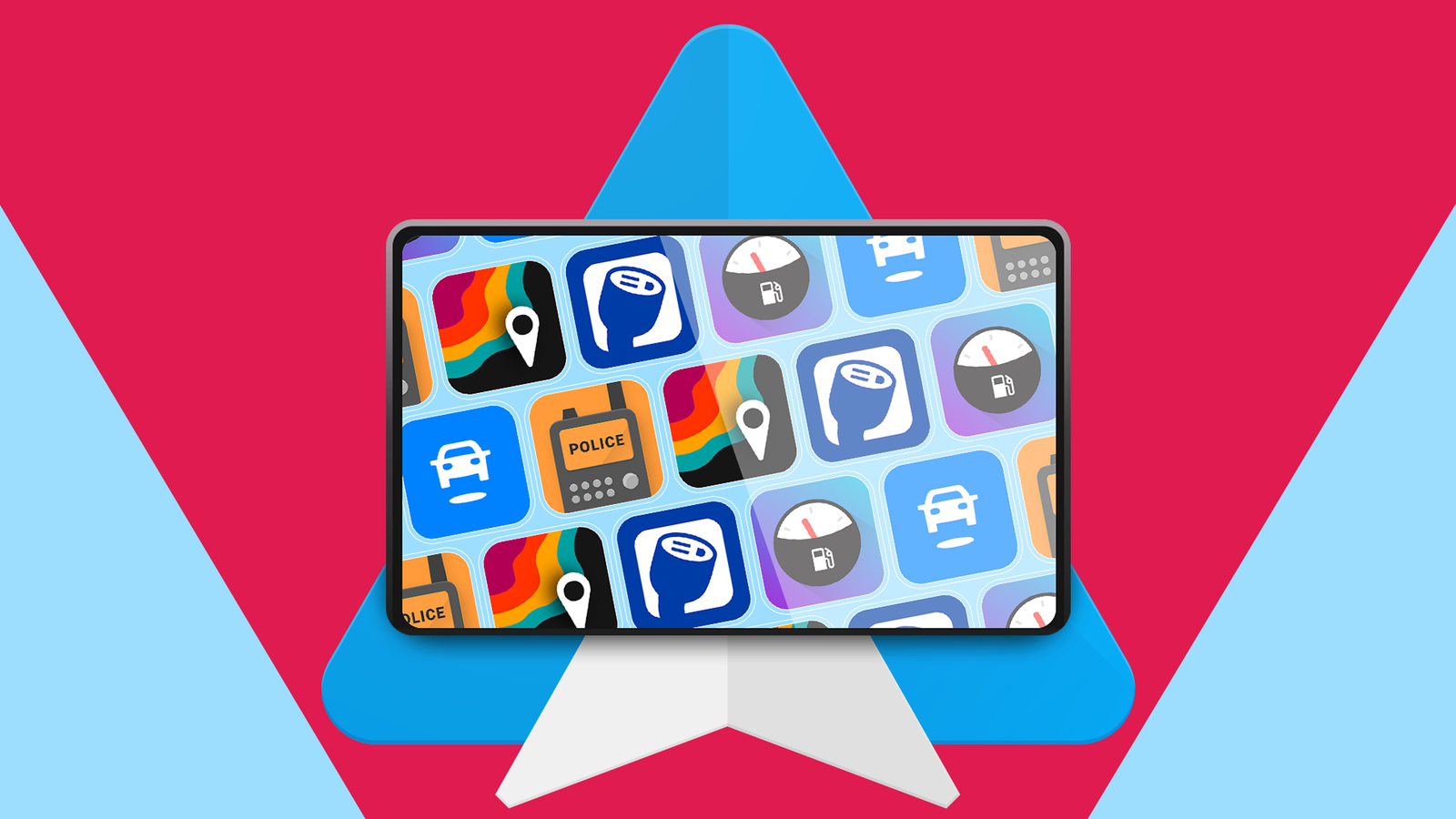
I stopped using Android Auto for just maps and music after finding these 5 apps
Beyond the Basics: The Evolution of the In-Car Experience
For most drivers, Android Auto is a tool for two things: getting from point A to point B and keeping the music playing. While Google Maps and Spotify are the heavy hitters, the real potential of the platform lies in its ability to integrate niche utilities that solve specific, real-world driving frustrations.
The shift is moving away from general-purpose apps toward “hyper-utility” tools. We are seeing a trend where the dashboard becomes a command center for logistics, environmental awareness, and vehicle management, rather than just a mirrored smartphone screen.
From Simple Navigation to Urban Logistics
Navigation is no longer just about the route; it is about the destination’s accessibility. The rise of apps like SpotHero illustrates a trend toward “end-to-end” journey planning. Instead of arriving at a destination only to circle the block for parking, drivers are now booking and paying for spaces in advance.
This integration of financial transactions and real-time availability into the driving interface reduces stress in high-density urban environments. As more cities implement smart-parking infrastructure, we can expect these niche logistics tools to become as standard as the GPS itself.
The Infrastructure Pivot: From Fuel to Electrons
The transition from internal combustion engines (ICE) to electric vehicles (EVs) is fundamentally changing the type of data drivers need on their screens. For years, tools like Fuelio served as the gold standard for petrol and diesel drivers, allowing them to track mileage, log odometer readings, and hunt for the cheapest gas prices.
Now, the focus is shifting toward charging ecosystems. Apps like PlugShare are redefining the “fuel stop” by providing a community-driven database of charging points. The trend here is toward transparency—drivers now rely on user-uploaded photos and reviews to ensure a charger is actually functional before they arrive.
Real-Time Intelligence and Environmental Safety
There is a growing demand for “situational awareness” apps that go beyond standard traffic alerts. Weather integration has evolved from simple temperature readings to advanced radar mapping. Tools like MyRadar, with features such as RouteCast, allow drivers to visualize the weather specifically along their intended path, rather than just at their current location.
Similarly, the integration of public safety feeds via apps like Scanner Radio shows a trend toward community-sourced intelligence. By monitoring police, fire, and weather frequencies, drivers can stay informed about potential traffic build-ups or emergencies in real-time. The ability to receive notifications when a channel hits a high listener threshold (such as 2,500 listeners) provides an early warning system for significant local events.
The Future of the Interface: Seamless Integration
The trajectory of the platform suggests a move toward less friction. We’ve already seen the transition from physical cables to Android Auto Wireless, which uses a combination of Bluetooth and Wi-Fi to mirror the phone interface. This removes the hardware barrier and makes the transition from “phone” to “car” instantaneous.
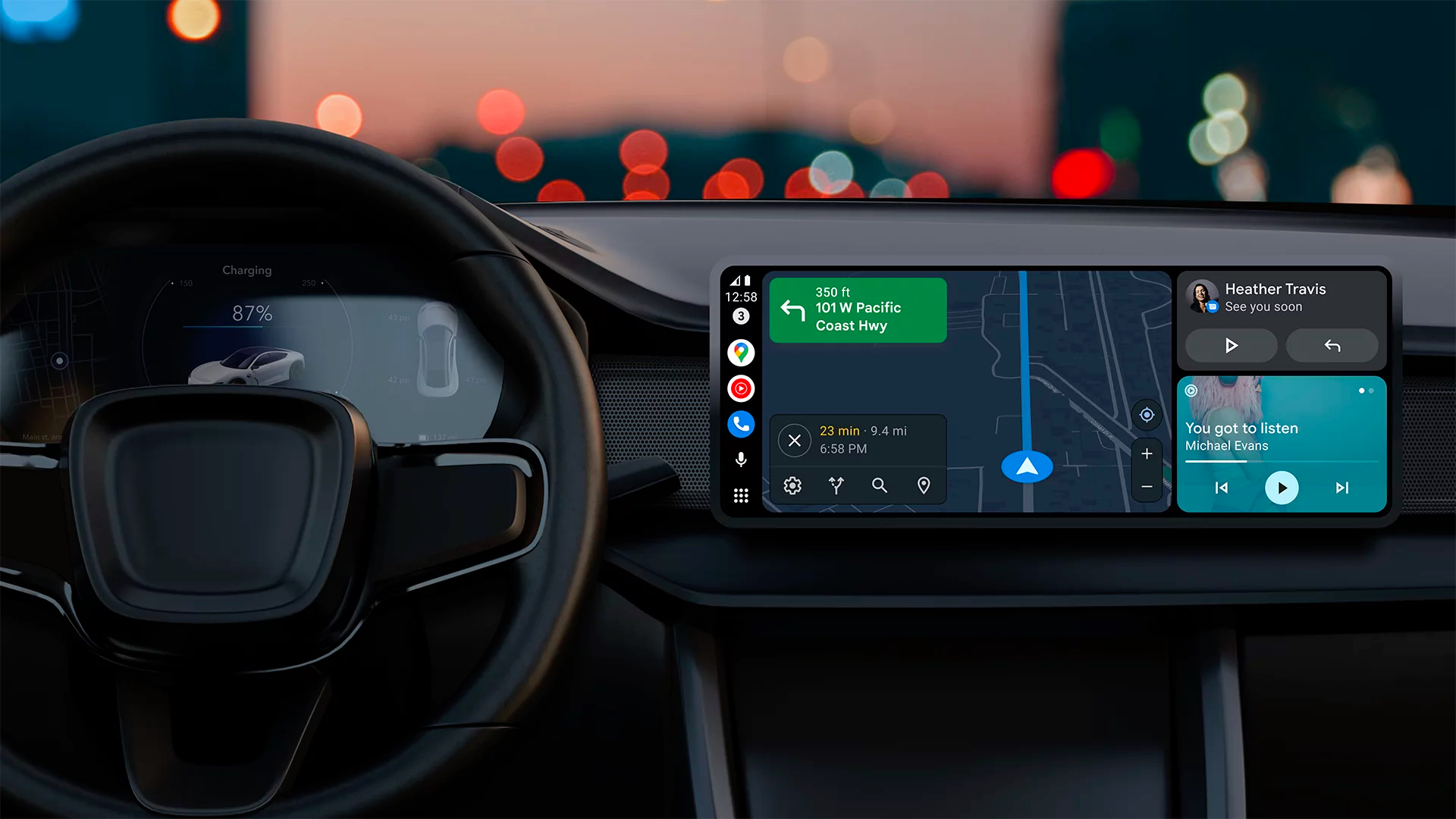
Looking ahead, the trend is toward deeper integration with the vehicle’s own systems. While early versions of the platform focused on mirroring, the future lies in apps that can interact with the car’s telemetry and the external environment to provide proactive suggestions—telling you to fuel up or charge not just because you are low, but because there is a cheap or fast station exactly on your route.
Frequently Asked Questions
What is the minimum Android version required for Android Auto?
Android 6.0 Marshmallow is the minimum version required to run the app, as it provides the necessary permission and notification access features.
How does Android Auto Wireless work?
It uses Bluetooth to initiate the connection and then switches to Wi-Fi to stream the interface to the car’s screen, eliminating the need for a USB cable.
What was the “Coolwalk” update?
Released in 2022, Coolwalk is a major visual redesign that introduced a split-screen layout, allowing multiple apps to be visible at once on wider infotainment screens.
Can I use Waze on Android Auto?
Yes, although Waze was not available at the platform’s initial launch in 2015, it gained official support in 2019.
What niche apps have changed the way you drive? Are you still relying on gas-trackers, or have you moved entirely to EV charging maps? Let us know in the comments below or subscribe to our newsletter for more deep dives into automotive tech.