

Iran Defies EU Sanctions, Vows Control of Strait of Hormuz
Iran has vowed to maintain sovereign control over the Strait of Hormuz, dismissing new European Union sanctions as “fraudulent.” This standoff occurs amid a U.S. naval blockade introduced in April, impacting a waterway that transports one-fifth of the world’s crude oil and currently sees significantly reduced commercial traffic.
Why is the EU sanctioning Iran over the Strait of Hormuz?
The European Union recently imposed sanctions on individuals and entities involved in Tehran’s efforts to establish “sovereignty” over the maritime passage. According to the bloc’s top diplomacy representative, these measures target those restricting maritime traffic in the strait.
The EU asserts that Iran has effectively closed the waterway since the start of the war in February. Iranian Deputy Foreign Minister Kazem Gharibabadi responded on X, calling the move a “hypocritical” political maneuver that holds no value for Iran.
How is the U.S. naval blockade affecting the situation?
The tension is compounded by a U.S. naval blockade of Iranian ports, which was implemented in April. President Donald Trump stated this Monday that the blockade will remain “in full vigor” until a final peace agreement is reached between the two nations.
Trump recently argued that the blockade provides Washington with more influence over Iran than military strikes would. However, Iran’s chief negotiator, Mohammad Bagher Ghalibaf, described the blockade as a “war crime” and a “conspiracy of the enemy,” according to the semi-official Tasnim news agency.
Ghalibaf further claimed the restrictions violate a temporary ceasefire. He stated that Tehran intends to “defeat” the blockade through “comprehensive planning,” attributing recent regional attacks partly to these maritime restrictions.
What may happen next in the Strait of Hormuz?
Future developments may hinge on a proposal mentioned by Majid Shakeri, a member of Iran’s negotiation team. Speaking to the semi-official Fars agency, Shakeri noted that Tehran could issue a 30-day deadline for the reopening of the strait.
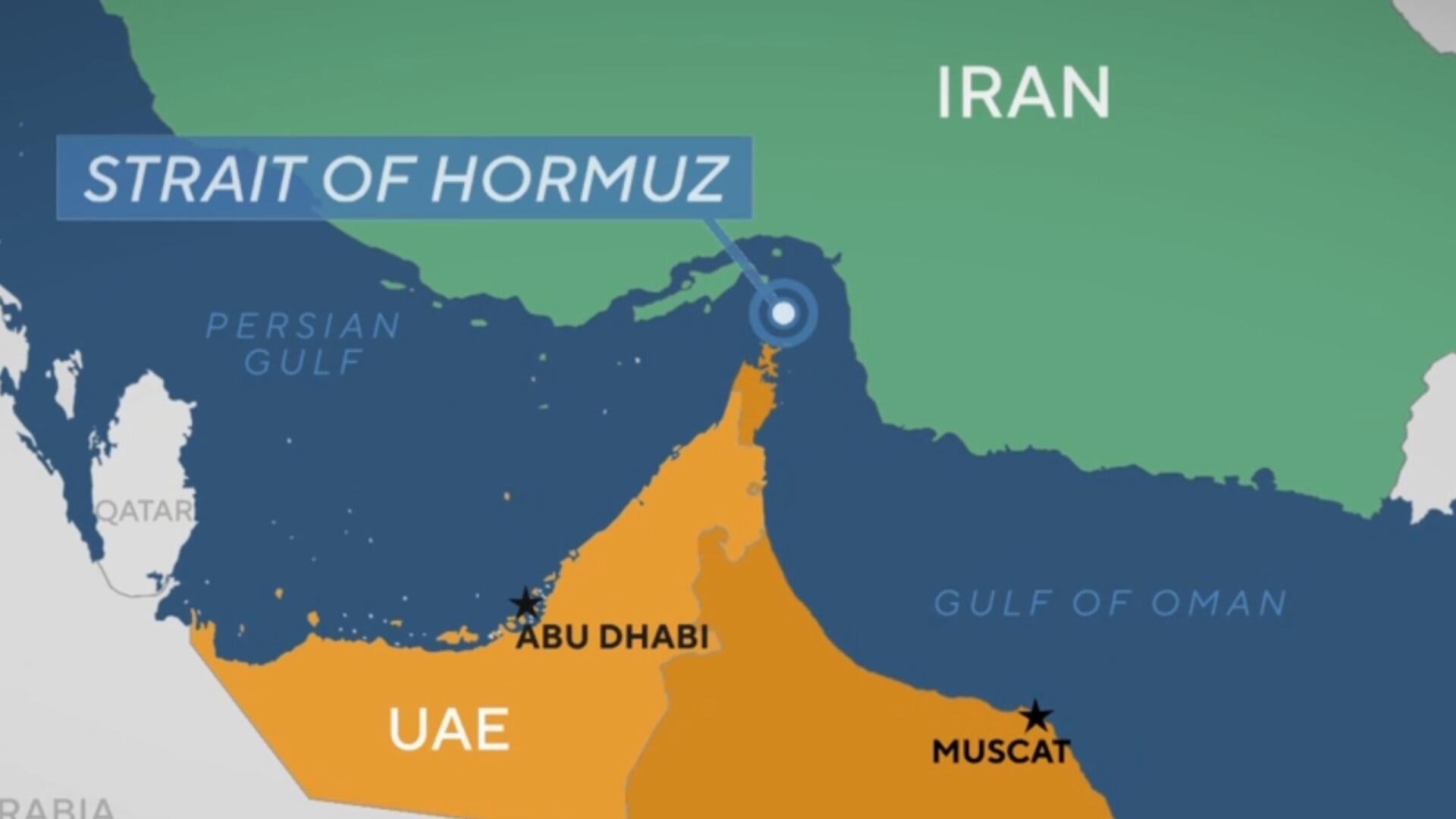
Under this potential scenario, the strait would be reopened under Iranian administration only after all threats from the United States and its allies are removed. This suggests that a resolution may be unlikely unless the U.S. alters its current naval strategy.
Because peace negotiations between the U.S. and Iran remain at an impasse, commercial traffic is likely to remain significantly reduced in the near term.
Frequently Asked Questions
Why did the EU impose new sanctions on Iran?
The EU sanctioned individuals and entities for restricting maritime traffic in the Strait of Hormuz, which the bloc claims Iran has effectively closed since February.
What is the U.S. position on the naval blockade?
President Donald Trump has stated the blockade introduced in April will remain in place until a final peace agreement is achieved, as it provides more influence than military attacks.
What is Iran’s proposed condition for reopening the strait?
According to Majid Shakeri, Iran may propose reopening the strait under its own management 30 days after the U.S. and its allies remove all threats.
Do you believe diplomatic sanctions or naval blockades are more effective in resolving international maritime disputes?