
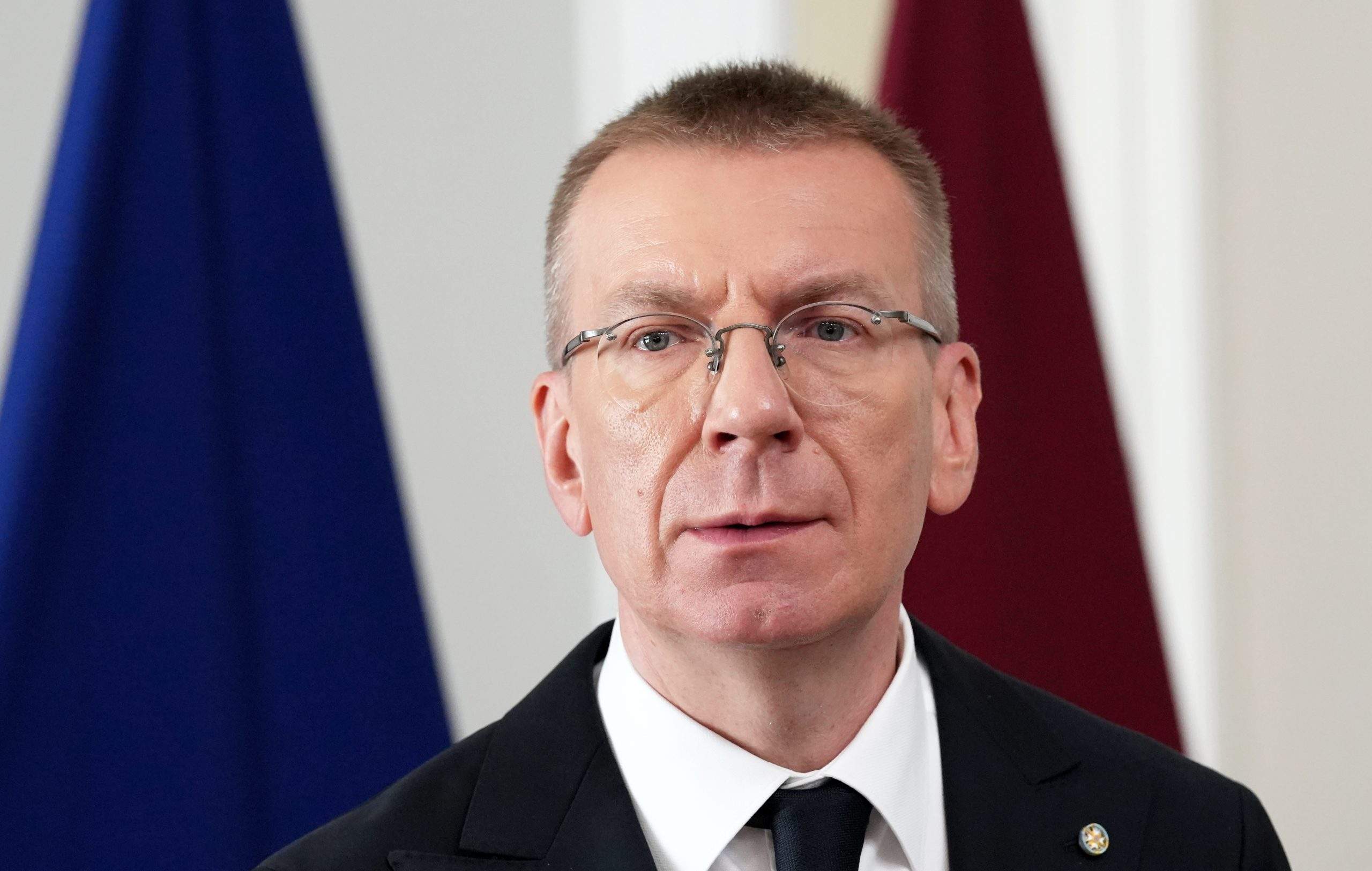
Latvian President Rinkēvičs Warns NATO Must Prepare for Worst-Case Scenarios with Russia
Latvian President Edgars Rinkēvičs has issued a stern call for NATO to prepare for the most severe security scenarios, characterizing Russia as a persistent, unpredictable, and dangerous actor. Speaking on the television programme “On the Record,” Rinkēvičs emphasized that despite ongoing diplomatic efforts to resolve the conflict in Ukraine, the alliance must remain vigilant.
The Stakes of Collective Security
The President clarified that any potential Russian aggression against the Baltic states—Latvia, Lithuania, or Estonia—would not be viewed as a localized conflict. Instead, he asserted that such a move would constitute a direct attack on the entire NATO alliance and the European Union.
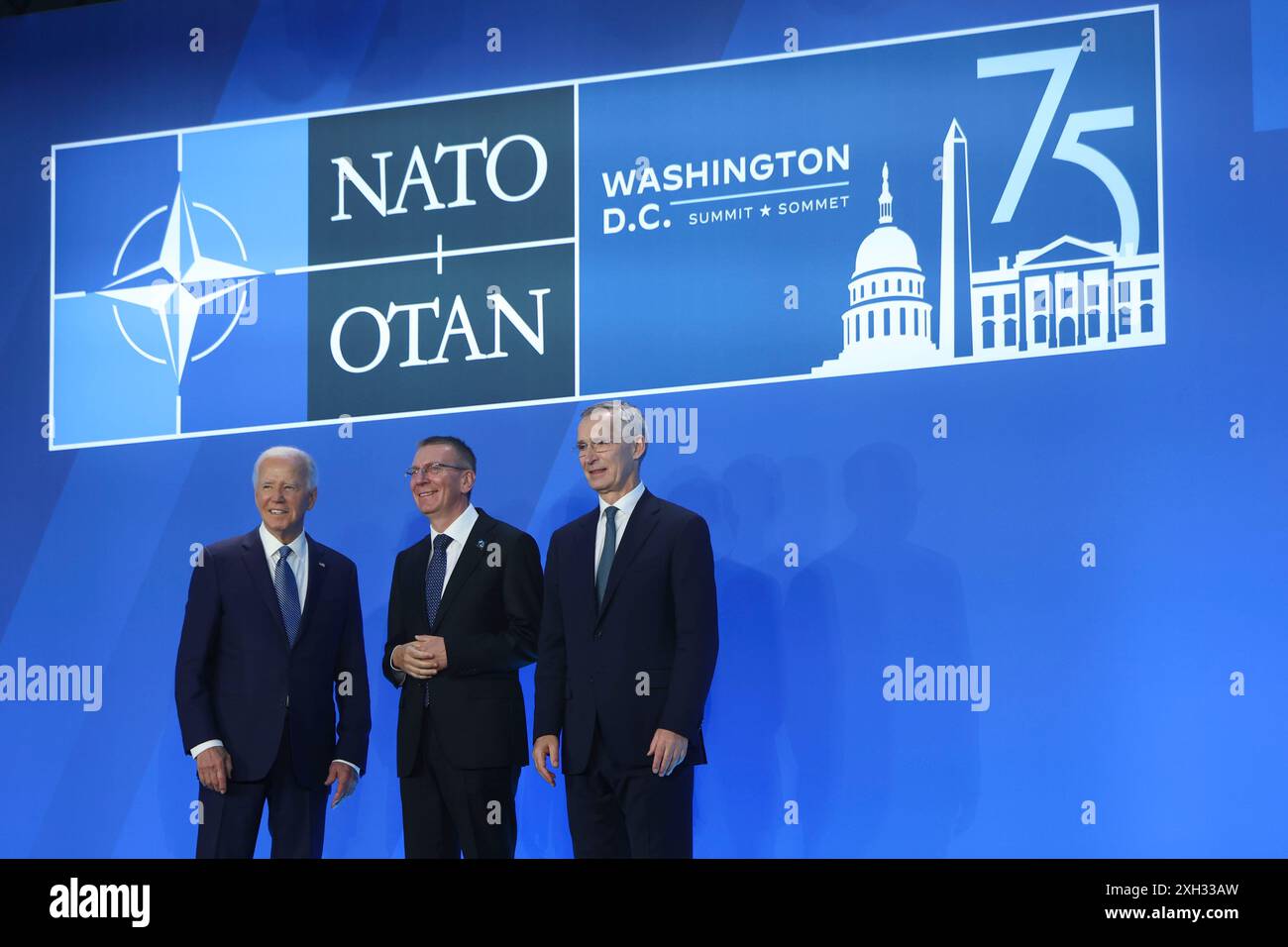
According to Rinkēvičs, the geopolitical architecture is such that a breach of Baltic sovereignty would immediately compel a response from Poland, Germany, the United Kingdom, and all other member states. He maintains that the best deterrent against such aggression is a posture of readiness, noting that the less fear the alliance displays, the more prepared it appears.
Latvia is currently deepening its defense cooperation with Ukraine, specifically focusing on the joint development of drone and anti-drone technologies.
Diplomatic Hurdles and Strategic Realities
Regarding the path to peace, Rinkēvičs commented on recent communications from Ukrainian President Volodymyr Zelenskyy to Russian President Vladimir Putin. While he noted that the letter accurately frames the current reality of the conflict and outlines conditions for a potential ceasefire, he cautioned against expectations of immediate progress.
The President expressed a personal assessment that the Kremlin is not yet prepared to fundamentally alter its behavior or engage in substantive negotiations. He argued that Moscow likely harbors a misconception that it can bypass Ukraine to secure more favorable terms through alternative diplomatic formats, a strategy he views as destined to fail.
The emphasis on defensive readiness signals a shift toward a more integrated European security framework. President Rinkēvičs’ call for increased investment in defense and stronger cooperation between Nordic, Baltic, Polish, and German partners suggests that the future of regional stability may rely heavily on this internal coalition, even while maintaining the indispensable role of the United States.
Future Implications
Looking ahead, the situation remains fluid. Should the economic pressure and domestic dissatisfaction within Russia continue to mount, the Kremlin’s calculus regarding the war could shift. However, until Moscow acknowledges that a military victory is unattainable, meaningful dialogue remains unlikely.
Latvia intends to formalize its defense partnership with Ukraine through a dedicated agreement in the near future. Meanwhile, the broader European strategy is expected to remain focused on continued support for Ukraine and the maintenance of sanctions against Russia to ensure that any future peace process includes the sovereign voice of the Ukrainian state.
Frequently Asked Questions
Why does President Rinkēvičs believe an attack on the Baltics would involve all of NATO?
Because the Baltic states are members of NATO and the European Union, the President views an attack on them as a direct assault on the collective security of the entire alliance, which would trigger a response from all member states, including Poland, Germany, and the UK.

What is the current status of diplomatic talks between Ukraine and Russia?
While President Zelenskyy has extended an offer to resume direct talks, President Rinkēvičs believes that Russia is not yet prepared to change its actions or negotiate in good faith, as the Kremlin may still be seeking alternative, more favorable negotiation formats.
How is Latvia contributing to the defense of Ukraine?
Latvia is actively collaborating with Ukraine on defense technology, with a specific focus on the development of drones and anti-drone systems, and is working toward a formal defense cooperation agreement.
How do you assess the balance between diplomatic negotiation and military deterrence in the current European security climate?