
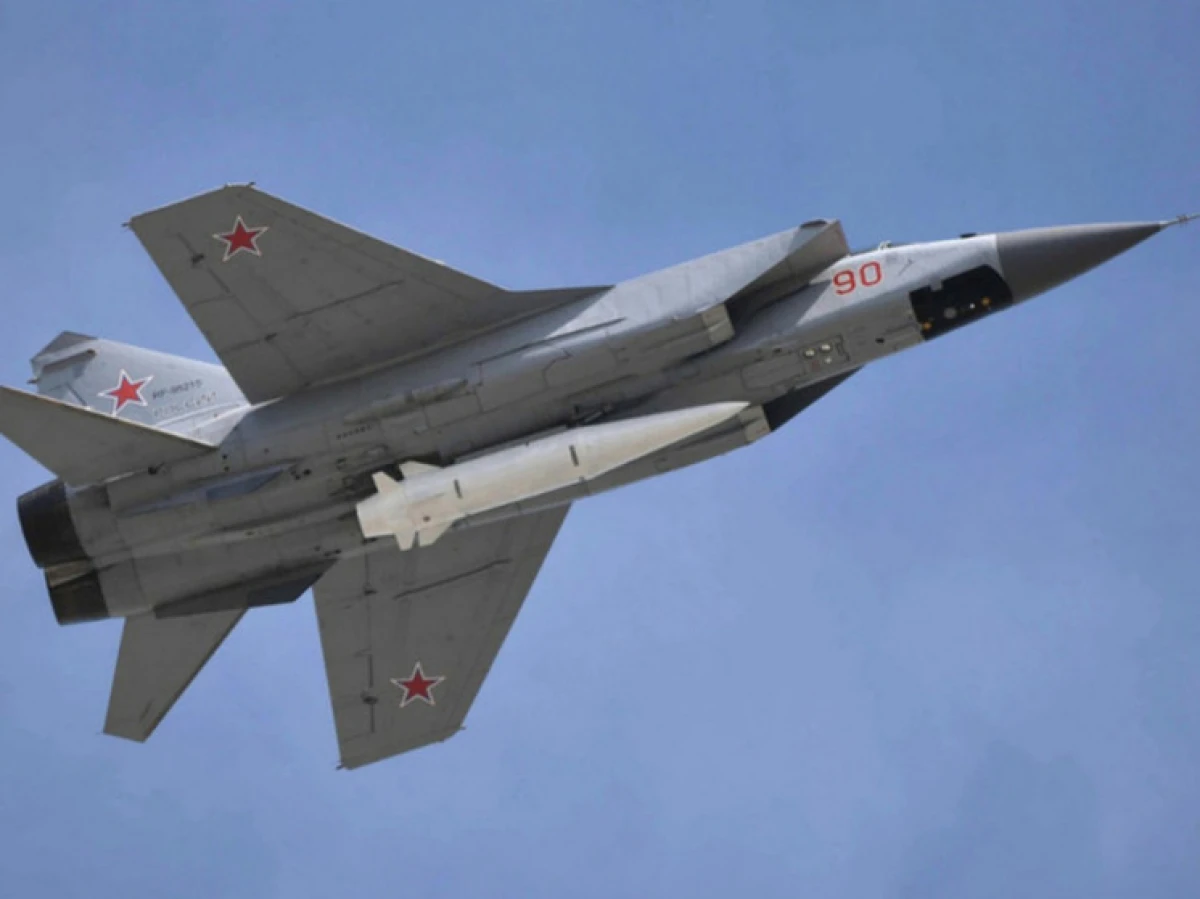
Russia Launches Retaliatory Strikes on Ukrainian Military and Energy Infrastructure
The Evolution of Precision Attrition: How Modern Warfare is Targeting the Heart of Infrastructure
The landscape of modern conflict has shifted. We are no longer seeing battles defined solely by territorial gains or frontline skirmishes. Instead, we are witnessing the rise of “precision attrition”—a strategic approach where the primary targets are not soldiers, but the invisible veins of a nation: its energy grids, fuel depots, and transport hubs.

When military forces target power plants and airfields with long-range precision weapons, they aren’t just trying to disable a specific unit; they are attempting to collapse the logistical ecosystem that allows an army to function. This trend suggests a future where the “home front” and the “battle front” are effectively the same thing.
The Drone Revolution: From Surveillance to Strategic Sabotage
The integration of long-range drones into combined-arms strikes is perhaps the most significant trend in current geopolitical conflicts. We have moved past the era where drones were merely “eyes in the sky.” Today, they are precision delivery systems capable of hitting targets hundreds of miles behind the front lines.
Future trends indicate a move toward AI-driven swarm intelligence. Rather than launching a single expensive cruise missile, military forces are beginning to deploy waves of autonomous drones that can communicate with one another to overwhelm air defence systems. This “saturation” tactic makes traditional radar-based defenses significantly less effective.
For a deeper dive into the technology driving these changes, you might explore our analysis on the rise of autonomous weapon systems or check out the latest reports from the RAND Corporation on asymmetric warfare.
Energy as a Weapon: The New Doctrine of Infrastructure Warfare
Targeting the energy sector is no longer a secondary objective; it has become a primary strategy. By striking electrical substations and fuel storage, an aggressor can freeze troop movements, disable communication networks, and break the morale of the civilian population.
The Shift Toward Decentralized Grids
As a direct response to these trends, we are seeing a global push toward energy decentralization. The “single-point-of-failure” model—where one large power plant feeds an entire region—is becoming a liability. The future of national security now involves “micro-grids” and localized renewable energy sources that can keep critical facilities running even if the main grid is severed.
Logistics: The Invisible Front Line
Military history teaches us that “amateurs study tactics, while professionals study logistics.” The current trend of striking transport infrastructure—bridges, rail hubs, and airfields—highlights a return to this fundamental truth.
The goal is to create logistical bottlenecks. By disrupting the flow of fuel and ammunition, a technologically superior force can be rendered immobile. We are likely to see an increase in “deep strikes” designed to sever the connection between the industrial heartland and the active combat zone.
This strategy forces defenders to spread their resources thin, protecting thousands of miles of rail and road, which in turn creates gaps that can be exploited by ground forces. You can read more about this in our guide on modern supply chain vulnerabilities.
Frequently Asked Questions
Why target energy grids instead of military bases?
Energy grids are “force multipliers.” By disabling power, an attacker simultaneously affects military communications, hospital operations, fuel pumping, and civilian morale, achieving multiple strategic goals with a single strike.
How do drones change the nature of air defence?
Drones are smaller, fly lower, and are cheaper than missiles. This forces defenders to use expensive surface-to-air missiles to shoot down cheap drones, creating an economic drain on the defender’s treasury.
What is “Precision Attrition”?
It is a strategy of wearing down an opponent by systematically destroying high-value, hard-to-replace infrastructure (like specialized transformers or fuel refineries) rather than engaging in large-scale infantry battles.
Join the Conversation
Do you believe that decentralized energy is the only way to survive modern infrastructure warfare? Or is the solution found in more advanced missile defence systems?
Share your thoughts in the comments below or subscribe to our newsletter for weekly deep-dives into global security trends.