

Samsung Electronics and Nvidia Discuss HBM Partnership
Samsung Electronics shares closed at 322,000 KRW on June 9, 2026, following reports from MT Newswires that the company’s memory division head met with Nvidia’s CEO to discuss a High Bandwidth Memory (HBM) partnership. MarketScreener data indicates a potential 28.41% upside, with an average target price of 413,478.89 KRW.
Why is the Samsung-Nvidia HBM partnership significant?
The potential collaboration focuses on High Bandwidth Memory (HBM), the specialized RAM required to power AI accelerators. According to MT Newswires, the head of Samsung’s Memory division and Nvidia’s CEO held discussions to solidify this partnership. This move targets the Device Solutions (DS) segment, where Samsung produces DRAM, NAND flash, and mobile application processors.
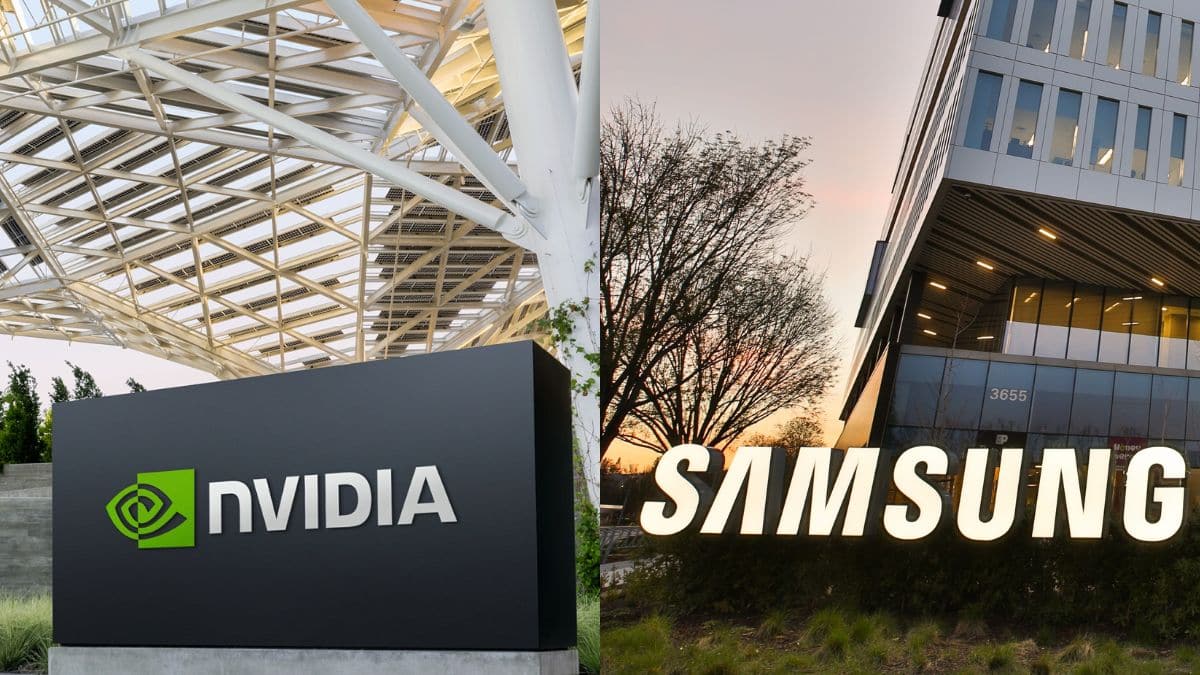
HBM is critical because it allows data to move faster between memory and the GPU. If Samsung secures a primary supplier role for Nvidia, it directly challenges competitors in the AI chip supply chain. This specific partnership is a primary driver for the stock’s recent volatility and growth.
How is Samsung Electronics performing financially?
MarketScreener reports a massive 168.56% increase in share value over the past year. As of June 9, 2026, the stock hit a closing price of 322,000 KRW, marking an 8.97% gain over the last five days. This momentum suggests strong investor confidence in the company’s AI-adjacent hardware.
There is a notable gap between the current price and analyst expectations. The average target price stands at 413,478.89 KRW. This creates a projected growth window of 28.41% from the current closing level.
| Metric | Value (KRW) | Change/Target |
|---|---|---|
| Closing Price (June 9, 2026) | 322,000.00 | +8.97% (5-day) |
| Average Target Price | 413,478.89 | +28.41% Upside |
| 1-Year Performance | — | +168.56% |
What are the core drivers of Samsung’s diversified business?
Samsung operates through four distinct segments to hedge against market volatility. According to company data provided by MT Newswires, the Digital eXperience (DX) segment handles consumer electronics, including smartphones, TVs, refrigerators, and personal computers.
The Samsung Display (SDC) arm specializes in OLED panels for smartphones, while the Harman segment focuses on automotive technology. Harman develops digital cockpits and car audio systems, alongside consumer audio products like soundbars and portable speakers.
How does Samsung compare to its own targets?
The contrast between the current 322,000 KRW price and the 413,478.89 KRW target suggests that analysts believe the market hasn’t fully priced in the HBM partnership with Nvidia. While the one-year growth of 168.56% is aggressive, the target price implies a steady climb rather than a sudden peak.

This valuation is supported by a diversified revenue stream. By balancing high-risk AI memory (DS) with stable consumer electronics (DX) and automotive audio (Harman), Samsung maintains a financial cushion that single-product companies lack.
Frequently Asked Questions
What is the current target price for Samsung Electronics?
The average target price is 413,478.89 KRW, according to MarketScreener data.
Which segments does Samsung operate in?
Samsung operates in Digital eXperience (DX), Device Solutions (DS), Samsung Display (SDC), and Harman.
Why is the Nvidia meeting important?
The meeting between Samsung’s memory head and Nvidia’s CEO focuses on HBM (High Bandwidth Memory) partnerships, which are essential for AI hardware.