

Snowflake Horizon Context: Streamlining Data Governance for AI Workflows
Beyond the Chatbot: Why Metadata is the Secret Sauce for the Next Era of Enterprise AI
For years, the corporate world has treated metadata as the “digital filing cabinet”—something necessary for compliance and IT audits, but rarely a driver of business value. That is changing overnight. As we shift from simple generative AI chatbots to agentic workflows, metadata is evolving from a passive record into the active nervous system of the enterprise.
The recent movement toward integrated context layers, such as those seen in Snowflake’s Horizon Catalog, signals a fundamental shift. We are moving away from asking AI to “find an answer” and toward empowering AI agents to “execute a process.” But for an agent to execute a process, it needs more than just access to data; it needs to understand the meaning of that data.
Closing the ‘Context Gap’ in Agentic AI
The biggest hurdle for Enterprise AI isn’t the size of the Large Language Model (LLM); it’s the “context gap.” An LLM might know how to write SQL code, but it doesn’t know that in your company, “Revenue” is calculated differently in the EMEA region than it is in North America.
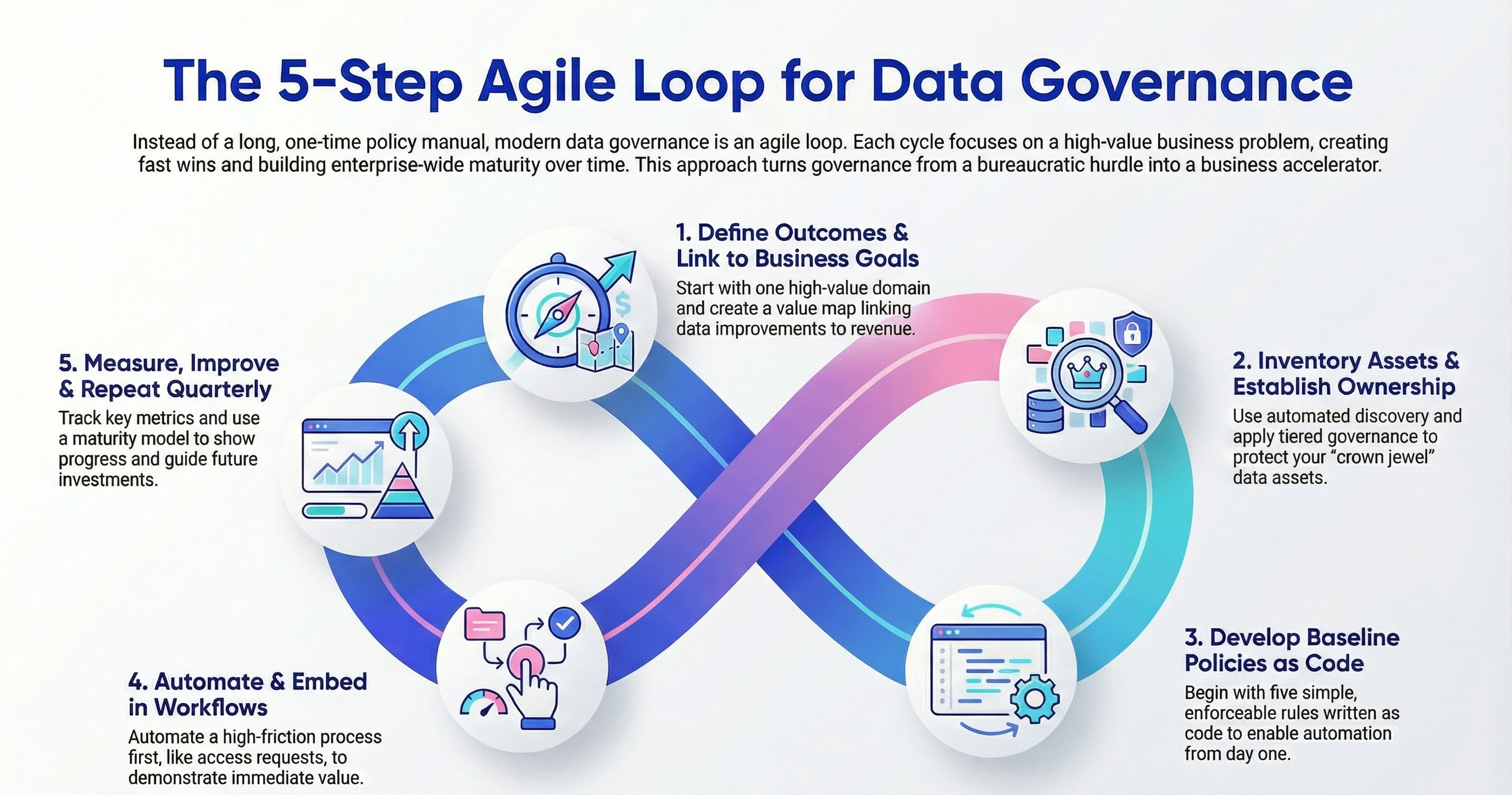
This is where the future of metadata enrichment comes in. We are seeing a trend toward “semantic layers” where business definitions, lineage, and ownership are baked directly into the data estate. When an AI agent is tasked with “reducing operational churn,” it doesn’t just query a table; it consults the metadata to understand which tables are the “golden records” and which are outdated archives.
From RAG to Agentic Reasoners
Most companies currently use Retrieval-Augmented Generation (RAG) to feed documents into an AI. However, the next trend is Agentic RAG. Instead of a linear search, the AI uses a governed map of the data estate to reason through a problem:
- Step 1: Identify the business goal (e.g., “Analyze Q3 dip in sales”).
- Step 2: Use metadata to locate the relevant PostgreSQL databases and Tableau dashboards.
- Step 3: Check permissions to ensure the request complies with GDPR or HIPAA.
- Step 4: Synthesize the data into a strategic recommendation.
The Death of the Data Silo: The Rise of the Unified Fabric
The acquisition of specialized metadata tools—like the integration of Select Star into broader platforms—highlights a critical trend: the end of the “single-vendor” dream. CIOs have realized that data will always live in different places (MySQL, Airflow, dbt, Power BI).
The future isn’t about moving all data into one giant bucket; it’s about creating a unified metadata fabric. This layer sits above the silos, providing a “Google Maps” for the enterprise. If you know exactly where the data is and what it means, it doesn’t matter if it’s sitting in a legacy on-prem server or a modern cloud warehouse.
Governance as an Accelerator, Not a Brake
Historically, data governance was the “Department of No.” It was about locking data down to prevent leaks. In the AI era, governance is becoming a competitive advantage. Governed discovery allows companies to open up their data to AI agents safely.
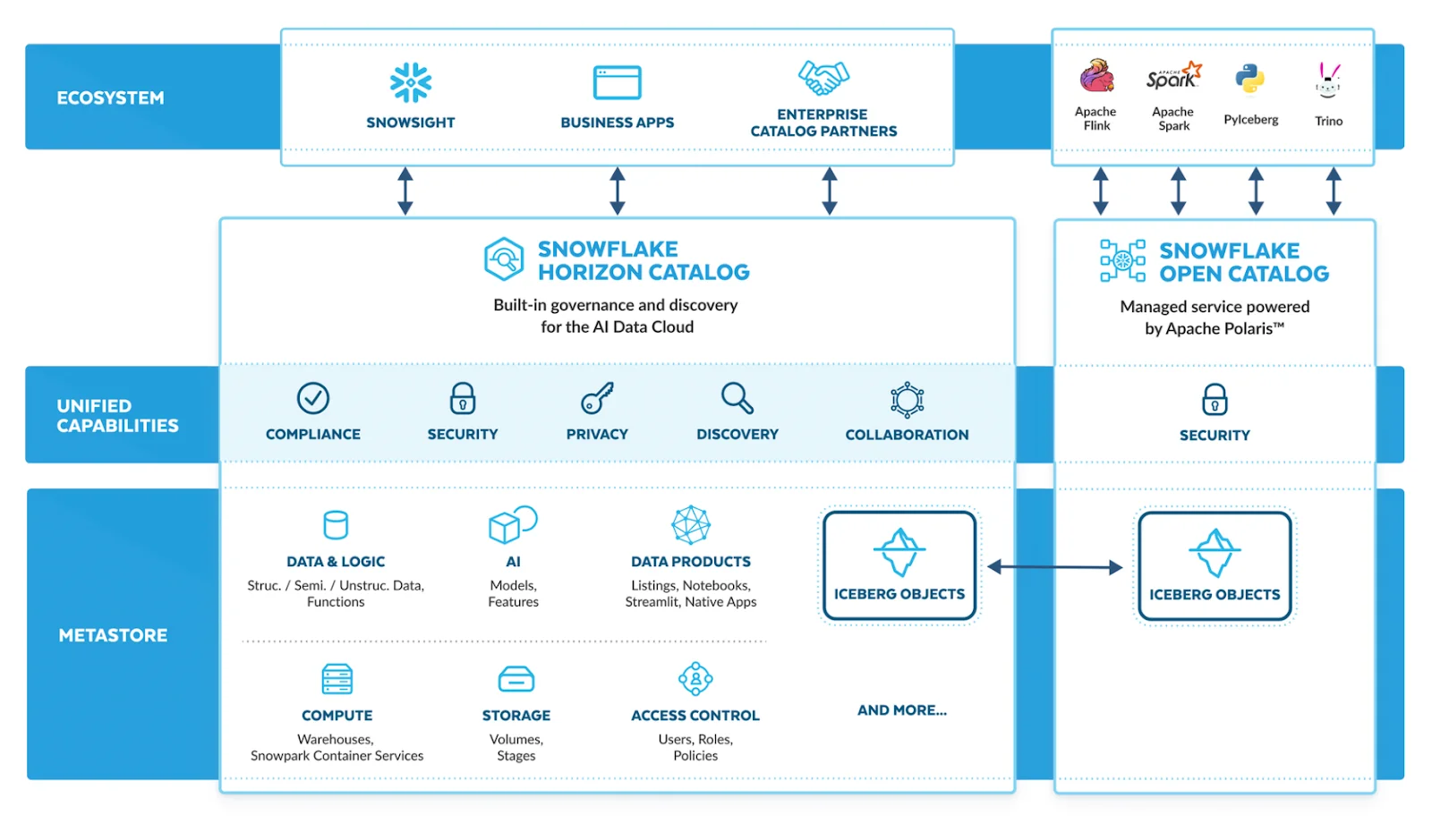
By leveraging automated lineage—knowing exactly where data came from and how it was transformed—companies can implement “trust scores” for AI outputs. If an AI provides a financial forecast, the system can now provide a clickable lineage path showing the exact data sources used, effectively ending the “black box” problem of AI hallucinations.
For more on how to structure your data for the future, check out our guide on Modern Data Architecture or explore the latest standards in Open Group standards for enterprise architecture.
Frequently Asked Questions
Q: What is the difference between a data catalog and a context layer?
A: A data catalog is like a library index (it tells you the book exists). A context layer is like a research assistant who has read the book and can tell you how it relates to your specific project.
Q: Will AI agents replace data engineers?
A: No, but they will change their role. Data engineers will move from manually building pipelines to “curating the context” and managing the metadata frameworks that agents rely on.
Q: How does metadata reduce AI hallucinations?
A: Hallucinations often happen when AI guesses the relationship between two data points. Metadata provides the “ground truth” (e.g., “Column A is a foreign key to Column B”), leaving no room for guesswork.
What’s your take? Is your organization still treating metadata as a chore, or are you building a foundation for AI agents? Let us know in the comments below or subscribe to our newsletter for weekly deep dives into the future of the AI stack.