
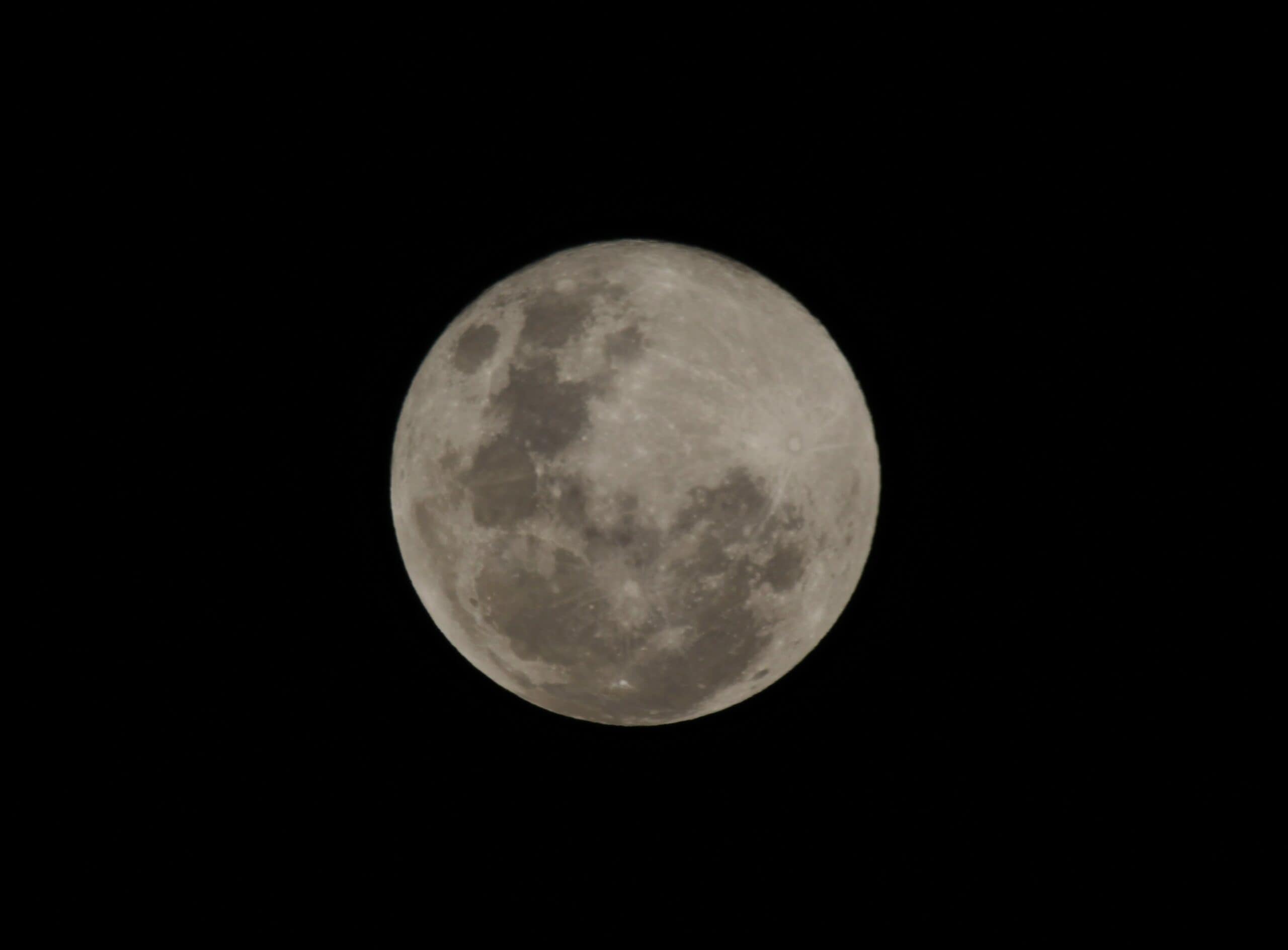
Sunday a ‘once in a blue moon’ moment
Stargazing has evolved from a simple backyard hobby into a global phenomenon, driven by a renewed public fascination with the cosmos. While the “Blue Moon” remains a staple of our lunar calendar, the future of celestial observation is shifting toward high-tech accessibility, citizen science, and a deeper appreciation for our night skies.
The Future of Amateur Astronomy: Beyond the Naked Eye
We are entering a golden age of amateur astronomy. Historically, capturing a crisp image of a lunar event required expensive, bulky equipment and hours of manual calibration. Today, the rise of smart telescopes—which use AI-driven image stacking and GPS-guided alignment—is democratizing the hobby.
According to recent reports from the American Astronomical Society, the hobbyist market is leaning heavily into “connected” observation. This allows users to stream live, high-definition lunar views directly to their smartphones, making space accessible to those living in urban areas with high light pollution.
Pro Tip: If you are planning to photograph a micromoon or a rare lunar event, avoid using your phone’s digital zoom. Instead, invest in a simple smartphone tripod adapter to keep your device steady—this is the secret to sharper lunar photography.
Why We Remain Captivated by the Moon
Beyond the science, the moon holds a unique place in our psychological and cultural makeup. Our language is proof of this: from “shooting for the moon” to being “over the moon,” these idioms persist because the lunar cycle serves as a constant, rhythmic anchor in an increasingly chaotic world.
As we look toward future space exploration, including the Artemis missions, the public’s connection to the moon is shifting from passive observation to active engagement. The next generation of stargazers isn’t just looking at the moon; they are tracking lunar orbiters and planning for the day when human footprints appear on the lunar surface once again.
The Rise of “Astro-Tourism”
Travel trends suggest that “Dark Sky Tourism” is becoming a major industry. Destinations that prioritize low light pollution are seeing a surge in visitors. By preserving the night sky, regions are turning lunar events into economic drivers, hosting “Moon Walks” and guided stargazing nights that turn a quiet evening into a community event.
Did you know? A “Micromoon” occurs when the moon is at its apogee—the point in its orbit farthest from Earth. While it appears about 14% smaller than a supermoon, it offers a distinct, delicate beauty that is often overlooked by casual observers.
Frequently Asked Questions
- What exactly is a Blue Moon?
- A Blue Moon is a calendar phenomenon that occurs when two full moons fall within the same calendar month. It has nothing to do with the actual color of the moon.
- Is a Micromoon dangerous to look at?
- Not at all. Unlike a solar eclipse, looking at any phase of the moon with the naked eye is perfectly safe.
- How can I start stargazing without expensive gear?
- Start with a simple planisphere or a free mobile app like Stellarium. These tools help you identify constellations and lunar phases without needing a telescope.
Join the Conversation
The night sky belongs to everyone, and there is always something new to discover. Whether you are a seasoned photographer or someone who simply enjoys the peace of a moonlit night, we want to hear from you. Have you captured a stunning image of the moon recently? Or perhaps you have a favorite lunar-inspired idiom we missed?

Share your thoughts in the comments below, or tag us in your latest stargazing photos on our Instagram page. Don’t forget to subscribe to our weekly newsletter for more celestial updates and local news.