
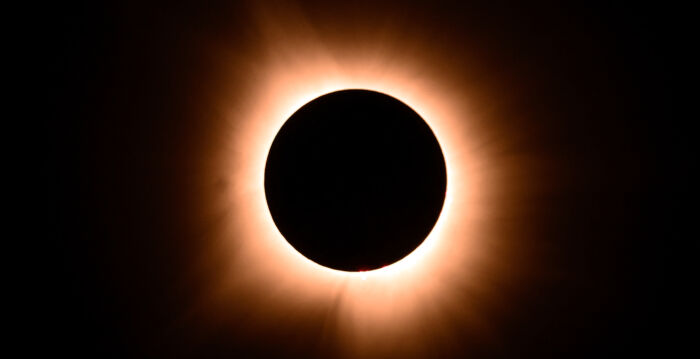
Total Solar Eclipse August 12: Viewing Guide and Safety Tips
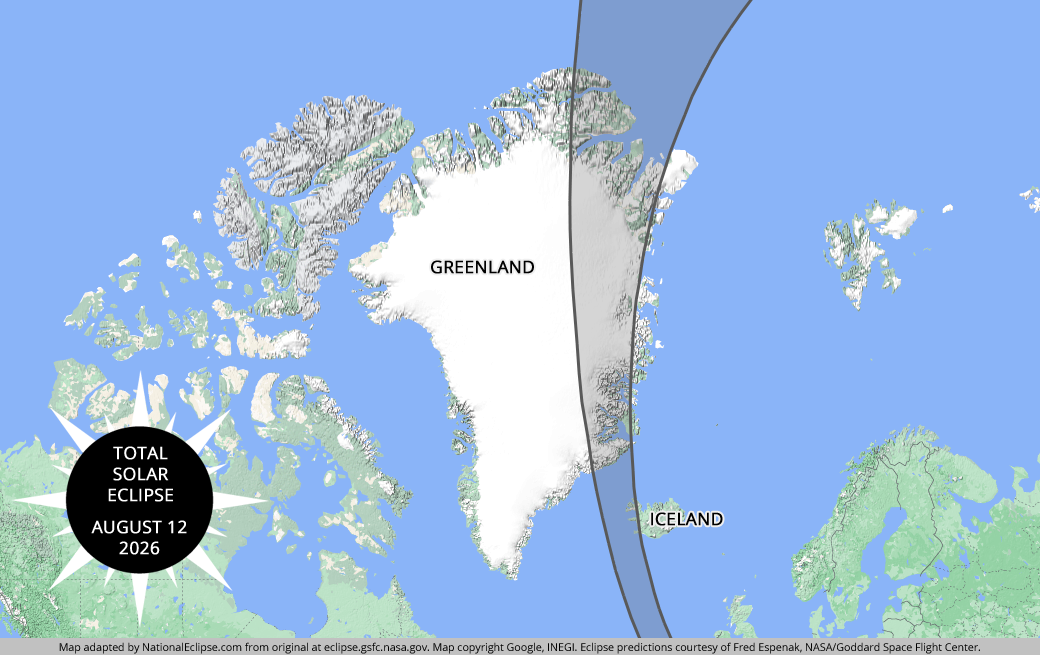
A total solar eclipse will cross Greenland, Iceland, Portugal, and Northern Spain on August 12, 2026, according to NASA and the European Space Agency. The event marks the first time Spain’s mainland has seen a total eclipse since 1905, creating a narrow 8,300-kilometer path of totality across the North Atlantic and Europe.
Where can you see the August 12 solar eclipse?
The path of totality spans approximately 8,300 kilometers (5,157 miles). According to EarthSky, the eclipse begins around 1 p.m. Eastern Time at the Arctic coastline, moving through the Arctic region, Greenland, Iceland, Portugal, and Northern Spain.
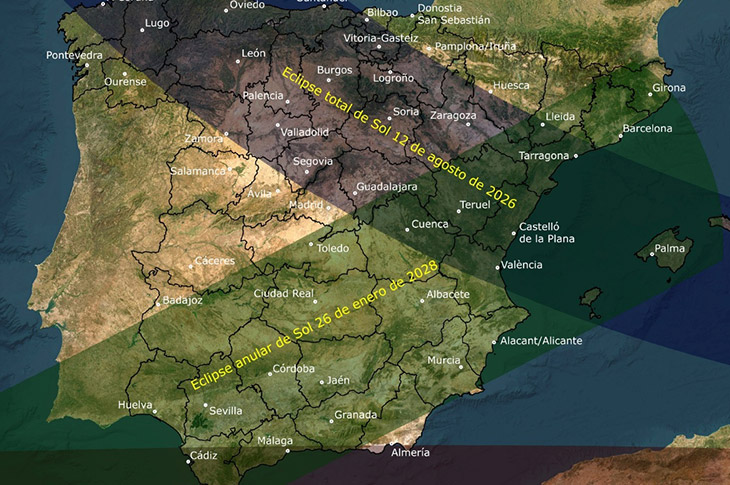
Viewing durations vary by location. Observers in Greenland could see totality for over two minutes, while those in Northern Spain may only experience it for about 20 seconds. The Spanish National Astronomy Committee (NAC) noted that the eclipse will pass over the Balearic Islands and Galicia, accelerating the transition between day and night.
While totality is limited to these areas, partial eclipses may be visible across parts of North America, Africa, and Europe. The European Space Agency (ESA) plans to provide a global livestream from the Teruel Hervás Astrophysical Observatory in Spain.
Why is this eclipse scientifically significant?
Scientists use these events to study the sun and its outer atmosphere, known as the solar corona. During the August eclipse, researchers plan to launch high-altitude balloons to capture images of the moon’s shadow and the eclipse itself.

The NAC’s scientific advisory committee aims to replicate a landmark 1919 experiment. This original study measured how solar gravity bends light from distant stars to confirm Albert Einstein’s general theory of relativity. The ESA stated that such moments connect humanity with the universe and inspire young people to pursue space exploration.
When is the next total solar eclipse?
Following the 2026 event, another total solar eclipse may pass through Southern Spain, North Africa, Saudi Arabia, and Yemen on August 2, 2027, according to NASA.
Observers in the United States will have to wait longer. A total eclipse could be seen in Alaska on March 30, 2033, while the U.S. mainland may not see another until August 22, 2044, specifically in Montana and North Dakota.
A major event is expected on August 12, 2045, which could cross the southern region of the 48 contiguous states. This path may include Florida, Alabama, Mississippi, Arkansas, Oklahoma, Kansas, Colorado, Utah, Nevada, and California.
How to safely watch the eclipse?
NASA warns that looking directly at the sun without professional protection is dangerous at all times, except during the brief window of total eclipse. Once the sun reappears, observers must immediately use certified eclipse glasses or handheld solar viewers.
Standard sunglasses are not a substitute for eclipse glasses, as professional filters are thousands of times darker and meet international standards. Using damaged or scratched equipment is strictly discouraged.
Additionally, viewing the sun through telescopes, binoculars, or cameras without specialized solar filters is unsafe. NASA explains that these optical devices concentrate sunlight, which could penetrate standard filters and cause severe eye damage.
Frequently Asked Questions
Which regions will experience a total solar eclipse on August 12, 2026?
Total solar eclipses will be visible in Greenland, Iceland, Northern Spain, and Northeastern Portugal.
Can I use regular sunglasses to view the eclipse?
No. According to NASA, sunglasses cannot replace certified eclipse glasses or solar viewers because they lack the necessary filter depth required by international standards.
What is the scientific goal of the NAC during this event?
The NAC aims to reproduce a 1919 experiment that measured the bending of light from distant stars by solar gravity to confirm Einstein’s general relativity.
Do you plan to travel to the path of totality, or will you watch the livestream?