

Trump and Netanyahu Clash Over Middle East War Strategy
The alliance between Donald Trump and Benjamin Netanyahu is shifting from unconditional support to a transactional clash. According to reports from Axios, Trump recently called Netanyahu “crazy” during a heated phone call, signaling a deep divide: Trump prioritizes a stable exit strategy focusing on the Strait of Hormuz and nuclear containment, while Netanyahu seeks a total regional realignment to permanently weaken Iran.
Why is the Trump-Netanyahu alliance fracturing?
The friction stems from a fundamental disagreement over the “end game” in the Middle East. For years, the two leaders presented a united front. Now, they are fighting over the exit. Benjamin Netanyahu views the current instability as a rare strategic window. With Iran weakened and Hezbollah under pressure, he wants to push for regime change in Tehran and the complete dismantling of Iran’s nuclear capabilities.
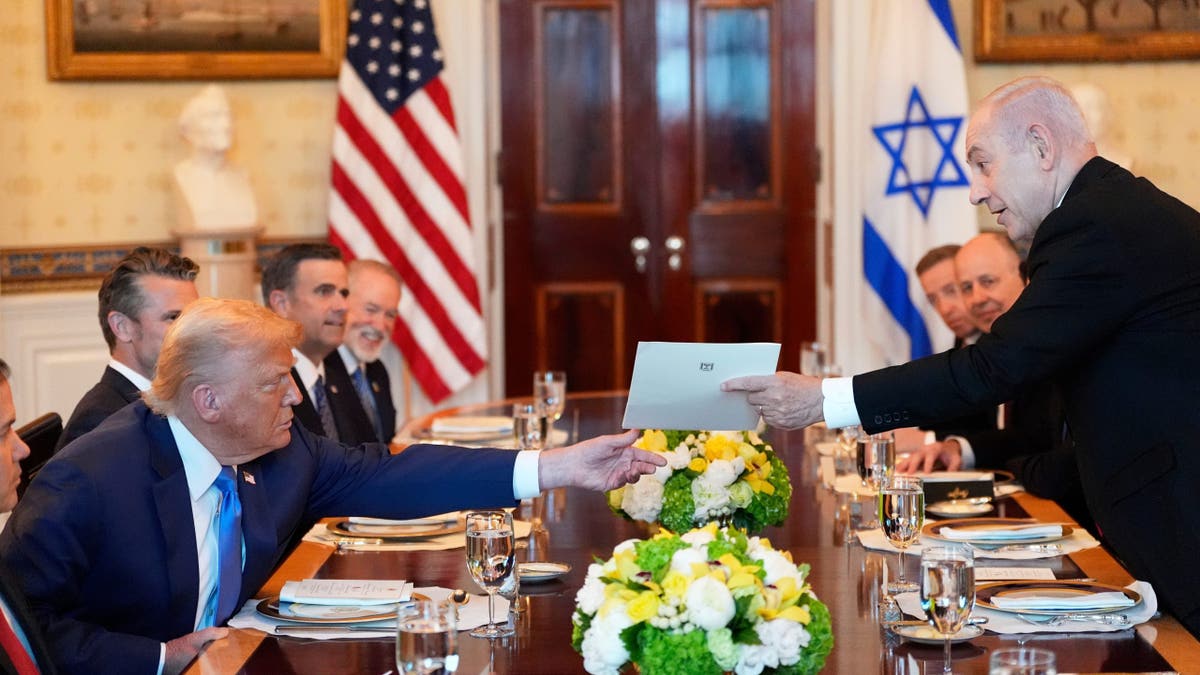
Donald Trump sees it differently. His focus is on American interests and domestic political survival. Trump wants a deal that secures the Strait of Hormuz, ensuring Iran cannot use the waterway as a political weapon to spike global energy prices. According to Axios, Trump’s frustration peaked when Israel continued attacks in the Burj al-Chamali area of Lebanon on June 2, 2026, despite a US-brokered de-escalation agreement.
The tension isn’t just professional; it’s personal. Trump reportedly told Netanyahu that his behavior is the reason “everyone hates Israel” and claimed that Netanyahu would be in prison if not for Trump’s previous interventions. This suggests a relationship that has moved from mutual admiration to a power struggle where Trump feels his diplomatic efforts are being sabotaged.
What happens if Israel sabotages US-Iran negotiations?
The stakes are high. Iran has already threatened to withdraw from negotiations with the US if Israeli attacks in Lebanon don’t stop. If these talks collapse, the risk of a full-scale regional war increases. Trump has already begun bypassing traditional diplomatic channels, claiming he has spoken directly with Hezbollah to secure promises of a ceasefire.
This “lone wolf” diplomacy creates a dangerous vacuum. While Netanyahu focuses on the long-term goal of destroying the Iranian nuclear program, Trump is chasing a robust, short-term agreement. If Netanyahu continues to prioritize his own strategic goals over Washington’s requests, he risks losing his primary security guarantor.
According to reports from AFP and NTB, the current ceasefire is “noisy” and fragile. A single miscalculation in Southern Lebanon could render the US-led talks irrelevant, forcing Trump to choose between his alliance with Israel and his desire to end the conflict.
For more on this, see our analysis on the future of Middle East diplomacy.
How does the US War Powers Act limit the president’s hand?
Trump’s aggression toward Netanyahu isn’t just about diplomacy; it’s about survival in Washington. The political wind in the US has shifted. For the first time in recent months, Democrats have secured a majority for the War Powers Act, gaining critical support from several Republicans who want to limit the president’s ability to engage in military conflicts without Congressional approval.
During a Senate hearing on June 3, 2026, Secretary of State Marco Rubio claimed that Tehran has shown a new willingness to negotiate parts of its nuclear program. However, this optimism is clashing with a growing skepticism in Congress. Trump knows that if he is dragged into a wider war because of Israeli actions, he will face a legislative rebellion at home.
The scolding of Netanyahu is a signal to the US Congress. By publicly distancing himself from Netanyahu’s “crazy” impulses, Trump is attempting to show that he is the adult in the room, seeking peace rather than escalation.
Comparing the Strategic Goals: Trump vs. Netanyahu
| Goal | Donald Trump (USA) | Benjamin Netanyahu (Israel) |
|---|---|---|
| Primary Aim | Stability & Exit Strategy | Regional Power Shift |
| Iran Focus | Nuclear containment & Hormuz access | Regime change & total nuclear destruction |
| Lebanon Approach | Immediate ceasefire via Hezbollah deals | Degrading Hezbollah capabilities |
Frequently Asked Questions
Why did Trump call Netanyahu “crazy”?
According to Axios, Trump was frustrated by Israel’s continued attacks in Lebanon, which he believes are sabotaging his attempts to negotiate a deal with Iran and Hezbollah.
What is the significance of the Strait of Hormuz?
It is a vital maritime chokepoint for global oil. Trump wants to ensure that Iran cannot block this route, as it would cause a global economic crisis and jeopardize US interests.
How is the US Congress reacting to the conflict?
There is growing opposition. A coalition of Democrats and some Republicans have pushed for the War Powers Act to limit the president’s authority to escalate the conflict without legislative approval.
The relationship between the US and Israel remains a cornerstone of Middle Eastern politics, but the era of blank checks is over. As Trump pivots toward a transactional peace and Netanyahu doubles down on a strategic overhaul, the friction between them may become the most volatile element in the region. You can find more official updates at the US Department of State.
Join the conversation in the comments below or subscribe to our newsletter for deep-dive geopolitical analysis delivered to your inbox.