
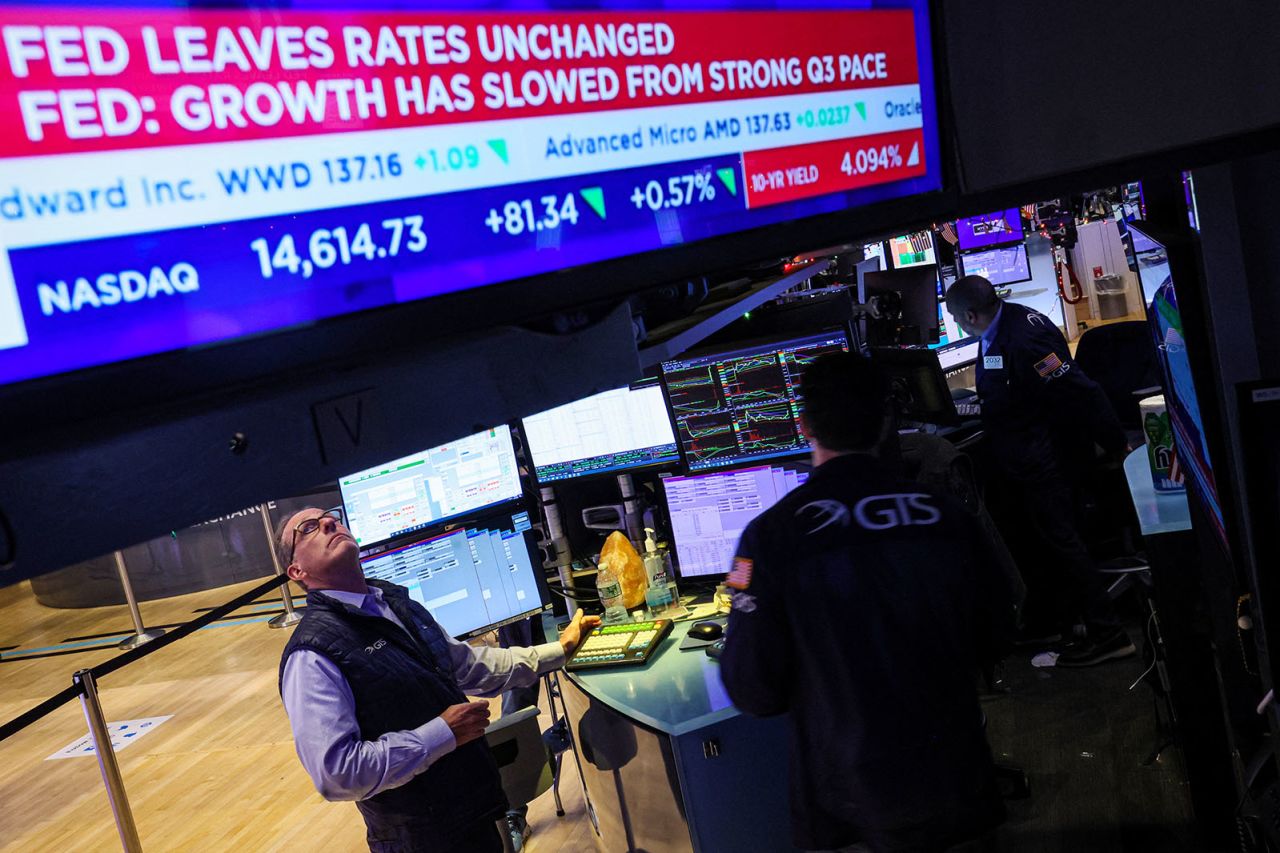
US Stocks Slide as Fed Signals Potential Rate Hikes
The US Federal Reserve, under new chief Kevin Warsh, has signaled that interest rates may remain higher for longer to combat rising inflation, causing the Dow Jones to drop 0.98% and the S&P 500 to slide 1.21%. Market analysts now anticipate a potential rate hike in October as the central bank prioritizes price stability over political pressure for cuts.
Why is the Federal Reserve keeping interest rates high?
Federal Reserve chief Kevin Warsh expects inflation to be significantly higher this year than previous forecasts suggested. According to Thomas Altmann, head of portfolio management at QC Partners, the Fed has explicitly placed price stability at the top of its priority list in its latest policy statement.
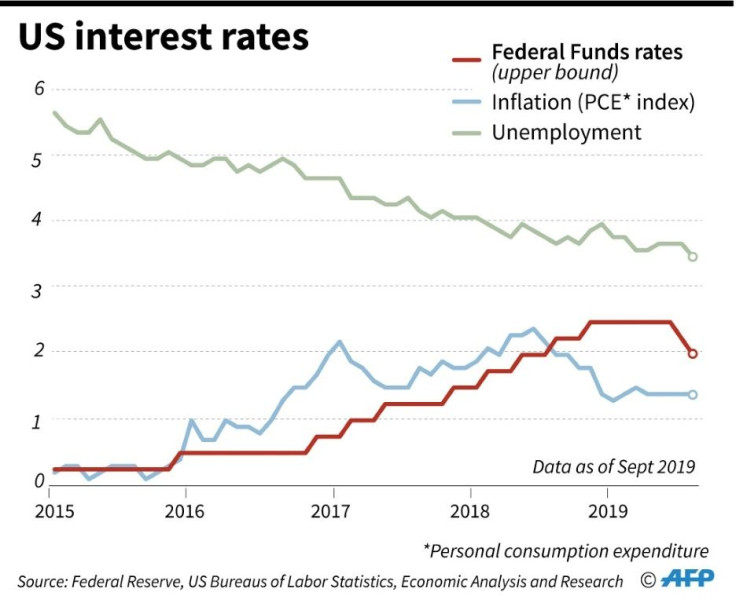
This stance contradicts demands from US President Donald Trump, who has pushed for rate cuts. Instead, the market is now pricing in a realistic possibility of an interest rate increase in October. Altmann suggests investors may have to wait until 2028 before seeing the kind of rate decreases that typically support equities over bonds.
What is the current state of US inflation?
The economic picture is mixed. Thomas Gitzel, chief economist at VP Bank, describes the Fed’s current position as “comfortable.” He notes that oil prices have dropped due to the prospect of an agreement between the US and Iran.
Data from May shows the inflation rate rose to 4.2%, though Gitzel attributes this primarily to higher gasoline prices. He points out that prices excluding energy and food have only increased at an average rate on a month-to-month basis, suggesting that “second-round effects” of inflation have not yet materialized.
Why are semiconductor stocks rising despite higher rates?
Despite the bearish mood regarding interest rates, semiconductor companies saw a recovery. AMD, Micron, Intel, and Marvell Technology all climbed by nearly 4%.
Applied Materials led the gains in the Nasdaq 100, rising 4.4% to nearly $593. This surge followed a move by Citigroup, which raised its price target for the semiconductor equipment manufacturer from $550 to $710.
Is the volatility in SpaceX stock a cause for concern?
SpaceX shares recorded their first losses since Friday’s record-breaking IPO, falling 5% on Wednesday. This follows a volatile debut where shares jumped 19.5% on Monday. Despite the dip, the company maintains a market capitalization of $2.5 trillion, making it the sixth most valuable company globally, trailing slightly behind Amazon.
Michael Monaghan, partner and portfolio manager at Founder Funds, views the current decline as “fuss over nothing.” He argues that a significant, single-day crash would be required before the conversation around the stock’s health changes.
Analysts attribute the swings to a low free float of shares. Furthermore, insider lock-up periods—which prevent early investors from selling—are set to expire in the coming months. This could create additional downward pressure on the stock price as more shares hit the open market.
Market Performance Summary
| Index/Asset | Change | Closing Value |
|---|---|---|
| Dow Jones Industrial | -0.98% | 51,492.55 |
| S&P 500 | -1.21% | 7,420.10 |
| Nasdaq 100 | -0.99% | 29,670.95 |
| SpaceX | -5.00% | $2.5T Market Cap |
Frequently Asked Questions
When will US interest rates likely decrease?
According to Thomas Altmann of QC Partners, investors may not see rates fall enough to strongly support stocks over bonds until 2028.
Why did SpaceX stock drop after its IPO?
The 5% drop is attributed to a low free float of shares and natural correction following a 19.5% surge on Monday.
How is the Iran-US relationship affecting the economy?
Thomas Gitzel of VP Bank notes that the prospect of a deal between the US and Iran has helped lower oil prices, easing some inflationary pressures.
Stay Ahead of the Market
Do you think the Fed is overreacting to inflation, or is Kevin Warsh making the right call? Share your thoughts in the comments below or subscribe to our newsletter for daily financial breakdowns.