
White House Immigration Website Criticized for Misleading Deportation Data
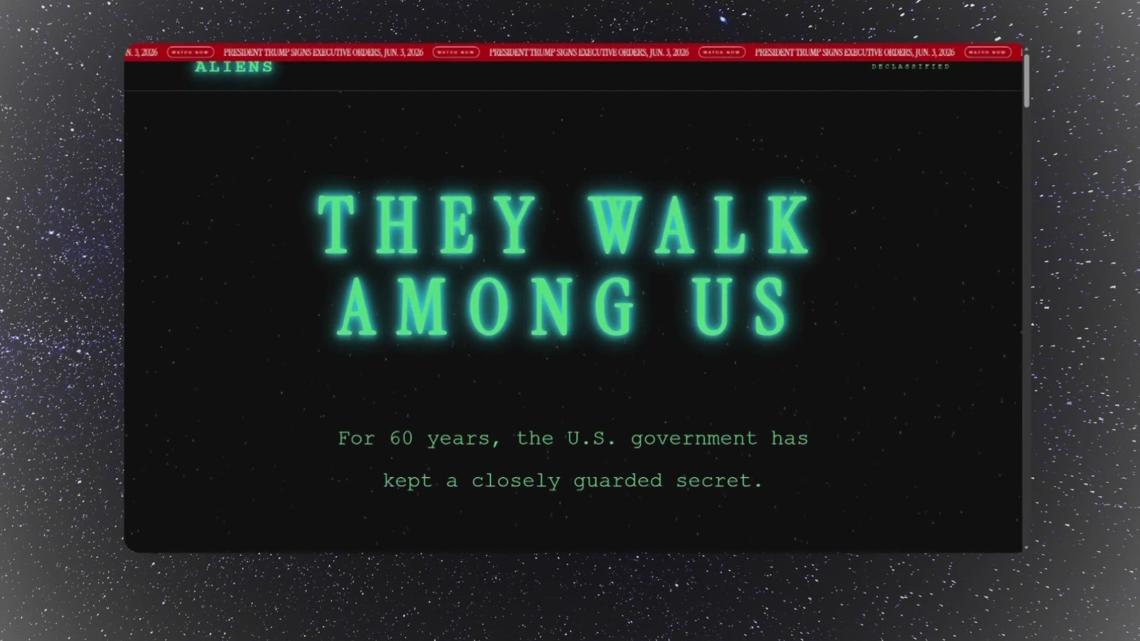
A new White House immigration enforcement website has become the focal point of a growing debate over how federal agencies present data to the public. Featuring an alien-themed design accompanied by music, the site highlights deportation statistics alongside references to criminal offenders and gang members, a presentation that has drawn sharp criticism from legal professionals and community members.
Nikki Ramirez, an Idaho-based immigration attorney, argues that the website’s framing is misleading and contributes to social division. According to Ramirez, the data creates a perception of fear by conflating general deportation figures with criminal activity, even though a significant portion of individuals currently in removal proceedings lack criminal records.
Discrepancies in Enforcement Data
The critique of the website’s methodology draws on real-world observations from recent enforcement actions. Ramirez highlighted an immigration operation in Wilder, Idaho, in October 2025, where federal agents detained hundreds of individuals. While some detainees faced criminal allegations, court records and attorney assessments indicated that many were arrested solely for immigration violations.
Ramirez noted that in her experience with the Wilder cases, the majority of detainees did not possess criminal histories. She suggested that the public data may be skewed by the practice of grouping individuals together based on isolated charges, which she contends obscures the actual composition of those facing deportation.
Implications and Future Outlook
The White House has defended its immigration enforcement efforts in correspondence with local media but has not directly addressed the specific criticisms regarding the website’s data presentation. As the national discourse on immigration policy persists, the dispute over how such information is curated remains a point of contention.
Looking ahead, the controversy could prompt further scrutiny from legal advocacy groups regarding the transparency of government data portals. Sustained pressure from community stakeholders may lead to a reassessment of how enforcement statistics are categorized. Alternatively, the current trend of using thematic, high-visibility digital platforms to communicate policy outcomes may continue, likely keeping the debate over accuracy and intent at the forefront of the immigration conversation.
Frequently Asked Questions
What is the primary concern regarding the White House immigration website?
Critics, including attorney Nikki Ramirez, argue that the website is misleading because it displays deportation statistics alongside references to criminal offenders, which they claim implies that all individuals facing deportation have criminal histories.

What did attorney Nikki Ramirez observe during the October 2025 operation in Wilder?
Ramirez stated that the majority of the detainees she encountered following the operation did not have criminal histories, noting that many were arrested solely for immigration violations.
How has the White House responded to these criticisms?
In an email to local media, the White House defended its immigration enforcement efforts but did not directly address the concerns regarding how the data is presented on the website.
How should government agencies balance the need for public transparency with the potential for creating public misunderstanding through data presentation?