
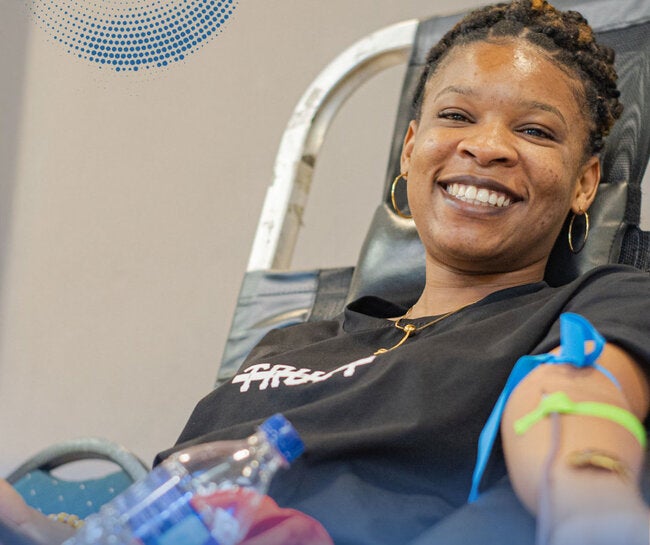
World Blood Donor Day: A Drop of Humanity to Save Lives
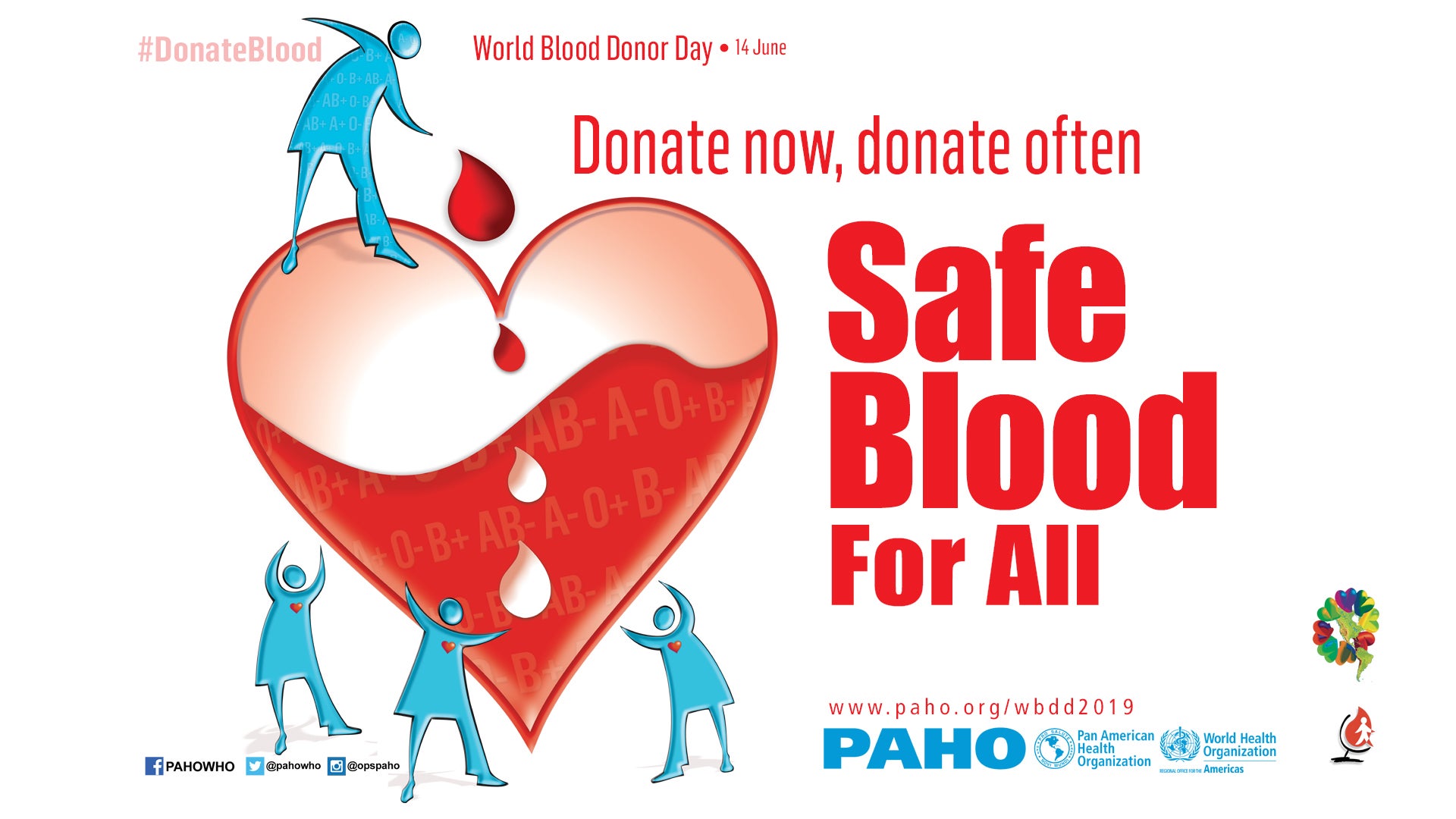
Public health officials are calling for a shift toward voluntary, non-remunerated blood donation to address critical gaps in medical supply chains. According to the Pan American Health Organization (PAHO), only 51.5% of blood donations across the region currently come from voluntary donors, with the remainder relying on family members or replacement donors, a practice that hinders the stability and predictability of healthcare services.
Why Voluntary Donation Matters
The reliance on family or replacement donors creates significant vulnerabilities in healthcare infrastructure. While these donations meet immediate, individual needs during crises or surgeries, they fail to provide the consistent, long-term supply necessary for complex medical procedures, including chronic disease management and emergency care.
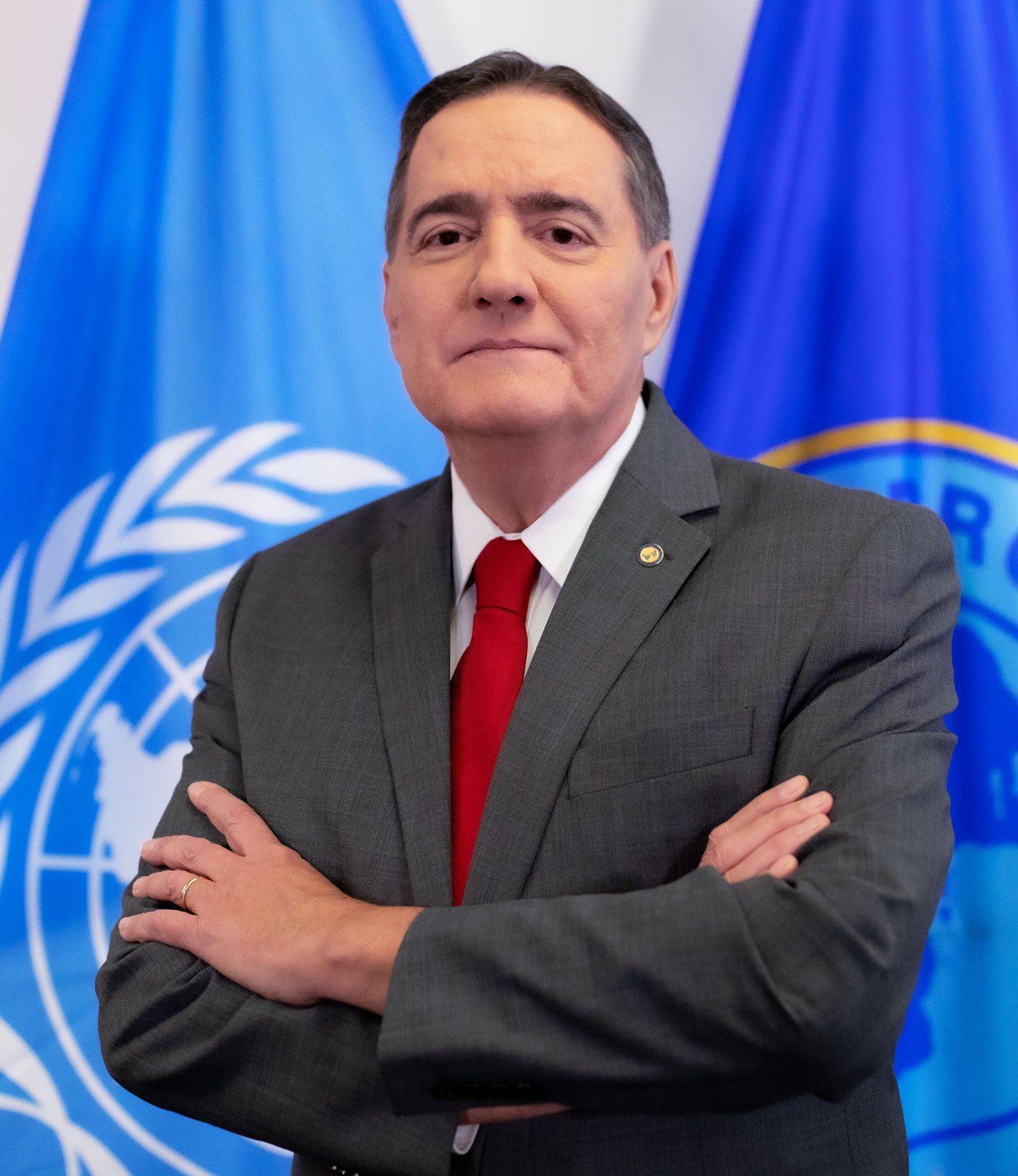
Dr. Jarbas Barbosa, Director of PAHO, emphasizes that equitable access to safe blood is fundamentally tied to a steady base of regular, voluntary donors. Systems that transition away from replacement donors toward voluntary, non-remunerated models often see increased stability, reduced transfusion-related risks, and improved resilience during emergency scenarios or natural disasters.
What Could Happen Next
If national health systems fail to increase voluntary donation rates, they may continue to face significant disparities in blood availability. Analysts expect that countries prioritizing public policies to encourage regular, unpaid donations could see a more predictable supply chain, which is essential for maintaining consistent standards in maternal health and emergency trauma response.
Future progress likely depends on the success of national programs in formalizing these donation strategies. Should these initiatives gain traction, health officials anticipate a reduction in the reliance on ad-hoc, family-sourced blood, potentially leading to safer and more equitable transfusion services across the region.
Frequently Asked Questions
What is the current percentage of voluntary, non-remunerated blood donations?
Currently, approximately 51.5% of blood donations in the region are provided by voluntary, non-remunerated donors.
Why is the current reliance on family donors problematic?
According to PAHO, reliance on family or replacement donors limits the availability of a stable, predictable, and sufficient blood supply, which is necessary for long-term health planning and complex medical treatments.
What is the recommended average for blood donations?
Many countries remain below the level required for self-sufficiency, with the current regional average sitting at about 15 donations per 1,000 inhabitants.
How do you think community-based incentives could improve the consistency of voluntary blood donations in your local area?