

Berlin’s Pokal Disaster: Ex-Pro Torsten Mattuschka Calls Out the City’s Neglect After VSG Altglienicke’s Historic Win
Berlin’s amateur football scene made headlines this week as VSG Altglienicke secured a dramatic victory in the Landespokalfinale, only to face immediate criticism over the state of play in the capital’s stadiums. The fourth-tier club’s triumph—culminating in a 2:1 win over BFC Dynamo—was overshadowed by scathing remarks from their sporting director, Torsten Mattuschka, who called the playing surface at Mommsenstadion in Charlottenburg a “Vollkatastrophe” (“total catastrophe”).
From Jubilation to Outrage: Altglienicke’s Pokal Run and the Stadium Controversy
The road to victory was far from smooth. Altglienicke, representing Berlin’s grassroots football, dominated the first half against Dynamo but left the match tied at 1-1 after 90 minutes, playing down a man for the final stretch. The decisive moment came in the 103rd minute, when Jonas Nietfeld’s header sealed a 2-1 win and sent the crowd of 7,639 into raptures. For Mattuschka, a 45-year-old former professional who played for 1. FC Union and Energie Cottbus, the moment was bittersweet. “Ich bin da oben fast gestorben. Das ist so geil, die Jungs jetzt zu sehen mit diesem Pokal,” he told reporters, describing his emotional reaction from the stands.
Yet the euphoria was quickly tempered by frustration. Mattuschka, who also works as a TV expert for Sky covering 2. Liga matches, reserved his harshest words for the condition of the pitch. “Tag der Amateure trifft es—für die Stadt Berlin,” he said, referencing the annual amateur football day. “Wir repräsentieren die Stadt Berlin. Für beide Vereine geht es um so viel, auch monetär. Dann spielst du auf so einem Acker. Ich muss mich zusammenreißen, da kriege ich echt zu viel. Das ist so bodenlos schlecht von der Stadt Berlin.” His criticism underscored the stakes: participation in the first round of the 2026/27 DFB-Pokal alone brings each of the 64 clubs over 200,000 euros, a significant sum for amateur sides.
The Landespokalfinale took place on what’s known as the “Tag der Amateure,” a day dedicated to celebrating non-professional football in Germany. For Mattuschka, the irony was stark—Berlin, a city proud of its footballing heritage, was failing its own amateur teams by providing substandard facilities. His remarks reflect broader concerns about infrastructure for lower-tier clubs, where financial and logistical support often lags behind professional leagues.
What’s Next for Altglienicke—and Berlin’s Footballing Reputation?
Altglienicke’s victory qualifies them for the first round of the DFB-Pokal, where they could face any of the 64 participating clubs. Mattuschka hinted at a strategic preference: “Es muss nicht immer Bayern sein. Irgendwas Cooles mit Tradition, wo wir vielleicht noch eine kleine Chance haben. Jetzt nicht SV Elversberg.” While the club’s path remains uncertain, the stadium controversy may force Berlin’s authorities to confront long-standing issues. Public outcry over playing conditions could lead to calls for investment in amateur facilities, though no official response has yet been reported.
For now, the focus remains on the upcoming DFB-Pokal draw on June 6. If Altglienicke draws a team with historical significance—or even a modest underdog—they may find themselves in a position to make a statement beyond the pitch. But first, the club must address the immediate challenge: proving they can compete at a higher level, regardless of where they play.
Did You Know? The DFB-Pokal’s first round alone generates over 200,000 euros per participating club—a lifeline for amateur teams like Altglienicke, where budgets are tightly constrained and victories often hinge on community support and volunteer efforts.
Expert Insight: Torsten Mattuschka’s criticism highlights a systemic tension in German football: while professional clubs benefit from state-of-the-art stadiums and sponsorships, amateur sides frequently struggle with crumbling infrastructure. His remarks could catalyze broader scrutiny of Berlin’s commitment to grassroots football, particularly as the city markets itself as a hub for the sport. The stakes aren’t just about one match—they’re about the long-term viability of clubs that form the foundation of the game.
Frequently Asked Questions
[Question 1]
What does Altglienicke’s victory mean for their DFB-Pokal campaign?
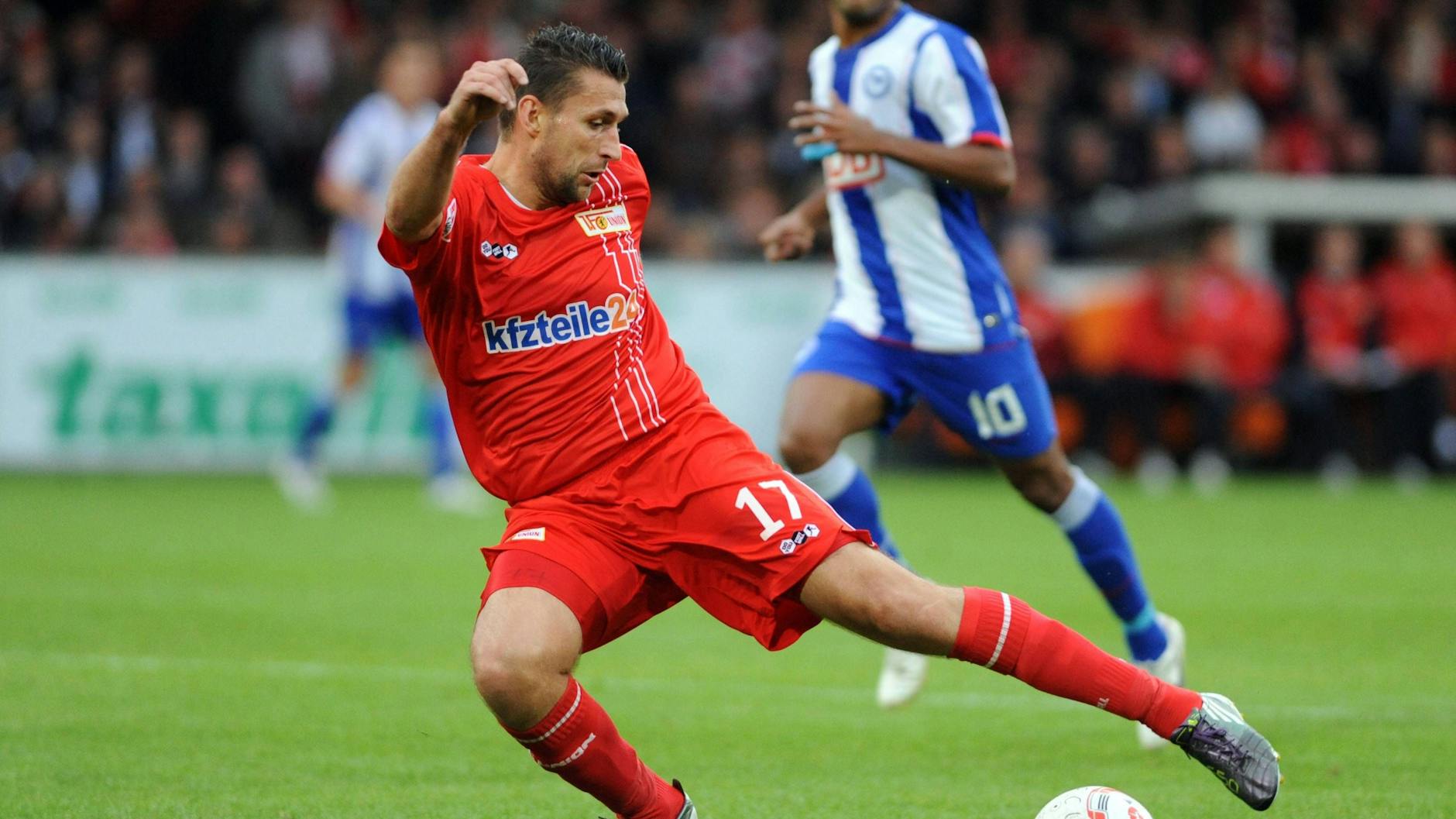
Altglienicke’s win qualifies them for the first round of the 2026/27 DFB-Pokal, where they will compete against one of 64 teams. The club’s path depends entirely on the draw, which takes place on June 6.
[Question 2]
Why did Torsten Mattuschka criticize the playing conditions?
Mattuschka described the pitch at Mommsenstadion as “bodenlos schlecht” (utterly poor), arguing that Berlin—representing the city in the Landespokalfinale—should provide better facilities for amateur clubs, especially given the financial and reputational stakes of such matches.
[Question 3]
How much money does a DFB-Pokal first-round participant receive?
Each of the 64 clubs participating in the first round of the DFB-Pokal receives over 200,000 euros—a significant sum for amateur teams with limited budgets.
As Altglienicke prepares for their next challenge, one question looms: Can Berlin’s footballing infrastructure keep pace with its ambitions—or will amateur clubs continue to bear the brunt of underinvestment?