

From treatment to thriving: Redefining cancer survivorship
The landscape of cancer care is undergoing a fundamental shift as medical advancements allow more patients to live beyond their initial diagnosis. In the United States alone, You’ll see now 18 million cancer survivors, a surge that has necessitated the growth and evolution of specialized survivorship programmes.
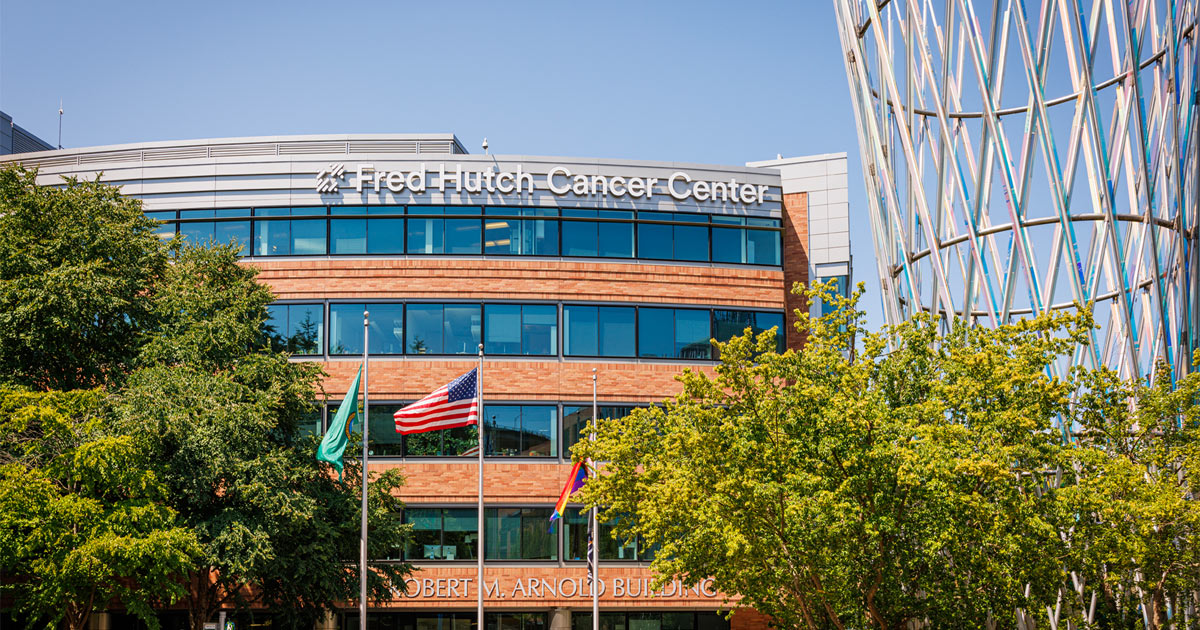
At the Fred Hutch Cancer centre, the focus is expanding to address the complexities of life after cancer. Survivorship is no longer viewed simply as the absence of disease, but as a comprehensive journey of managing the long-term physiological and psychological effects of treatment.
Surviving the Treatment, Not Just the Disease
For many, the challenge of cancer extends far beyond the tumor itself. Patients often describe the experience as “surviving the treatment,” which includes navigating a steep learning curve within the U.S. Healthcare system and managing “financial toxicity” caused by the high cost of care.
The physical toll varies significantly based on the stage of the disease. Early-stage patients may feel healthy during diagnosis but face the counterintuitive challenge of undergoing aggressive treatments, such as mastectomies or chemotherapy, while feeling physically well.
Conversely, those with late-stage or metastatic disease—often referred to as stage 4 or secondary cancer—deal with the daily hardships of cancer-related pain and debilitation alongside their treatment regimens.
The Long-Term Legacy of Cancer Care
Medical professionals are increasingly identifying “late-term” side effects that appear years after active treatment ends. These can include lymphedema—swelling of the limbs caused by the removal of lymph nodes—and “chemo brain,” characterized by cognitive fogginess.

Other significant long-term concerns include cardiotoxicity, where certain chemotherapies impact heart function, and permanent changes such as dry mouth or the sudden onset of menopause due to anti-hormone treatments.
The emotional impact is equally profound. Survivors often face PTSD, the persistent fear of recurrence, and the strain on personal relationships, including the loss of friends or partners who are unable to handle the weight of the diagnosis.
Advancements in Immunotherapy and Personalized Care
The introduction of immunotherapy has provided new hope, particularly for advanced cases. Treatments like Keytruda have shown the ability to cross the blood-brain barrier and are now indicated for over 40 different diagnoses.
However, these new therapies come with their own risks, such as adrenal insufficiency or colitis. Because immunotherapy is relatively new, researchers are still gathering longitudinal data to understand the impacts of these treatments over 10 to 30 years.
A New Model for Survivorship Clinics
New approaches to survivorship care are moving away from seeing patients only after they are “NED” (No Evidence of Disease). Instead, clinics are beginning to integrate survivorship support much earlier, even during active treatment.
This model focuses on meeting patients on their own terms, offering resources for nutrition, exercise, and mental health counseling to help them feel stronger as they begin their journey. At Fred Hutch, this shift has seen internal referrals increase from less than 40% to over 60-70%.
What May Happen Next
The integration of survivorship care is likely to become more systemic. One possible next step is the rollout of survivorship programmes across different “service lines,” or medical specialties.
This process may begin with genitourinary (GU) specialties, such as prostate and bladder cancer, before expanding to other areas. Such a shift could allow survivorship topics to be discussed naturally during routine surveillance, potentially increasing patient confidence and long-term health outcomes.
Frequently Asked Questions
What is the difference between early-stage and late-stage cancer experiences?
Early-stage patients rarely feel sick from the cancer itself and often experience the side effects of the treatment and the PTSD of diagnosis. Late-stage patients deal with the pain and debilitation of the cancer in addition to the side effects of ongoing treatment.
What are some common long-term side effects of cancer treatment?
Long-term effects can include lymphedema, cognitive fogginess (chemo brain), cardiotoxicity affecting the heart, permanent dry mouth, and the loss of libido due to induced menopause.
How is immunotherapy different from traditional chemotherapy?
Immunotherapy harnesses the body’s own immune system to fight cancer. While traditional chemotherapy kills fast-growing cells (leading to hair loss and nausea), immunotherapy can have different side effects, such as colitis or adrenal insufficiency.
How can the healthcare system better support the emotional and financial needs of survivors after their active treatment ends?