
Iran-US Negotiations Linked to Ending War in Lebanon and Iran
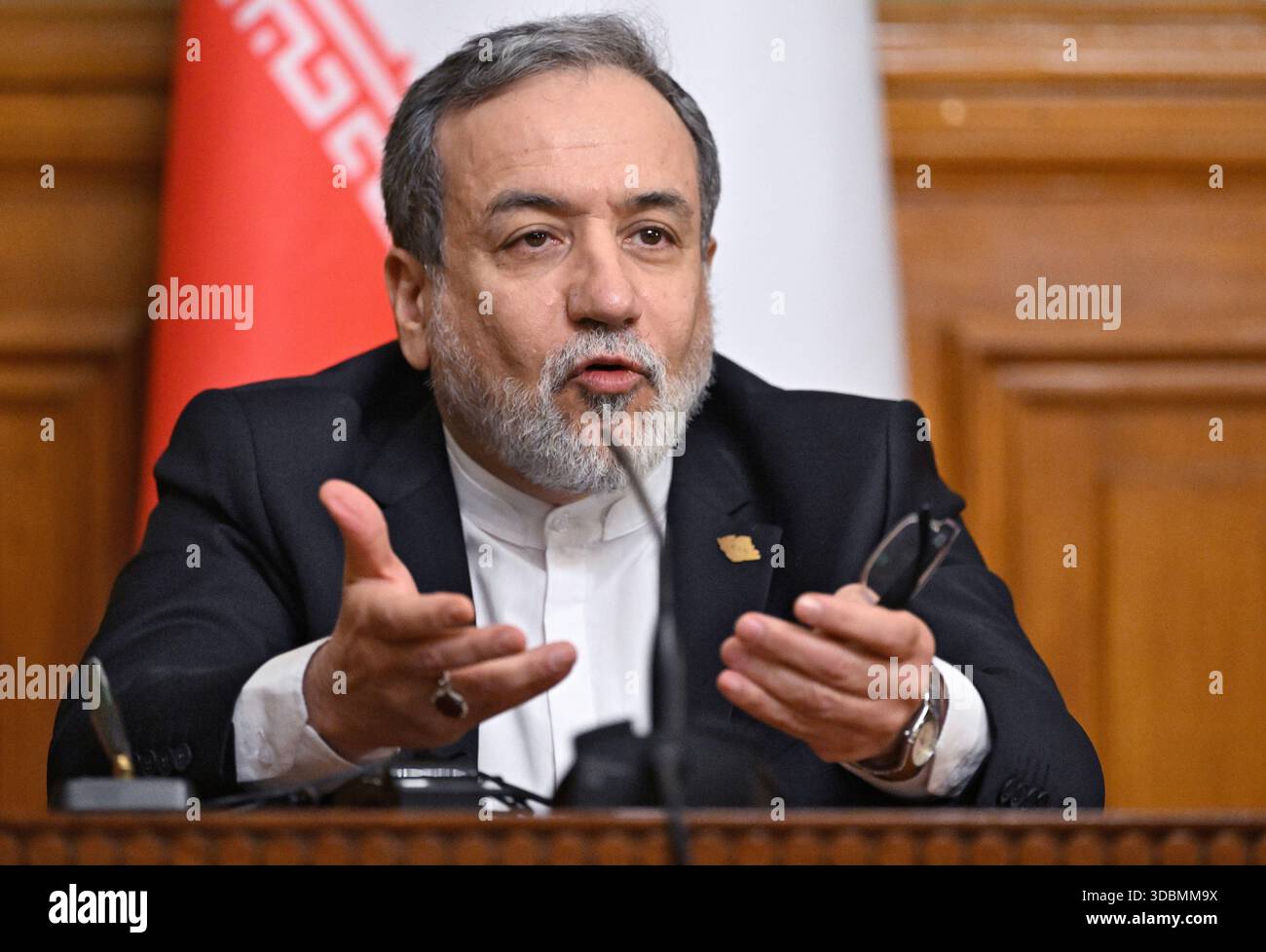
Iran’s Foreign Minister Abbas Araghchi confirmed on June 3, 2026, that no formal negotiation process currently exists between Iran and the United States, though the two countries continue to exchange messages. Araghchi tied the potential resumption of formal talks to the simultaneous end of hostilities in both Iran and Lebanon, stating that conflict will either end or continue in both locations.
Why are Iran and the U.S. exchanging messages without formal talks?
The exchange of messages serves as a diplomatic bridge when formal frameworks have collapsed. According to Foreign Minister Abbas Araghchi, these informal channels remain active despite the lack of a structured negotiation process. This allows both nations to communicate minimum requirements and gauge intentions without the political risk of a formal summit.

Araghchi stated that formal negotiations will only resume if “conditions are conducive.” He specified that any return to the table must align with Iran’s national interests and the rights of the Iranian people.
How does the conflict in Lebanon impact U.S.-Iran diplomacy?
Iran is explicitly linking the security situation in Lebanon to its bilateral relationship with the U.S. Araghchi underscored a “linked-fate” strategy, asserting, “Either the war ends in both places, or it continues in both places.”
This approach transforms the Lebanese conflict from a localized issue into a primary lever for diplomatic negotiations with Washington. By tying the two theaters together, Tehran ensures that any U.S. push for de-escalation in Lebanon must also address Iranian security concerns and interests.
Comparing Formal Negotiations vs. Message Exchange
The current diplomatic state differs significantly from previous eras of formal agreements. While formal negotiations typically involve set agendas, timelines, and public commitments, the current “message exchange” is fluid and non-committal. According to the statements provided by Araghchi, the primary difference is the lack of a “formal process,” which allows both sides to maintain plausible deniability while exploring potential exits from the current conflict.
What happens next for regional stability?
The primary trend is a shift toward synchronized de-escalation. Because Iran has tied the end of the war in Lebanon to the end of the war in Iran, a fragmented peace deal is unlikely. Diplomacy will likely remain in this “message-only” phase until a catalyst changes the “conducive conditions” mentioned by Araghchi.
Analysts of regional security often point to this as a “package deal” strategy. If the U.S. seeks to stabilize Lebanon, it must now account for Iran’s broader demands, or risk the continuation of hostilities across multiple fronts.
Frequently Asked Questions
Are Iran and the U.S. currently in formal talks?
No. Foreign Minister Abbas Araghchi stated there is no formal process, though messages are being exchanged.
What is Iran’s condition for resuming negotiations?
Negotiations will resume if conditions are conducive and are based on Iran’s national interests and the objective of ending the war in both Iran and Lebanon.
What does “linked war” mean in this context?
It refers to Araghchi’s statement that conflict will either end in both Iran and Lebanon or continue in both, meaning one cannot be resolved without the other.
What do you think about the strategy of linking multiple conflicts to a single diplomatic deal? Does this increase the chance of peace or prolong the war? Let us know in the comments below or subscribe to our newsletter for more geopolitical analysis.