
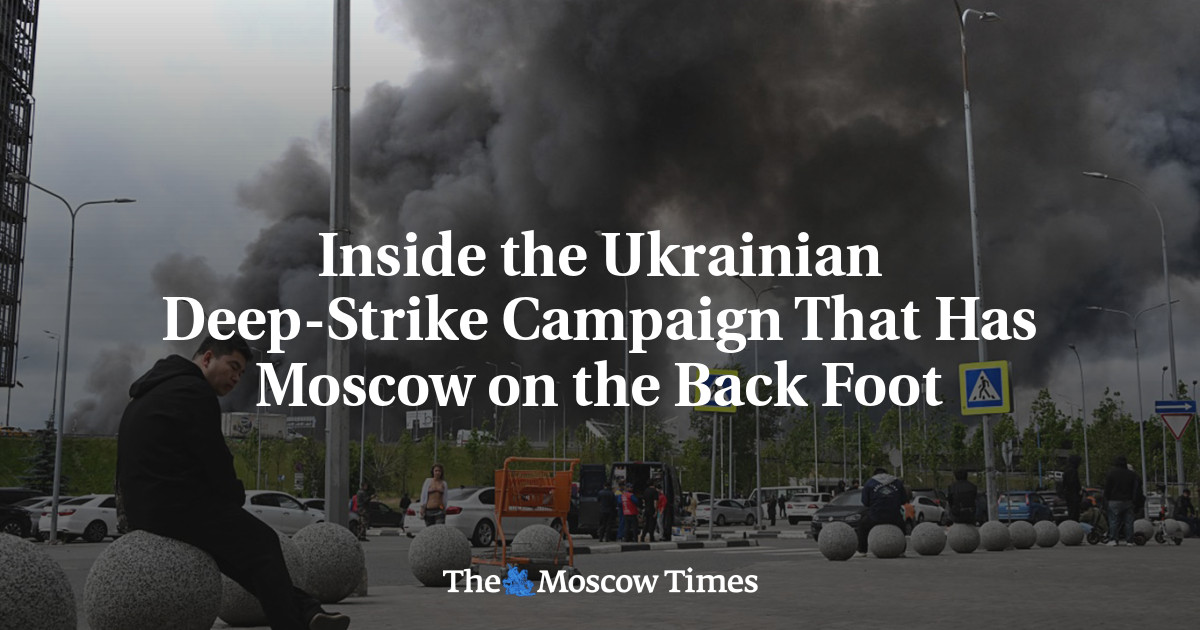
Ukraine’s Deep-Strike Drone Campaign Cripples Russian Infrastructure
Ukraine’s deep-strike drone campaign has expanded to target Russian infrastructure over 1,700 kilometers from the front line, according to The Moscow Times. Data from conflict monitor ACLED shows strikes more than 100 kilometers from the border have more than doubled in a year, specifically targeting oil refineries and drone factories to disrupt Russian energy exports and military production.
Why is Ukraine targeting Russian regions far from the front?
Kyiv is using long-range drones and missiles to shift the cost of the war into the Russian interior. This strategy targets regions previously untouched by combat, including the Ural Mountains and the Caspian Sea coast. In April, drones hit targets in Chelyabinsk and Yekaterinburg, cities located more than 1,700 kilometers from Ukraine.
Samuel Bendett, a drone expert at the Center for Naval Analyses, told The Moscow Times that these operations “bring the war home” in an unprecedented way. President Vladimir Putin recently acknowledged the strategy, stating the strikes aim to inflict economic damage and sow confusion within Russian society.
How are these drone strikes impacting the Russian economy?
The campaign focuses on incapacitating energy infrastructure to drain export revenues. Russia’s oil production declined for six consecutive months as of June, a trend linked to these strikes. Some regions near the front line have also reported acute gas shortages.
Specific targets show the scale of the disruption:
- Ust-Luga Port: March attacks destroyed at least half a dozen storage tanks at a facility exporting 700,000 barrels of oil daily.
- Kapotnya Refinery: Satellite imagery from the EU’s Copernicus program shows at least three oil tanks destroyed in southeast Moscow. Ukraine’s General Staff claims four tanks were knocked out.
- Cheboksary Plant: A facility used for drone components in Chuvashia suffered a partial building collapse in mid-June.
Storage tanks vs. refinery structures
Pasi Paroinen of the Finnish Black Bird Group notes a strategic evolution in target selection. Early strikes primarily hit storage tanks, which Paroinen says usually cause only “temporary disruption of service.” Recent attacks, however, target the refinery structures themselves, which are harder to replace and cause longer-term production losses.
What are the gaps in Russia’s air defense systems?
Russia’s inability to stop these strikes stems from the sheer volume of drones used. City officials reported shooting down nearly 200 drones during a single attack on Moscow, yet several still reached their targets. Paroinen says the intensity of nightly attacks means strategic sites are getting hit repeatedly.
There’s also a critical hardware shortage. Ukrainian officials believe Moscow is running low on S-300 interceptors, the Soviet-era systems designed for missile defense. Bendett suggests the Kremlin is forced to protect a few high-priority locations at the expense of the rest of the country, leaving significant gaps in the national air defense grid.
Which other industrial targets are at risk?
Beyond oil, Ukraine is targeting the military-industrial complex. This includes chemical plants, such as one in the Perm region hit in April, and metallurgical plants in Chelyabinsk. While some attacks produce no visible damage in low-resolution satellite imagery, the operational impact often remains hidden until the facility ceases production.

The New York Times reported that some damage to Russian infrastructure may be accidental, citing analysis that Russian air defenses might have inadvertently hit the Kapotnya refinery while attempting to intercept drones.
Frequently Asked Questions
How far can Ukrainian drones reach?
Ukrainian drones have reached targets more than 1,700 kilometers from the border, including cities like Yekaterinburg and Chelyabinsk.
What is the primary goal of the “deep strike” campaign?
According to analysts and official statements, the goals are to disrupt oil production, destroy military drone components, and create psychological pressure on the Russian population.
How many strikes are occurring?
ACLED data indicates that deep strikes (more than 100km from the border) have more than doubled over the past year, with projections suggesting roughly 800 such strikes by the end of the year.
Do you think long-range strikes will force a change in Russian strategy? Share your thoughts in the comments below or subscribe to our newsletter for more deep-dive analysis.